Art Hodes

Jazz
Smooth Jazz
Classical Crossover
 Viberate Rank: 500203
 Viberate Rank: 500203
 Monthly ListenersFollowers
 Subscribers
 Followers
 Followers
 FansTop Spotify Songs
| Track | 7-Day Streams | |
|---|---|---|
1 | 319 | |
2 | 314 | |
3 | 133 | |
4 | 30 | |
5 | 26 |
Top YouTube VideosMonthly ListenersFeatured in Playlists| Playlist | Followers | |
|---|---|---|
1 |  Haruki Murakami's vinyl collection Masamaro | 109.94K |
2 | Soft Jazz and Blues... or just melting gita1503 | 19.48K |
3 |  The Jazz Clarinet Adam Price | 10.18K |
4 | Haruki Murakami’s Personal Viny Collection Far Out Magazine | 9.44K |
5 |  Haruki Murakami's Personal Jazz Playlist Gonzalo | 9.24K |
Audience| City | Monthly Listeners | |
|---|---|---|
1 |  | 20 |
2 |  | 18 |
3 | | 17 |
4 | | 14 |
5 |  | 13 |
See full performance history, audience data, playlist activity, rankings, comparisons, and more in Viberate music analytics. Start with a free trial, then continue with a paid plan.
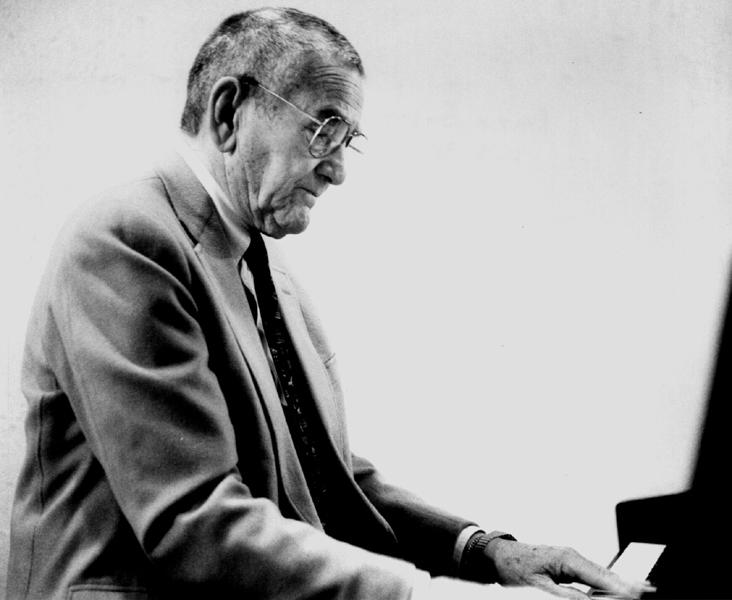
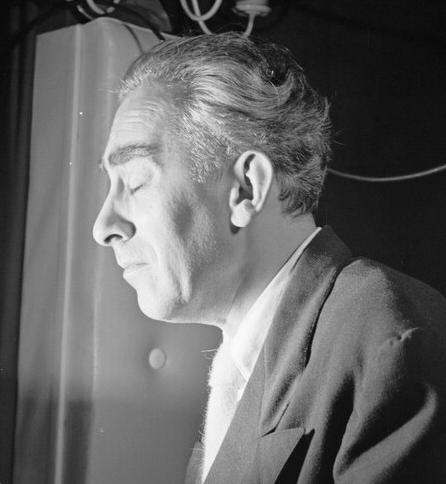
Art Hodes’ Spotify BioThroughout his long career, Art Hodes was a fighter for traditional jazz, whether through his distinctive piano playing, his writings (which included many articles and liner notes), or his work on radio and educational television. Renowned for the feeling he put into blues, Hodes was particularly effective on up-tempo tunes, where his on-the-beat chordings from his left hand could be quite exciting. Born in Russia, he came to America with his family when he was six months old and grew up in Chicago. Hodes had the opportunity to witness Chicago jazz during its prime years in the 1920s, and he learned from other pianists. In 1928, he made his recording debut with Wingy Manone, but spent most of the 1930s in obscurity in Chicago until he moved to New York in 1938. He played with Joe Marsala and Mezz Mezzrow before forming his own band in 1941. Hodes recorded for Solo Art, his Jazz Record label, Signature, Decca, and Black & White during 1939-1942, but he made more of an impression with… his heated Dixieland recordings for Blue Note during 1944-1945 (all of which have been reissued on a Mosaic box set). During 1943-1947, Hodes edited the important magazine the Jazz Record, had a radio show, and became involved in the moldy fig versus bebop wars with Leonard Feather and Barry Ulanov; jazz on a whole lost to the latter. In 1950, he returned to Chicago, where he remained active locally and made occasional records. Hodes hosted a television series, Jazz Alley, for a time in the 1960s, wrote for Downbeat, and was a jazz educator. Art Hodes recorded frequently during the 1970s and '80s, and was widely recognized as one of the last survivors of Chicago jazz. His later recordings were for such labels as Audiophile, Jazzology, Delmark, Storyville, Euphonic, Muse, Parkwood, Candid, and Music & Arts. ~ Scott Yanow, Rovi
Viberate is a music analytics platform built for A&Rs, artist managers, labels, booking agents, marketers, and artists.
It helps music professionals track artist growth, analyze audience data, monitor playlist activity, compare artists, follow song performance, and identify opportunities across the music market.
Public artist pages provide a free preview of selected artist data. Paid plans provide access to deeper analytics, historical data, charts, comparisons, playlist tools, exports, alerts, reports, and additional professional features.
Yes. Public Viberate artist pages provide selected artist analytics and music data for free.
Viberate also offers a 7-day free trial of the full platform. A credit card is required to start the trial. The trial includes access to the complete product so users can test deeper artist analytics, historical views, playlist insights, comparisons, charts, exports, alerts, and reporting features before choosing a paid plan.
Viberate provides artist analytics across streaming, playlists, social media, video, radio airplay, songs, and audience markets.
Users can analyze Spotify performance, Spotify and Apple Music playlists, YouTube activity, TikTok and Instagram growth, radio spins, song performance, audience locations, demographics, rankings, and overall artist momentum.
Artist profiles also connect to music charts, similar artists, and comparison tools, helping users benchmark performance and evaluate artists in context.
Viberate updates key artist and track data daily.
For followed artists and tracks, selected data is refreshed multiple times per day. This helps teams monitor playlist changes, streaming movement, audience growth, releases, and campaign performance with more current data.
Update frequency can vary depending on the metric and data source.
Yes. Viberate lets users compare up to five artists side by side across streaming, social media, audience, and engagement metrics.
Users can compare fanbase growth, audience demographics, locations, Spotify performance, social metrics, and other artist data over selected time periods.
Artist comparison can be used for A&R scouting, benchmarking, booking decisions, campaign planning, and evaluating artists with similar audiences or market positions.