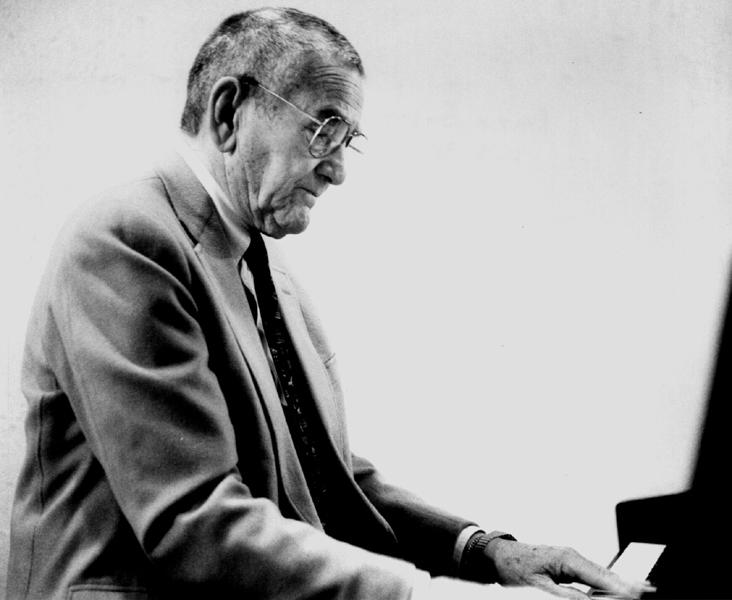
Ralph Sutton

Jazz
Swing
Classical Crossover
 Viberate Rank: 455706
 Viberate Rank: 455706
 Monthly ListenersFollowers
 Subscribers
 Followers
 Followers
 FansTop Spotify Songs
| Track | 7-Day Streams | |
|---|---|---|
1 | 240 | |
2 | 76 | |
3 | 69 | |
4 | 54 | |
5 | 39 |
Top YouTube VideosMonthly ListenersFeatured in Playlists| Playlist | Followers | |
|---|---|---|
1 | Swing Music for Dancers jquinlanspotify | 14.57K |
2 | Radio Swiss Jazz michael8robinson | 8.70K |
3 | Doreen Ketchens Songs Brett Smith | 7.32K |
4 |  WWOZ 90.7 FM (New Orleans Radio) Bryson Whitney | 6.48K |
5 | A Very Jazzy Christmas - Jazz Christmas Daniel Kranich | 3.84K |
Audience| City | Monthly Listeners | |
|---|---|---|
1 |  | 20 |
2 | | 14 |
3 | | 14 |
4 | | 14 |
5 |  | 12 |
See full performance history, audience data, playlist activity, rankings, comparisons, and more in Viberate music analytics. Start with a free trial, then continue with a paid plan.
Ralph Sutton’s Spotify BioRalph Sutton was the greatest stride pianist to emerge since World War II, with his only close competitors being the late Dick Wellstood and the very versatile Dick Hyman. Nearly alone in his generation, Sutton kept alive the piano styles of Fats Waller and James P. Johnson, not as mere museum pieces but as devices for exciting improvisations. Although sticking within the boundaries of his predecessors, Sutton infused the music with his own personality; few could match his powerful left hand. Ralph Sutton played with Jack Teagarden's big band briefly in 1942 before serving in the Army. After World War II he appeared regularly on Rudi Blesh's This Is Jazz radio show and spent eight years as the intermission pianist at Eddie Condon's club, recording frequently. He spent time playing in San Francisco, worked for Bob Scobey, moved to Aspen in the mid-'60s, and became an original member of the World's Greatest Jazz Band with Yank Lawson, Bob Haggart, and Bud Freeman. In the 1970s, he… recorded many exciting albums for the Chaz label and then cut albums for quite a few labels. Despite suffering a stroke in the early '90s, Sutton kept a busy schedule through the mid-'90s, playing at jazz parties and festivals. He died suddenly on December 29, 2001, in his car outside a restaurant in Evergreen, CO. Although he would have received much greater fame if he had been born 20 years earlier and come to maturity during the 1930s rather than the 1950s, at the time of his death it was obvious that Ralph Sutton had earned his place among the top classic jazz pianists of all time. ~ Scott Yanow, Rovi
Viberate is a music analytics platform built for A&Rs, artist managers, labels, booking agents, marketers, and artists.
It helps music professionals track artist growth, analyze audience data, monitor playlist activity, compare artists, follow song performance, and identify opportunities across the music market.
Public artist pages provide a free preview of selected artist data. Paid plans provide access to deeper analytics, historical data, charts, comparisons, playlist tools, exports, alerts, reports, and additional professional features.
Yes. Public Viberate artist pages provide selected artist analytics and music data for free.
Viberate also offers a 7-day free trial of the full platform. A credit card is required to start the trial. The trial includes access to the complete product so users can test deeper artist analytics, historical views, playlist insights, comparisons, charts, exports, alerts, and reporting features before choosing a paid plan.
Viberate provides artist analytics across streaming, playlists, social media, video, radio airplay, songs, and audience markets.
Users can analyze Spotify performance, Spotify and Apple Music playlists, YouTube activity, TikTok and Instagram growth, radio spins, song performance, audience locations, demographics, rankings, and overall artist momentum.
Artist profiles also connect to music charts, similar artists, and comparison tools, helping users benchmark performance and evaluate artists in context.
Viberate updates key artist and track data daily.
For followed artists and tracks, selected data is refreshed multiple times per day. This helps teams monitor playlist changes, streaming movement, audience growth, releases, and campaign performance with more current data.
Update frequency can vary depending on the metric and data source.
Yes. Viberate lets users compare up to five artists side by side across streaming, social media, audience, and engagement metrics.
Users can compare fanbase growth, audience demographics, locations, Spotify performance, social metrics, and other artist data over selected time periods.
Artist comparison can be used for A&R scouting, benchmarking, booking decisions, campaign planning, and evaluating artists with similar audiences or market positions.