Ann Rabson

Blues
Classic Blues
Contemporary Blues
 Viberate Rank: 429707
 Viberate Rank: 429707
 Monthly ListenersFollowers
 Subscribers
 Followers
 Followers
 FansTop Spotify Songs
| Track | 7-Day Streams | |
|---|---|---|
1 | 301 | |
2 | 231 | |
3 | 150 | |
4 | 101 | |
5 | 56 |
Top YouTube VideosMonthly ListenersFeatured in Playlists| Playlist | Followers | |
|---|---|---|
1 |  The Best Female Blues & Jazz Vocals | Don's Tunes Don's Tunes | 14.93K |
2 | PIANO BLUES ... John Firth | 14.83K |
3 |  The Bluest Blues/ Slow Blues/ Late Night/ Romantic Instumental Blues/ Ballads Stefanos Nicolaidis | 7.91K |
4 | Deadwood - Complete Soundtrack Matt Lowden | 5.33K |
5 |  Piano Blues Joar Fosså | 4.87K |
Audience| City | Monthly Listeners | |
|---|---|---|
1 |  | 53 |
2 | | 38 |
3 |  | 32 |
4 |  | 28 |
5 |  | 25 |
See full performance history, audience data, playlist activity, rankings, comparisons, and more in Viberate music analytics. Start with a free trial, then continue with a paid plan.
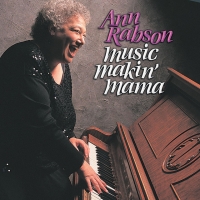
Ann Rabson’s Spotify Bio"Music Makin' Mama" Ann Rabson played a considerable role in helping to revive acoustic blues in the post-Stevie Ray Vaughan era, both as a solo artist and with Saffire -- the Uppity Blues Women, the group she co-founded in 1988. Although she's best known as a boogie-woogie pianist, Rabson worked primarily as a guitarist for the first two decades of her music career, and she boasts the rather unique ability to switch from Chicago barrelhouse piano-pounding to Piedmont fingerpicking at the drop of a hat. Rabson's rootsy approach also draws heavily from the styles of female blues singers of the pre-war era, such as Lucille Bogan, Ida Cox, and Bessie Smith. Like her contemporaries Rory Block and Bonnie Raitt, Rabson ranks as an important modern blueswoman who has brought tremendous crossover appeal to the genre.
Born in New York City in 1945, Rabson grew up in Ohio and started tuning into blues and jazz at a very early age. She picked up guitar at 17, and within a year was playing solo… gigs and honing a repertoire inspired by the likes of Memphis Minnie, Bessie Smith, Tampa Red, and Leroy Carr. In 1971, Rabson moved to Fredericksburg, VA, where she devoted the next seven years to playing music full-time. Though she eventually went back to working a day job (as a computer programmer), Rabson continued to perform and teach guitar lessons through the '80s. Incidentally, it was playing music part-time that allowed Rabson the chance to study piano -- in particular, the boogie-woogie styles of Jimmy Yancey, Meade Lux Lewis, and Amos Milburn.
In 1984, Rabson and one of her guitar students, Gaye Adegbalola, formed Saffire and began performing together around Virginia; they later recruited bassist Earlene Lewis to join the group. By the late '80s, Rabson, Adegbalola, and Lewis had committed to Saffire full-time and were touring regionally. The trio signed with Alligator Records in 1989 (they were the first all-acoustic band to record for the label), and a year later their self-titled debut album became a critical and commercial success. Rabson's composition "Elevator Man" (from Saffire's follow-up album Hot Flash) was nominated for a W.C. Handy Award in 1992 for Song of the Year.
In addition to touring and recording with Saffire, Rabson has continued to work as a solo act and session player. After recording with a number of blues and folk musicians in the 1990s (including Steve James, Deborah Coleman, and Ani DiFranco), Rabson finally released her first solo album in 1997. Music Makin' Mama showcased Rabson's talents in a variety of contexts -- boogie-woogie, R&B, Piedmont blues, and ballads -- and earned her three more Handy Award nominations in 1998. M.C. Records released Rabson's second solo album, Struttin' My Stuff, in September 2000 to critical acclaim. ~ Ken Chang, Rovi
Viberate is a music analytics platform built for A&Rs, artist managers, labels, booking agents, marketers, and artists.
It helps music professionals track artist growth, analyze audience data, monitor playlist activity, compare artists, follow song performance, and identify opportunities across the music market.
Public artist pages provide a free preview of selected artist data. Paid plans provide access to deeper analytics, historical data, charts, comparisons, playlist tools, exports, alerts, reports, and additional professional features.
Yes. Public Viberate artist pages provide selected artist analytics and music data for free.
Viberate also offers a 7-day free trial of the full platform. A credit card is required to start the trial. The trial includes access to the complete product so users can test deeper artist analytics, historical views, playlist insights, comparisons, charts, exports, alerts, and reporting features before choosing a paid plan.
Viberate provides artist analytics across streaming, playlists, social media, video, radio airplay, songs, and audience markets.
Users can analyze Spotify performance, Spotify and Apple Music playlists, YouTube activity, TikTok and Instagram growth, radio spins, song performance, audience locations, demographics, rankings, and overall artist momentum.
Artist profiles also connect to music charts, similar artists, and comparison tools, helping users benchmark performance and evaluate artists in context.
Viberate updates key artist and track data daily.
For followed artists and tracks, selected data is refreshed multiple times per day. This helps teams monitor playlist changes, streaming movement, audience growth, releases, and campaign performance with more current data.
Update frequency can vary depending on the metric and data source.
Yes. Viberate lets users compare up to five artists side by side across streaming, social media, audience, and engagement metrics.
Users can compare fanbase growth, audience demographics, locations, Spotify performance, social metrics, and other artist data over selected time periods.
Artist comparison can be used for A&R scouting, benchmarking, booking decisions, campaign planning, and evaluating artists with similar audiences or market positions.