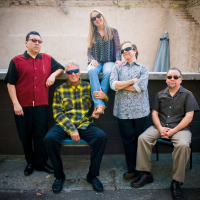
Mitch Woods

Blues
Contemporary Blues
Jazz Fusion
 Viberate Rank: 233008
 Viberate Rank: 233008
 Monthly ListenersFollowers
 Subscribers
 Followers
 Followers
 FansTop Spotify Songs
| Track | 7-Day Streams | |
|---|---|---|
1 | 236 | |
2 | 190 | |
3 | 123 | |
4 | 49 | |
5 | 41 |
Top YouTube VideosMonthly ListenersFeatured in Playlists| Playlist | Followers | |
|---|---|---|
1 |  Slow Blues & Blues Rock | Don's Tunes Don's Tunes | 19.74K |
2 | jazz,funk,soul,blues,afrobeat,latin İlker Özalp | 11.48K |
3 | Best of Rythm and Blues jormanspotify | 10.43K |
4 |  WWOZ 90.7 FM (New Orleans Radio) Bryson Whitney | 6.48K |
5 |  Piano Blues Joar Fosså | 4.87K |
Audience| City | Monthly Listeners | |
|---|---|---|
1 |  | 37 |
2 | | 24 |
3 |  | 24 |
4 |  | 20 |
5 | | 18 |
See full performance history, audience data, playlist activity, rankings, comparisons, and more in Viberate music analytics. Start with a free trial, then continue with a paid plan.
Mitch Woods’ Spotify BioDubbing his swinging approach "rock-a-boogie," pianist Mitch Woods & His Rocket 88's have revived the jump blues approach of the '40s and '50s. Originally from Brooklyn, New York, Mitch Woods moved to San Francisco in 1970. While he was growing up in Brooklyn, he studied both jazz and classical music, but when he relocated to the Bay Area, he primarily played jump blues and R&B. San Francisco guitarist Hi Tide Harris introduced Woods to the joyous jive of Louis Jordan, and the pianist's musical tastes were transformed. Between 1970 and 1980, Woods performed as a solo artist, gigging at a number of local clubs. In 1980, he formed the Rocket 88's, featuring Harris on guitar, and four years later, the band released its debut album, Steady Date, on Blind Pig. The album led to concerts at national blues clubs and festivals, as well as several European dates in 1987. In 1988, Woods & His Rocket 88's released their second album, Mr. Boogie's Back in Town, and embarked on another round of… shows in the U.S., Canada, and Europe. Three years later, their third album, Solid Gold Cadillac, appeared. Woods & His Rocket 88's continued to tour and perform in the '90s, releasing their fourth album, Shakin' the Shack, in 1993. Jump for Joy was issued in early 2001.
After a five-year recording layoff, Woods returned with the 2006 album Big Easy Boogie, which was recorded with a crew of musicians from New Orleans schooled in the city's trademark style. Arriving in 2008, Jukebox Drive was recorded during a tour of Europe, with the pianist backed by the Spanish swing band the Lazy Jumpers. Released in 2010, Gumbo Blues was another album in the New Orleans style, with Woods performing a set of tunes written by blues legend Smiley Lewis. A concert tour of Turkey by Woods and his band was preserved on the 2012 live album Blues Beyond Borders: Live in Istanbul. Issued in 2015, Jammin' on the High Cs was another live disc, this time recorded while Woods was performing as part of the seagoing blues festival the Legendary Rhythm & Blues Cruise. Friends Along the Way, released in 2017, collected recordings of Woods performing with a variety of noted blues artists, including Van Morrison, Taj Mahal, John Lee Hooker, Charlie Musselwhite, Elvin Bishop, and James Cotton. ~ Bill Dahl & Stephen Thomas Erlewine, Rovi
Viberate is a music analytics platform built for A&Rs, artist managers, labels, booking agents, marketers, and artists.
It helps music professionals track artist growth, analyze audience data, monitor playlist activity, compare artists, follow song performance, and identify opportunities across the music market.
Public artist pages provide a free preview of selected artist data. Paid plans provide access to deeper analytics, historical data, charts, comparisons, playlist tools, exports, alerts, reports, and additional professional features.
Yes. Public Viberate artist pages provide selected artist analytics and music data for free.
Viberate also offers a 7-day free trial of the full platform. A credit card is required to start the trial. The trial includes access to the complete product so users can test deeper artist analytics, historical views, playlist insights, comparisons, charts, exports, alerts, and reporting features before choosing a paid plan.
Viberate provides artist analytics across streaming, playlists, social media, video, radio airplay, songs, and audience markets.
Users can analyze Spotify performance, Spotify and Apple Music playlists, YouTube activity, TikTok and Instagram growth, radio spins, song performance, audience locations, demographics, rankings, and overall artist momentum.
Artist profiles also connect to music charts, similar artists, and comparison tools, helping users benchmark performance and evaluate artists in context.
Viberate updates key artist and track data daily.
For followed artists and tracks, selected data is refreshed multiple times per day. This helps teams monitor playlist changes, streaming movement, audience growth, releases, and campaign performance with more current data.
Update frequency can vary depending on the metric and data source.
Yes. Viberate lets users compare up to five artists side by side across streaming, social media, audience, and engagement metrics.
Users can compare fanbase growth, audience demographics, locations, Spotify performance, social metrics, and other artist data over selected time periods.
Artist comparison can be used for A&R scouting, benchmarking, booking decisions, campaign planning, and evaluating artists with similar audiences or market positions.