Yves Abel

Classical
Orchestral
Opera
 Viberate Rank: 453992
 Viberate Rank: 453992
 Monthly ListenersFollowers
 Subscribers
 Followers
 Followers
 FansTop Spotify Songs
| Track | 7-Day Streams | |
|---|---|---|
1 | 2.31K | |
2 | 206 | |
3 | 165 | |
4 | 160 | |
5 | 141 |
Top YouTube VideosMonthly ListenersFeatured in Playlists| Playlist | Followers | |
|---|---|---|
1 |  Klassieke Top 400 (2026) | NPO Klassiek NPO Klassiek | 24.19K |
2 |  Opera - Best of Deutsche Grammophon (DG) | 17.76K |
3 |  FEMALE OPERA ARIAS Eve Moneypenny | 14.63K |
4 | Kompa/Zouk 2024 Tontonz JM | 9.73K |
5 |  Lakmé THE FLOWER DUET Aninha Rodrigues | 9.48K |
Audience| City | Monthly Listeners | |
|---|---|---|
1 |  | 141 |
2 |  | 140 |
3 |  | 137 |
4 | | 126 |
5 |  | 111 |
See full performance history, audience data, playlist activity, rankings, comparisons, and more in Viberate music analytics. Start with a free trial, then continue with a paid plan.
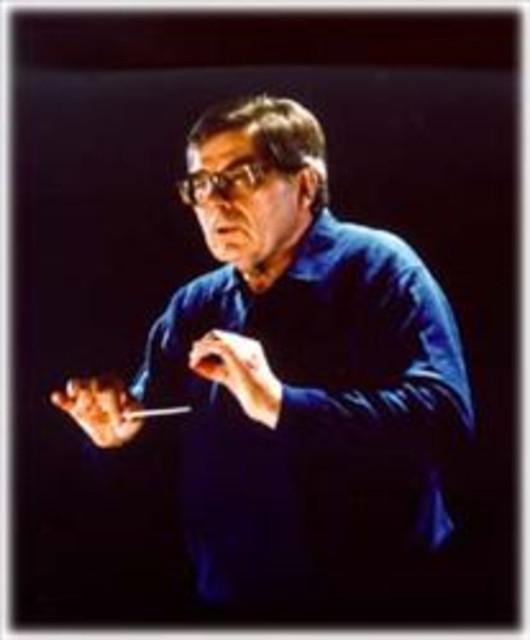
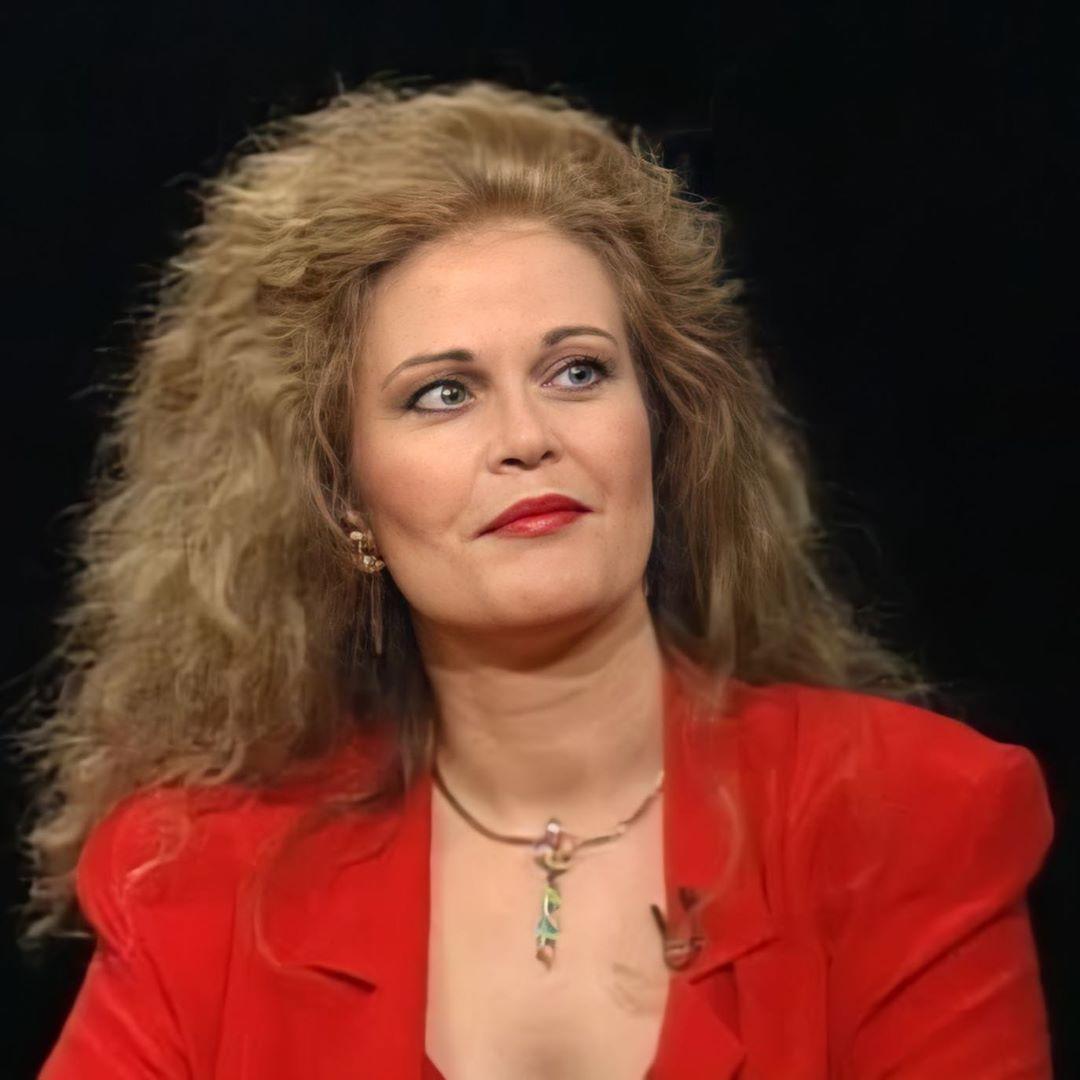
Yves Abel’s Spotify BioYves Abel at the turn of the 21st century was successfully establishing himself as a conductor on the international scene, especially in the field of opera. His parents immigrated from France to Canada in the 1950s. Abel's family, which was not particularly musical, eventually settled in Toronto.
Yves sang in boys' choirs in Toronto. The conductor Mario Bernardi heard him sing and engaged him to sing the part of one of the Three Boys in Mozart's The Magic Flute at the 1975 Ottawa Festival. This was followed by being cast as Miles in Britten's The Turn of the Screw, probably the largest and most demanding part for a boy singer in the operatic repertory. Other members of the cast were Mary Morrison and Phyllis Curtain.
Abel decided to become an opera singer and took voice lessons. After his voice changed, it became clear that his new voice was not beautiful. "I realized that I would never be anything more than a poor character tenor," he said
He continued taking piano lessons, and listened… to a lot of symphonic music, often "conducting along" in front of a mirror, and began to redirect his ambitions to becoming a conductor. He studied at the University of Toronto, continued at the Royal Conservatory there, and finally studying at the Mannes College of Music in New York and in summer sessions at the Tanglewood Music Center in Massachusetts. His teachers there were Leonard Bernstein, Seiji Ozawa, Gunther Herbig, and Roger Norrington.
In 1988, he was engaged as Music Director of the newly formed L'Opéra Française de New York, being assembled to perform the neglected French operatic repertoire in New York City, and has conducted it since its first performances in 1990. Among the French operas he has conducted with the company (which since 1994 has appeared at Alice Tully Hall in Lincoln Center and at the Danny & Sylvia Kaye Playhouse at Hunter College) are Cherubini's Médée, Chabrier's L'Étoile, Milhaud's Le Pauvre Matelot and Esther de Carpentras, Bizet's Doctor Miracle and La Jolie Fille de Perth, Gluck's Orphée et Eurydice, Offenbach's Orphée aux Enfers and La Périchole, and the original French version of Donizetti's La Favorite.
In the 1990s, he began guest conducting in important North American and European venues. French operas continue to be a large part of his activities. He conducted Gounod's Roméo et Juliette at the Florida Grand Opera, Zampa by Hérold at the Wexford Festival, Poulenc's opera Les Mamelles de Tirésias and ballet Les Biches at the Charleston Spoleto Festival, Thomas' Hamlet at the San Francisco Opera, Poulenc's Dialogues des Carmelites in Amsterdam, Massenet's Thaïs at the Opéra de Nice, Faust in Paris, and Bizet's Carmen with the Metropolitan in Central Park. However, his Metropolitan house debut was in Il barbiere di Siviglia. He also conducted Barber's Vanessa with the Seattle Opera, Donizetti's L'elisir d'amore with the Royal Danish Opera, and Così fan tutte at the Gstaad Festival in Switzerland.
He is also becoming known as a Rossini conductor, debuting at the Pesaro Rossini Festival in 1996, where he conducted La Cambiale di Matrimonio, Edipo a Colono, and the Messa di Gloria, then Il turco in Italia at the Opéra de Monte-Carlo and Le Comte Ory at Glyndebourn Festival Opera. In 2000, Decca released his first recording, Thaïs with Renée Fleming and Thomas Hampson.
Abel also performs widely as a recital pianist and song accompanist.
Viberate is a music analytics platform built for A&Rs, artist managers, labels, booking agents, marketers, and artists.
It helps music professionals track artist growth, analyze audience data, monitor playlist activity, compare artists, follow song performance, and identify opportunities across the music market.
Public artist pages provide a free preview of selected artist data. Paid plans provide access to deeper analytics, historical data, charts, comparisons, playlist tools, exports, alerts, reports, and additional professional features.
Yes. Public Viberate artist pages provide selected artist analytics and music data for free.
Viberate also offers a 7-day free trial of the full platform. A credit card is required to start the trial. The trial includes access to the complete product so users can test deeper artist analytics, historical views, playlist insights, comparisons, charts, exports, alerts, and reporting features before choosing a paid plan.
Viberate provides artist analytics across streaming, playlists, social media, video, radio airplay, songs, and audience markets.
Users can analyze Spotify performance, Spotify and Apple Music playlists, YouTube activity, TikTok and Instagram growth, radio spins, song performance, audience locations, demographics, rankings, and overall artist momentum.
Artist profiles also connect to music charts, similar artists, and comparison tools, helping users benchmark performance and evaluate artists in context.
Viberate updates key artist and track data daily.
For followed artists and tracks, selected data is refreshed multiple times per day. This helps teams monitor playlist changes, streaming movement, audience growth, releases, and campaign performance with more current data.
Update frequency can vary depending on the metric and data source.
Yes. Viberate lets users compare up to five artists side by side across streaming, social media, audience, and engagement metrics.
Users can compare fanbase growth, audience demographics, locations, Spotify performance, social metrics, and other artist data over selected time periods.
Artist comparison can be used for A&R scouting, benchmarking, booking decisions, campaign planning, and evaluating artists with similar audiences or market positions.