June Anderson

Classical
Opera
 Viberate Rank: 356697
 Viberate Rank: 356697
 Monthly ListenersFollowers
 Subscribers
 Followers
 Followers
 FansTop Spotify SongsTop YouTube VideosMonthly ListenersFeatured in Playlists
| Playlist | Followers | |
|---|---|---|
1 |  This Is Verdi Spotify | 91.25K |
2 |  Sad,very sad, classical music Peer Wijntjes | 12.86K |
3 |  Pavarotti: The Duets Luciano Pavarotti | 8.33K |
4 |  Motzart Frank Karall | 8.21K |
5 | Frisson Triggers (Archive) Dissect Pod Playlists | 5.61K |
Audience| City | Monthly Listeners | |
|---|---|---|
1 |  | 384 |
2 |  | 296 |
3 |  | 237 |
4 | | 237 |
5 |  | 232 |
See full performance history, audience data, playlist activity, rankings, comparisons, and more in Viberate music analytics. Start with a free trial, then continue with a paid plan.
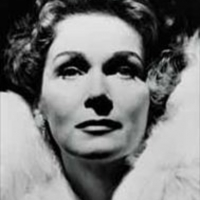
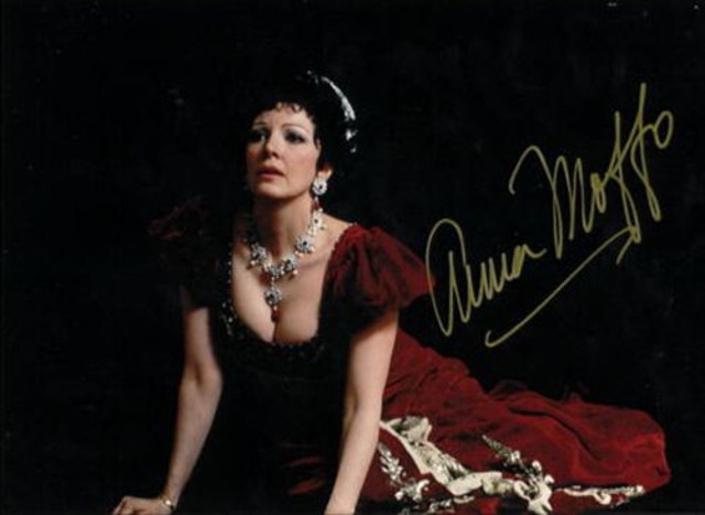
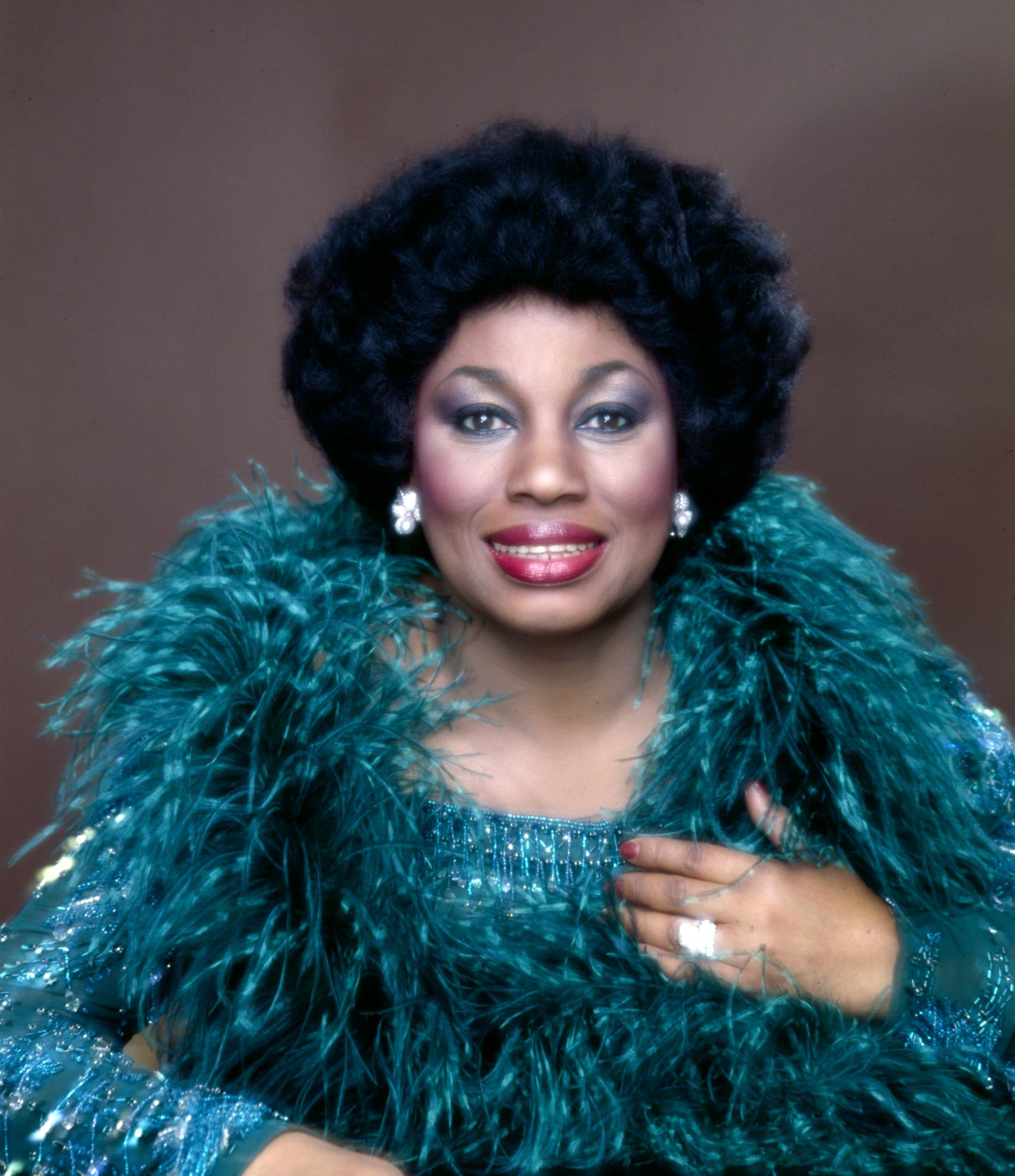
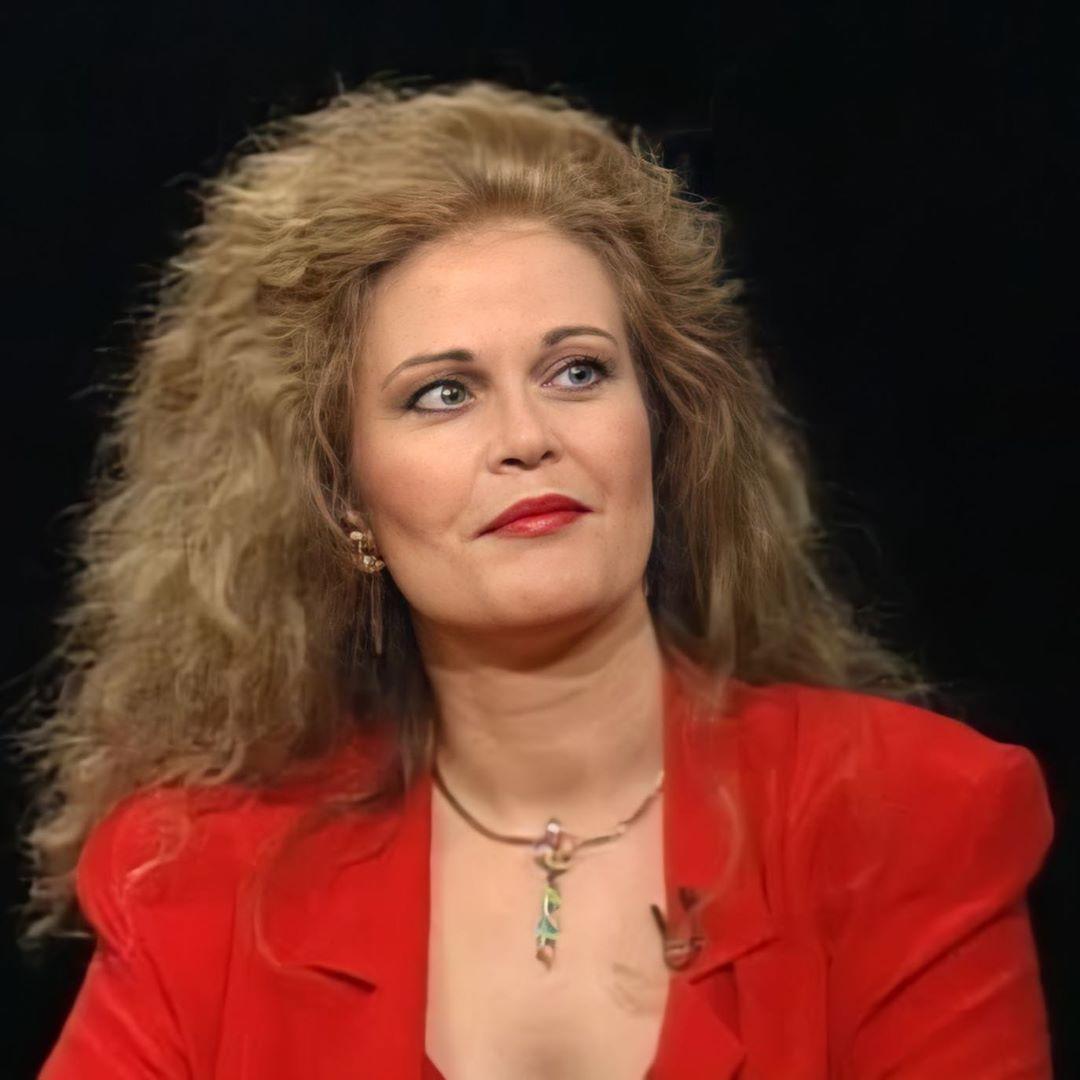
June Anderson’s Spotify BioJune Anderson became one of the leading coloratura soprano singers in the 1980s, hailed as a successor to Joan Sutherland and Beverly Sills. (When she met Sutherland, the Australian diva pointed out the similar width of their jaws and quipped, "I'm told the E flats are in that jaw!")
Anderson began taking singing lessons when she was eleven. She entered the Metropolitan Opera National Auditions at the age of seventeen and became the youngest person ever to be a finalist in that competition.
She took a standard university education, majoring in French at Yale, where she graduated with honors. Then she went to New York, determined that ". . . if in two years' time I was not famous I would go to law school." She says she ran out of money in nine months and at that point got stubborn about it. "I decided I would be a singer if it killed me."
She studied singing privately with Robert Leonard. She made her stage debut as the Queen of the Night in Mozart's Magic Flute. (She has been associated… with the role ever since; it is her voice that sings the arias for that character in Milos Forman's film Amadeus.)
In 1981, she was a Richard Tucker Career Grant winner, then was invited to sing Rossini's Semiramide at the Rome Opera in 1982. Her seemingly effortless vocal production, exceptional agility, and ringing clear tone, plus a commanding and natural-looking stage presence made the appearance a success, leading to engagements in virtually every major opera house of Europe and the United States. Anderson is also the first non-Italian to win the annual Bellini d'Oro vocal prize.
She became known not only for her portrayals of standard coloratura parts -- in operas such as Rigoletto, I Lombardi, La donna del lago, I Capuleti ed i Montecchi, and La Sonnambula. Her acclaimed roles include Rosalinde in Johann Strauss' Die Fledermaus; Desdemona in Otello; and Gilda in Rigoletto (her Metropolitan Opera debut role, singing opposite Pavarotti). She became known for her willingness to undertake unusual roles for recordings, such as Dafne in Il Nascimento dell'aurora by Albinoni (Erato, 1983); Madeleine in Le Postillon de Longjumeau by Adam (EMI, 1985); and Eudoxie in La Juive by Halévy (1986, 1989 Philips). She was chosen by Leonard Bernstein to record the role of Cunegonde in his definitive edition of Candide.
June Anderson has appeared on national television in Metropolitan Opera opening galas, on an Arts and Entertainment Leonard Bernstein birthday concert, in the Bernstein Tribute by John Williams and the Boston Pops, and in a Metropolitan Opera broadcast of Semiramide. In the docu-drama The Queen of Song, she portrayed the legendary nineteenth-century singer Adelina Patti.
Viberate is a music analytics platform built for A&Rs, artist managers, labels, booking agents, marketers, and artists.
It helps music professionals track artist growth, analyze audience data, monitor playlist activity, compare artists, follow song performance, and identify opportunities across the music market.
Public artist pages provide a free preview of selected artist data. Paid plans provide access to deeper analytics, historical data, charts, comparisons, playlist tools, exports, alerts, reports, and additional professional features.
Yes. Public Viberate artist pages provide selected artist analytics and music data for free.
Viberate also offers a 7-day free trial of the full platform. A credit card is required to start the trial. The trial includes access to the complete product so users can test deeper artist analytics, historical views, playlist insights, comparisons, charts, exports, alerts, and reporting features before choosing a paid plan.
Viberate provides artist analytics across streaming, playlists, social media, video, radio airplay, songs, and audience markets.
Users can analyze Spotify performance, Spotify and Apple Music playlists, YouTube activity, TikTok and Instagram growth, radio spins, song performance, audience locations, demographics, rankings, and overall artist momentum.
Artist profiles also connect to music charts, similar artists, and comparison tools, helping users benchmark performance and evaluate artists in context.
Viberate updates key artist and track data daily.
For followed artists and tracks, selected data is refreshed multiple times per day. This helps teams monitor playlist changes, streaming movement, audience growth, releases, and campaign performance with more current data.
Update frequency can vary depending on the metric and data source.
Yes. Viberate lets users compare up to five artists side by side across streaming, social media, audience, and engagement metrics.
Users can compare fanbase growth, audience demographics, locations, Spotify performance, social metrics, and other artist data over selected time periods.
Artist comparison can be used for A&R scouting, benchmarking, booking decisions, campaign planning, and evaluating artists with similar audiences or market positions.