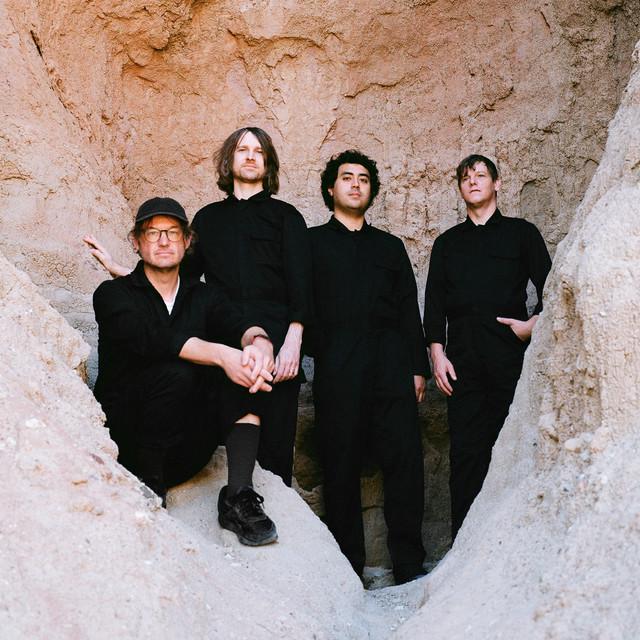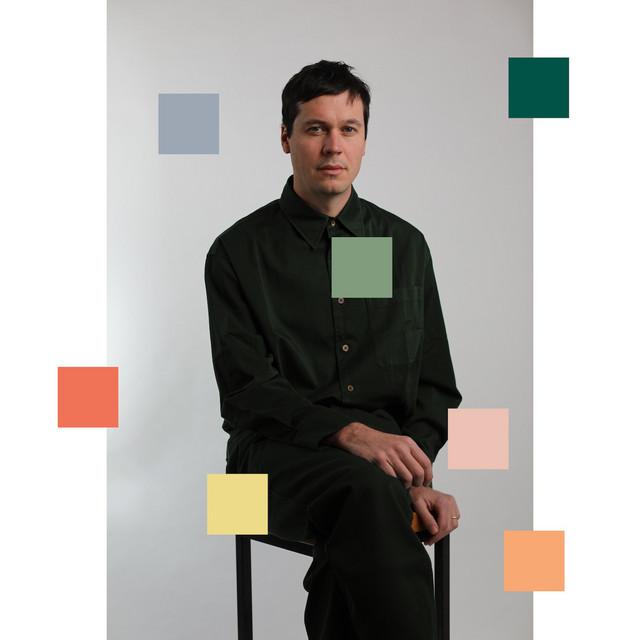
Washed Out

Pop
Indie Pop
Lo-Fi
 Viberate Rank: 23674
 Viberate Rank: 23674
 Monthly ListenersFollowers
 Subscribers
 Followers
 Followers
 FansTop Spotify Songs
| Track | 7-Day Streams | |
|---|---|---|
1 | 154.99K | |
2 | 36.94K | |
3 | 35.13K | |
4 | 34.21K | |
5 | 28.73K |
Top YouTube VideosMonthly ListenersFeatured in Playlists| Playlist | Followers | |
|---|---|---|
1 |  Indie Anthems Spotify | 1.03M |
2 |  Dreampop Classics Spotify | 659.70K |
3 |  Soft Office Spotify | 595.70K |
4 |  Indie Pop 2010s Spotify | 361.88K |
5 |  Electronica Romantica Spotify | 299.01K |
Audience| City | Monthly Listeners | |
|---|---|---|
1 | | 19.25K |
2 | | 14.26K |
3 | | 13.91K |
4 | | 9.27K |
5 | | 9.07K |
See full performance history, audience data, playlist activity, rankings, comparisons, and more in Viberate music analytics. Start with a free trial, then continue with a paid plan.
Washed Out’s Spotify BioProducer/songwriter/multi-instrumentalist Ernest Greene's project Washed Out blends the layered synths and quietly chiming guitars of dream pop, the hypnotic rhythms of bedroom electronica, and his gentle croon of a voice and adds them to songs that are as calm and comforting as a soft blanket. His first EP, 2009's Life of Leisure, helped define the chillwave genre, and his song "Feel It All Around" became a ubiquitous classic. Everything he released subsequently -- whether it's influenced by psychedelic pop (2003's Paracosm,) hip-hop (2017's Mister Mellow), or modern pop (2020's Purple Noon) -- builds on his initial style without changing the elemental laid-back tenets of the Washed Out sound -- which are honed to a fine point on 2024's Notes from a Quiet Life.
Greene had been involved in a number of musical endeavors by the time he started putting together a series of recordings as Washed Out in the summer of 2009; he had worked on a similarly noisy and computerized (albeit far more… guitar-heavy and fast-paced) bedroom recording project called Lee Weather. He had also worked on a series of dance music recordings with a local band in Columbia, South Carolina called Bedroom. Washed Out's initial offerings -- drowsy, distorted, dance-pop-influenced tracks that brought to mind Neon Indian and Memory Cassette -- would reflect the influence of both of these projects. Mexican Summer digitally released Washed Out's debut EP, Life of Leisure, in mid-2009; it was released on vinyl in October of that year. A limited-edition cassette-only release, the High Times EP, came out on Mirror Universe that September.
Big things happened in 2011. His song "Feel It All Around" was picked as the theme music for the Fred Armisen/Carrie Brownstein TV show Portlandia, and Washed Out signed on with Sub Pop. Greene's debut full-length, Within and Without, was recorded in Atlanta with producer Ben Allen, who had previously worked with Animal Collective and Deerhunter; it was released in July. After a long time spent touring behind the album, Greene moved out of Atlanta and relocated to a rural area outside of Athens where he could spend all day in an isolated environment making music. Influenced by the bucolic setting and the use of a wider range of vintage synths, Washed Out's next album, 2013's Paracosm, was much warmer and optimistic-sounding.
After the release of the album, Greene took a step back and began to reconsider the direction Washed Out was headed. When he reappeared in 2017, it was with a new label, Stones Throw, and a visual album that stripped away some of the ambition of the previous two albums in favor of a sound that harked back to Washed Out's early chillwave days, but with a more assured production style and heavy hip-hop influence. Made with the help of mixing engineer Cole M.G.N., Mister Mellow took two years to complete and was released in June of 2017. Greene took a step away from Washed Out to write and produce some of Sudan Archives' 2019 album Athena before heading back to his bedroom studio to record new material. Unlike the previous two Washed Out records, 2020's Purple Noon isn't a genre exercise; instead, he leans into the smooth sounds of chillwave and gives it a modern pop polish. Following the album's release Greene moved back to the Georgia countryside of his youth, living in a converted horse barn. The new locale helped to shape his 2024 album, Notes from a Quiet Life, imbuing it with an even more peacefully tranquil sound than could be found on previous works. ~ Tim Sendra, Rovi
Viberate is a music analytics platform built for A&Rs, artist managers, labels, booking agents, marketers, and artists.
It helps music professionals track artist growth, analyze audience data, monitor playlist activity, compare artists, follow song performance, and identify opportunities across the music market.
Public artist pages provide a free preview of selected artist data. Paid plans provide access to deeper analytics, historical data, charts, comparisons, playlist tools, exports, alerts, reports, and additional professional features.
Yes. Public Viberate artist pages provide selected artist analytics and music data for free.
Viberate also offers a 7-day free trial of the full platform. A credit card is required to start the trial. The trial includes access to the complete product so users can test deeper artist analytics, historical views, playlist insights, comparisons, charts, exports, alerts, and reporting features before choosing a paid plan.
Viberate provides artist analytics across streaming, playlists, social media, video, radio airplay, songs, and audience markets.
Users can analyze Spotify performance, Spotify and Apple Music playlists, YouTube activity, TikTok and Instagram growth, radio spins, song performance, audience locations, demographics, rankings, and overall artist momentum.
Artist profiles also connect to music charts, similar artists, and comparison tools, helping users benchmark performance and evaluate artists in context.
Viberate updates key artist and track data daily.
For followed artists and tracks, selected data is refreshed multiple times per day. This helps teams monitor playlist changes, streaming movement, audience growth, releases, and campaign performance with more current data.
Update frequency can vary depending on the metric and data source.
Yes. Viberate lets users compare up to five artists side by side across streaming, social media, audience, and engagement metrics.
Users can compare fanbase growth, audience demographics, locations, Spotify performance, social metrics, and other artist data over selected time periods.
Artist comparison can be used for A&R scouting, benchmarking, booking decisions, campaign planning, and evaluating artists with similar audiences or market positions.