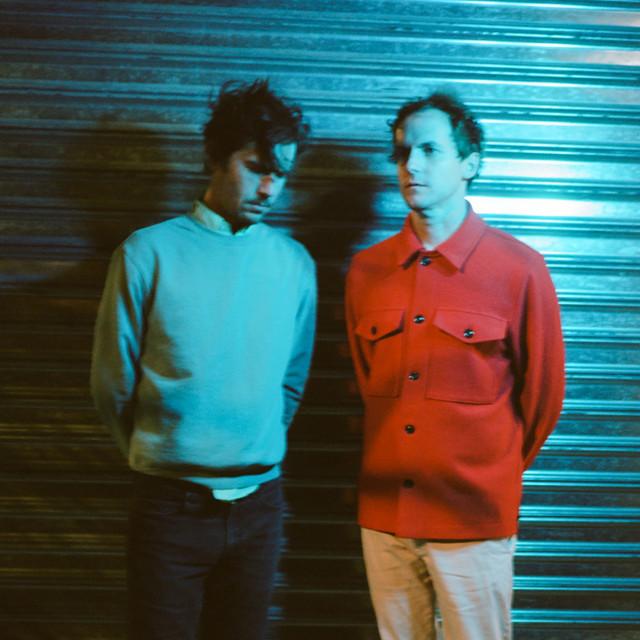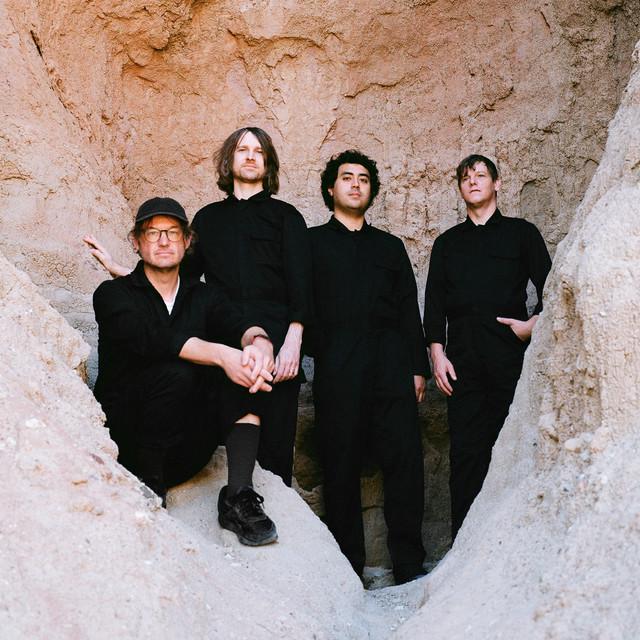
STRFKR

Pop
Indie Pop
Indie Rock
 Viberate Rank: 17439
 Viberate Rank: 17439
 Monthly ListenersFollowers
 Subscribers
 Followers
 Followers
 FansTop Spotify Songs
| Track | 7-Day Streams | |
|---|---|---|
1 | 723.77K | |
2 | 218.47K | |
3 | 154.00K | |
4 | 82.31K | |
5 | 78.66K |
Top YouTube VideosMonthly ListenersFeatured in Playlists| Playlist | Followers | |
|---|---|---|
1 |  Feel-Good Indie Rock Spotify | 2.29M |
2 |  Bedroom Pop Spotify | 1.15M |
3 |  Indie Rock Hits Spotify | 998.04K |
4 |  Feel Good Dinner Spotify | 846.63K |
5 |  Alternative 00s Spotify | 760.62K |
Audience| City | Monthly Listeners | |
|---|---|---|
1 | | 48.37K |
2 |  | 46.85K |
3 | | 38.60K |
4 | | 37.81K |
5 |  | 29.59K |
See full performance history, audience data, playlist activity, rankings, comparisons, and more in Viberate music analytics. Start with a free trial, then continue with a paid plan.
STRFKR’s Spotify BioSTRFKR was started as a solo project by Joshua Hodges but quickly grew into a fully realized band with Keil Corcoran, Shawn Glassford, and Arian Jalali. Beginning with the mission of creating engaging, thought-provoking songs that people could dance to, the band released one full length and one EP before signing on with Polyvinyl in 2010. The band grew commercially and creatively with every new album, with 2011’s Reptilians, 2013’s Miracle Mile, and 2016’s Being No One, Going Nowhere all performing strongly enough to crack various Billboard charts, while multiple STRFKR songs were used in highly visible film, television, and streaming productions. The band started out in a time when a co-sign from blogs and music outlets of note were all but mandatory for new music to be heard and accepted. STRFKR bypassed the hype machine almost completely, focusing instead on making their shows more exciting and pushing their music to new places. In addition to a live album and several remix… collections, the band’s extensive Vault Series has offered fans three volumes worth of unreleased demos and outtakes from every point in their evolution. On their latest full-length album, Parallel Realms, STRFKR embrace a more pop-forward approach while also hinting at experimentalism and the gentler textures on 2020’s heralded, Future Past Life.
Viberate is a music analytics platform built for A&Rs, artist managers, labels, booking agents, marketers, and artists.
It helps music professionals track artist growth, analyze audience data, monitor playlist activity, compare artists, follow song performance, and identify opportunities across the music market.
Public artist pages provide a free preview of selected artist data. Paid plans provide access to deeper analytics, historical data, charts, comparisons, playlist tools, exports, alerts, reports, and additional professional features.
Yes. Public Viberate artist pages provide selected artist analytics and music data for free.
Viberate also offers a 7-day free trial of the full platform. A credit card is required to start the trial. The trial includes access to the complete product so users can test deeper artist analytics, historical views, playlist insights, comparisons, charts, exports, alerts, and reporting features before choosing a paid plan.
Viberate provides artist analytics across streaming, playlists, social media, video, radio airplay, songs, and audience markets.
Users can analyze Spotify performance, Spotify and Apple Music playlists, YouTube activity, TikTok and Instagram growth, radio spins, song performance, audience locations, demographics, rankings, and overall artist momentum.
Artist profiles also connect to music charts, similar artists, and comparison tools, helping users benchmark performance and evaluate artists in context.
Viberate updates key artist and track data daily.
For followed artists and tracks, selected data is refreshed multiple times per day. This helps teams monitor playlist changes, streaming movement, audience growth, releases, and campaign performance with more current data.
Update frequency can vary depending on the metric and data source.
Yes. Viberate lets users compare up to five artists side by side across streaming, social media, audience, and engagement metrics.
Users can compare fanbase growth, audience demographics, locations, Spotify performance, social metrics, and other artist data over selected time periods.
Artist comparison can be used for A&R scouting, benchmarking, booking decisions, campaign planning, and evaluating artists with similar audiences or market positions.