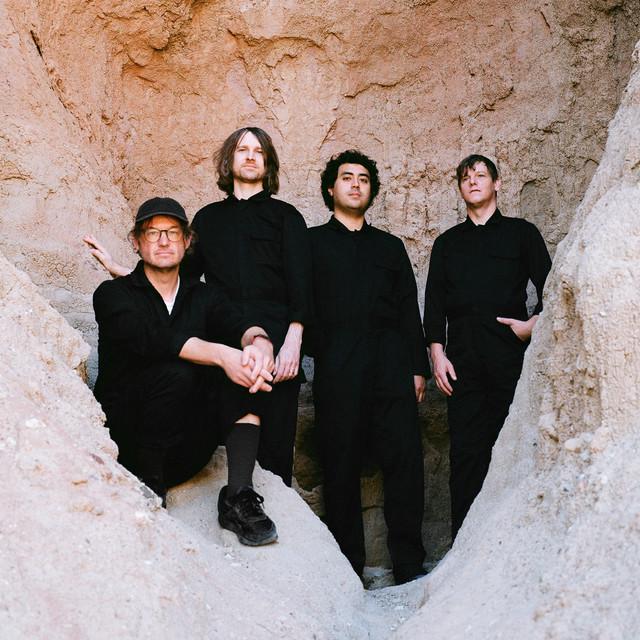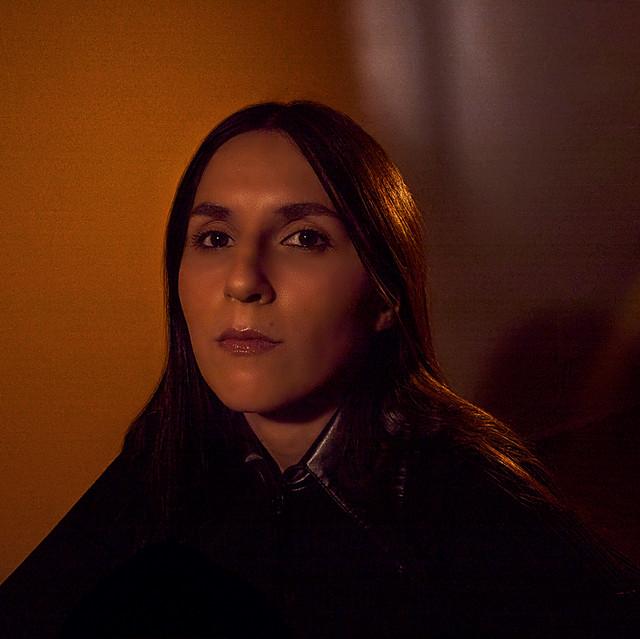
Neon Indian

Pop
Indie Pop
Lo-Fi
 Viberate Rank: 31535
 Viberate Rank: 31535
 Monthly ListenersFollowers
 Subscribers
 Followers
 Followers
 FansTop Spotify Songs
| Track | 7-Day Streams | |
|---|---|---|
1 | 139.63K | |
2 | 29.87K | |
3 | 24.21K | |
4 | 14.15K | |
5 | 12.67K |
Top YouTube VideosMonthly ListenersFeatured in Playlists| Playlist | Followers | |
|---|---|---|
1 | Hipster International Sean Parker | 469.79K |
2 |  Soirée Spotify | 347.44K |
3 |  Dance Hits of 2011 Spotify | 161.33K |
4 |  Best of Indie 2011 Spotify | 146.75K |
5 |  GTA Soundtrack - All Songs kingz | 145.68K |
Audience| City | Monthly Listeners | |
|---|---|---|
1 | | 14.94K |
2 | | 10.04K |
3 | | 9.60K |
4 |  | 7.73K |
5 | | 6.58K |
See full performance history, audience data, playlist activity, rankings, comparisons, and more in Viberate music analytics. Start with a free trial, then continue with a paid plan.
Neon Indian’s Spotify BioFOR NEW MUSIC - VISIT THE Alan Palomo SPOTIFY PAGE.
Emerging as a blurry, sample-driven electronic pop outfit with influences ranging from Todd Rundgren to Italo-disco, Alan Palomo aka Neon Indian became one of chillwave's definitive acts in the late 2000s before Palomo took the project in a more polished, danceable direction. With 2009's Psychic Chasms, Neon Indian lived up to the hype generated by the project's early singles, thanks to Palomo's hazy but hooky swirl of disco, electro, dream, and synth pop. By the time of 2015's Vega Intl. Night School, he switched to a palette of funk, new wave, and reggae, but held onto Neon Indian's gift for balancing heady atmospheres with catchy songwriting. As the 2010s came to a close, his work as a producer and soundtrack composer -- not to mention his fascination with Peruvian music -- suggested even more aspects to Palomo's work.
Beginning in 2017, Palomo focused on film and soundtrack work, including his own short film "86'd" premiered in… 2018 and featured the single "Heaven's Basement." In 2023 Palomo announced that his next album "World of Hassle" would be released under his own name, featuring collaborations with Mac Demarco and L'Imperatrice's Flore Benguigui and inspired by a heavy dose of French Boogie, Italo Disco and City Pop.
Viberate is a music analytics platform built for A&Rs, artist managers, labels, booking agents, marketers, and artists.
It helps music professionals track artist growth, analyze audience data, monitor playlist activity, compare artists, follow song performance, and identify opportunities across the music market.
Public artist pages provide a free preview of selected artist data. Paid plans provide access to deeper analytics, historical data, charts, comparisons, playlist tools, exports, alerts, reports, and additional professional features.
Yes. Public Viberate artist pages provide selected artist analytics and music data for free.
Viberate also offers a 7-day free trial of the full platform. A credit card is required to start the trial. The trial includes access to the complete product so users can test deeper artist analytics, historical views, playlist insights, comparisons, charts, exports, alerts, and reporting features before choosing a paid plan.
Viberate provides artist analytics across streaming, playlists, social media, video, radio airplay, songs, and audience markets.
Users can analyze Spotify performance, Spotify and Apple Music playlists, YouTube activity, TikTok and Instagram growth, radio spins, song performance, audience locations, demographics, rankings, and overall artist momentum.
Artist profiles also connect to music charts, similar artists, and comparison tools, helping users benchmark performance and evaluate artists in context.
Viberate updates key artist and track data daily.
For followed artists and tracks, selected data is refreshed multiple times per day. This helps teams monitor playlist changes, streaming movement, audience growth, releases, and campaign performance with more current data.
Update frequency can vary depending on the metric and data source.
Yes. Viberate lets users compare up to five artists side by side across streaming, social media, audience, and engagement metrics.
Users can compare fanbase growth, audience demographics, locations, Spotify performance, social metrics, and other artist data over selected time periods.
Artist comparison can be used for A&R scouting, benchmarking, booking decisions, campaign planning, and evaluating artists with similar audiences or market positions.