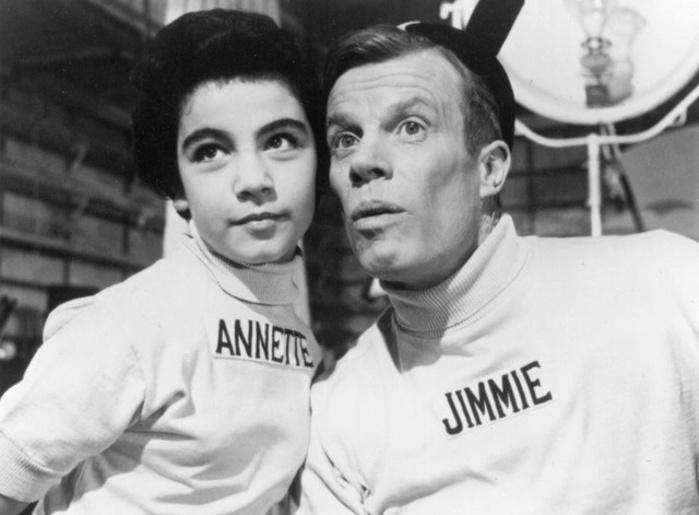
Walter Catlett

Classical
Classical Crossover
Mainstream Pop
 Viberate Rank: 340390
 Viberate Rank: 340390
 Monthly ListenersFollowers
 Subscribers
 Followers
 Followers
 FansTop Spotify SongsTop YouTube VideosMonthly ListenersFeatured in Playlists
| Playlist | Followers | |
|---|---|---|
1 |  Disney Favorites Spotify | 2.08M |
2 | ✨ Disney Soundtracks ✨ Amanda Sherwin | 57.70K |
3 | Classic Disney Movie Songs Amanda Perez | 34.63K |
4 | All Disney songs Abigail Leuschen | 24.04K |
5 |  ✨Disney songs👑 Maddy Mullin | 17.23K |
Audience| City | Monthly Listeners | |
|---|---|---|
1 | | 321 |
2 |  | 293 |
3 |  | 240 |
4 | | 229 |
5 | | 221 |
See full performance history, audience data, playlist activity, rankings, comparisons, and more in Viberate music analytics. Start with a free trial, then continue with a paid plan.
Walter Catlett’s Spotify Biob. 4 February 1889, San Francisco, California, USA, d. 14 November 1960, Woodland Hills, California, USA. After working in vaudeville for several years as a comedian, Catlett appeared on Broadway, notably in Sally (1921), which starred Marilyn Miller. In the early 20s he began a long career as a comic actor in films, adapting readily to talkies. Among many 30s film appearances, several of them in musicals, he made The Floradora Girl (A Story Of The Gay Nineties) (1930, starring Marion Davies), Platinum Blonde (1931, with Jean Harlow), Big City Blues (1932, with Joan Blondell), Mr. Deeds Goes To Town (1936, with Gary Cooper and Jean Arthur), On The Avenue (1937, with Madeleine Carroll, Dick Powell, Alice Faye, and many Irving Berlin songs), Bringing Up Baby (1938, with Katharine Hepburn and Cary Grant), and Zaza (1939, with Claudette Colbert). Two 1942 films were musical biopics, My Gal Sal, about songwriter Paul Dresser, and Yankee Doodle Dandy, the story of George M. Cohan; and… another biopic was 1949’s Look For The Silver Lining, the story of Marilyn Miller. Also in the 40s, Catlett was in two Danny Kaye vehicles, Up In Arms (1944) and The Inspector General (1949). He was in the frothy musicals Dancing In The Dark (1949, with William Powell and Betsy Drake), and Here Comes The Groom (1951, with Bing Crosby and Jane Wyman). Later in the 50s Catlett was in Friendly Persuasion (1956) and Beau James (1957). In addition to appearing on-screen, he also provided the voice for J. Worthingtom Foulfellow in Walt Disney’s animated feature, Pinocchio (1940). To very nearly all of his films, Catlett brought his perfected screen persona of an absent-minded blunderer.
Viberate is a music analytics platform built for A&Rs, artist managers, labels, booking agents, marketers, and artists.
It helps music professionals track artist growth, analyze audience data, monitor playlist activity, compare artists, follow song performance, and identify opportunities across the music market.
Public artist pages provide a free preview of selected artist data. Paid plans provide access to deeper analytics, historical data, charts, comparisons, playlist tools, exports, alerts, reports, and additional professional features.
Yes. Public Viberate artist pages provide selected artist analytics and music data for free.
Viberate also offers a 7-day free trial of the full platform. A credit card is required to start the trial. The trial includes access to the complete product so users can test deeper artist analytics, historical views, playlist insights, comparisons, charts, exports, alerts, and reporting features before choosing a paid plan.
Viberate provides artist analytics across streaming, playlists, social media, video, radio airplay, songs, and audience markets.
Users can analyze Spotify performance, Spotify and Apple Music playlists, YouTube activity, TikTok and Instagram growth, radio spins, song performance, audience locations, demographics, rankings, and overall artist momentum.
Artist profiles also connect to music charts, similar artists, and comparison tools, helping users benchmark performance and evaluate artists in context.
Viberate updates key artist and track data daily.
For followed artists and tracks, selected data is refreshed multiple times per day. This helps teams monitor playlist changes, streaming movement, audience growth, releases, and campaign performance with more current data.
Update frequency can vary depending on the metric and data source.
Yes. Viberate lets users compare up to five artists side by side across streaming, social media, audience, and engagement metrics.
Users can compare fanbase growth, audience demographics, locations, Spotify performance, social metrics, and other artist data over selected time periods.
Artist comparison can be used for A&R scouting, benchmarking, booking decisions, campaign planning, and evaluating artists with similar audiences or market positions.