Pinto Colvig

Classical
Classical Crossover
Mainstream Pop
 Viberate Rank: 401677
 Viberate Rank: 401677
 Monthly ListenersFollowers
 Subscribers
 Followers
 Followers
 FansTop Spotify SongsTop YouTube VideosMonthly ListenersFeatured in Playlists
| Playlist | Followers | |
|---|---|---|
1 |  Disney Favorites Spotify | 2.08M |
2 |  Disney Classics Spotify | 420.78K |
3 |  Disney T.j. Bennett | 38.29K |
4 |  Disney Songs David | 22.58K |
5 | Disney Greatest Hits Jordan Barr | 22.15K |
Audience| City | Monthly Listeners | |
|---|---|---|
1 |  | 324 |
2 | | 249 |
3 |  | 201 |
4 | | 201 |
5 | | 194 |
See full performance history, audience data, playlist activity, rankings, comparisons, and more in Viberate music analytics. Start with a free trial, then continue with a paid plan.
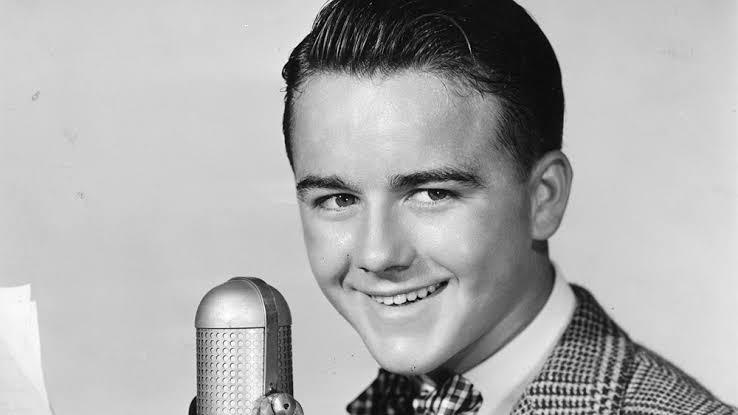
Pinto Colvig’s Spotify BioThe sound of his voice is probably heard at least once a day in households with children across the world, but are they jumping up and shouting "Yes! That's Pinto Colvig!" No, and that's showbiz. Born Vance D. Colvig near the end of the 19th century, Pinto Colvig was a voice artist from the golden era of cartoons. He worked regularly with Walt Disney, and was primarily responsible for the voice of Goofy. He also worked the voices of several of the dwarves who befriended Snow White in the original Disney classic of animation, including Grumpy. Mean, unfriendly characters such as this became one of his specialties, and he excelled at outright villains. He created the unforgettable beast of a bad guy Bluto during his relationship with cartoon director Max Fleischer, who directed the first and best series of Popeye cartoons. Another great Colvig bad guy, or should it be bad bug, was Mr. Creeper in the cartoon film Hoppity Goes to Town. Wolves also served Colvig well, which is certainly… better than being served to them. The voice artist showed his lyrical abilities as co-writer of the song "Who's Afraid of the Big Bad Wolf?" introduced by Disney in the studio's version of the story of the Three Little Pigs. Colvig also collaborated with Tex Avery, an animator who was decidedly more subversive than Disney. Avery was fond of satirizing fairy tales, particularly the saga of Little Red Riding Hood, and Colvig's amusing voices for the wolf characters were crucial to several of these epics. Indeed, he worked with such regularity and diversity within the world of cartoons and animated features that it can become almost an endless conversation just recapping his most famous credits. He spat for grasshoppers, belched and grunted for hogs, and howled for dogs. Every sniff, bark, and whine which emerged from the canine character Pluto was carefully crafted by Colvig. He worked many of the voices in the early Mickey Mouse movies and did some of his finest work for Disney years later on the film Song of the South, which combined cartoons and live actors. He was also in demand for his vocal talents outside the cartoon kingdom. Beginning in the '20s, his sound effects were in demand by radio comedians and he was a regular on programs such as the Jack Benny Show and Amos 'n' Andy. His sound effects, which like the voices he worked , were all entirely his own inventions and developments, and could often punch a merely funny line into a hilarious one. When Benny co-star Dennis Day's horse got the hiccups, it was Colvig. He even did sound effects for the automobiles on the Benny show.
Colvig's favorite character, however, was always Goofy. As a child who loved to clown around and entertain others, Colvig realized early on how to create an imitation that would not only be amusing but endearing. In the case of Goofy, the voice of Mickey Mouse's shrieve of a sidekick is the same soft, southern Oregon accent Colvig heard as a child growing up amongst the old miners and pioneers of Jacksonville, OR. Down the line, Colvig would describe Goofy as the "epitome of all the hicks in the world."
The baby in a family of seven children, he was nicknamed "Pinto" in honor of his freckled face. The nickname wound up elbowing aside his real name on a permanent basis. He also began demonstrating a rare skill at making strange faces and weird noises when he was a young lad, but it must have been post-Pinto or he would have been nicknamed Muggsy. He spent hours mimicking farm animals, rusty gates, sneezing, the wind, cars starting up, and trains. When he and his older brother Don Colvig started up a local song and dance act, Pinto began working some of his vocal tricks into their routines. At 13, he picked up a gig playing squeaks and squawks on a clarinet. But he wasn't backing up an avant-garde band, this was a collaboration with a circus huckster hawking tickets to an exhibition called The Crazy Horse. This strange little gig began what would be a lifetime obsession with the circus. He enrolled in college, majoring in music and playing the E flat clarinet in the school orchestra. But every summer he would be off with the circus. That isn't to say he did all his entertaining as a circus clown. He was popular at school not only for his cartoons in student publications but for a truly original type of performance he had invented that he called "chalk talks." These would involve him performing a monologue while he simultaneously drew cartoon characters to illustrate his words. He left college for good in 1913 to join the Pantages Vaudeville Circuit, which wanted the chalk talks. Two years later, he joined the Al G. Barnes Railroad Circus as the clarinet player in the clown band. When the circus wagons came off the road for the winter, Colvig would bide his time with newspaper cartooning jobs, barely getting by. In 1916, he was married, putting an end to the vagabond life. He turned to full-time newspaper work and landed a job at the San Francisco Bulletin and then a position at the San Francisco Chronicle. Evenings were spent experimenting with animation, leading to him opening his own studio, Pinto Cartoon Comedies. Following the first World War, he moved to Hollywood and produced one of the first color cartoons in animation history. He began working for the famous silent comedy director Mack Sennett, and like many people in the film business at this time, he developed into a jack of all trades, doing some script writing as well as acting in bit parts. Colvig met Walter Lanz around the time that sound had come into the film industry and much of the old silent film crowd was scattering off to the hinterlands to lick their wounds. Lanz would later become both the inventor and the voice of Woody Woodpecker, whose trademark cackle made many in the audience nostalgic for silent films. Colvig and Lanz produced one of Hollywood's first talking cartoons, Bolivar, the Talking Ostrich. Was it a hit? Does anyone remember a talking ostrich named Bolivar? That should answer that question. Colvig went on to Disney until 1937, then spent several years working in live radio, allowing him to brush up against many big shots in the recording industry. The hobnobbing eventually led to Capitol in 1946, where he was asked to help develop a new concept. The idea was storybook albums containing children's records. Producer Alan Livingston had concocted the goody two-shoes character Bozo the Clown. The new character was to be introduced to the world on a children's record to be entitled Bozo at the Circus. For Colvig, the job was a chance to return to the world of the circus and its clowns, at least on a make- believe level. But the success of this venture was not make believe. This very first illustrated read-along book set confounded many in the recording industry by plopping itself onto the Billboard charts for best-selling children's records for 200 weeks. Obviously, the public was indicating a desire for more Bozo. The first version of a Bozo television show, Bozo's Circus, appeared on KTTV in Los Angeles in 1949 and allowed Colvig to step out in front of the camera for a change, even though his features were well hidden behind white face makeup, a red nose, and of course the grungy strands of red hair. This version of the show aired for about one year. After that, a new set of episodes was produced by the record company, with Sid Saylor replacing Colvig in the lead role. This was not the end of the Colvig name in association with Bozo, however. Not only were various Bozo recording projects released and re-released, but from 1959 through 1964, Colvig's son, Vance Colvig Jr., donned the clown makeup in the only version of the Bozo franchise to feature the character of the sidekick Butch that had been featured in Bozo cartoons. A gimmicky twist the producers came up with was picking one audience member at each show to be "Butch For a Day." The lucky brat would be trussed up in the same duds as Butch -- a suit. After that, the Butch's job is to assist the great clown on-stage for the entire episode.
While his son was clowning around, Pinto Colvig once again became involved more heavily in the production of animated films. He was the animation director of the full-length cartoon film of Gulliver's Travels. His recorded material contributions to be reissued, seemingly with each new change in technology format. With the advent of the long-playing record, many of the old Capitol 7" and 10" discs were repackaged as albums on a series that often featured Colvig on one side and fellow voicemaster Mel Blanc on the other.
The Southern Oregon Historical Society in Medford maintains a large exhibit on Colvig including drawings and letters. He died of lung cancer in 1967 and was honored by Disney in 1993 as a Disney Legend. ~ Eugene Chadbourne, Rovi
Viberate is a music analytics platform built for A&Rs, artist managers, labels, booking agents, marketers, and artists.
It helps music professionals track artist growth, analyze audience data, monitor playlist activity, compare artists, follow song performance, and identify opportunities across the music market.
Public artist pages provide a free preview of selected artist data. Paid plans provide access to deeper analytics, historical data, charts, comparisons, playlist tools, exports, alerts, reports, and additional professional features.
Yes. Public Viberate artist pages provide selected artist analytics and music data for free.
Viberate also offers a 7-day free trial of the full platform. A credit card is required to start the trial. The trial includes access to the complete product so users can test deeper artist analytics, historical views, playlist insights, comparisons, charts, exports, alerts, and reporting features before choosing a paid plan.
Viberate provides artist analytics across streaming, playlists, social media, video, radio airplay, songs, and audience markets.
Users can analyze Spotify performance, Spotify and Apple Music playlists, YouTube activity, TikTok and Instagram growth, radio spins, song performance, audience locations, demographics, rankings, and overall artist momentum.
Artist profiles also connect to music charts, similar artists, and comparison tools, helping users benchmark performance and evaluate artists in context.
Viberate updates key artist and track data daily.
For followed artists and tracks, selected data is refreshed multiple times per day. This helps teams monitor playlist changes, streaming movement, audience growth, releases, and campaign performance with more current data.
Update frequency can vary depending on the metric and data source.
Yes. Viberate lets users compare up to five artists side by side across streaming, social media, audience, and engagement metrics.
Users can compare fanbase growth, audience demographics, locations, Spotify performance, social metrics, and other artist data over selected time periods.
Artist comparison can be used for A&R scouting, benchmarking, booking decisions, campaign planning, and evaluating artists with similar audiences or market positions.