Jimmie Dodd

Classical
Classical Crossover
Mainstream Pop
 Viberate Rank: 282593
 Viberate Rank: 282593
 Monthly ListenersFollowers
 Subscribers
 Followers
 Followers
 FansTop Spotify Songs
| Track | 7-Day Streams | |
|---|---|---|
1 | 15.61K | |
2 | 3.44K | |
3 | 2.36K | |
4 | 1.87K | |
5 | 1.21K |
Top YouTube VideosMonthly ListenersFeatured in Playlists| Playlist | Followers | |
|---|---|---|
1 |  Disney Classics Spotify | 420.78K |
2 |  KINGDOM HEARTS Spotify | 216.71K |
3 |  Cantando com Disney Spotify | 140.82K |
4 |  Disney T.j. Bennett | 38.29K |
5 | Musicals/Broadway/Disney Elisabeth B | 30.75K |
Audience| City | Monthly Listeners | |
|---|---|---|
1 | | 1.16K |
2 | | 730 |
3 |  | 721 |
4 |  | 682 |
5 | | 648 |
See full performance history, audience data, playlist activity, rankings, comparisons, and more in Viberate music analytics. Start with a free trial, then continue with a paid plan.
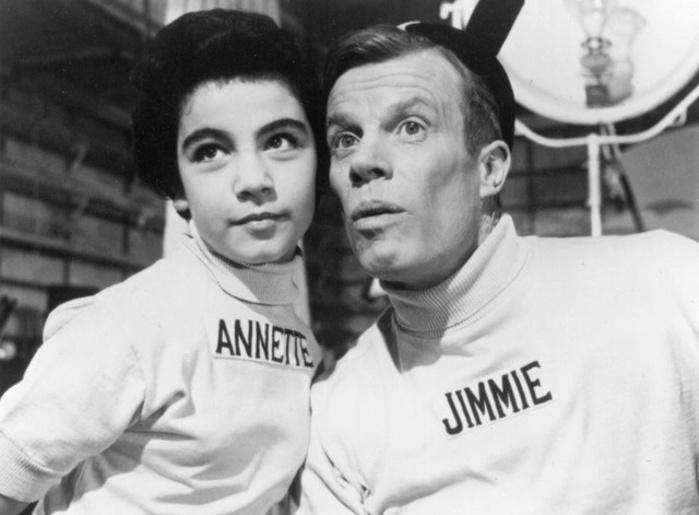
Jimmie Dodd’s Spotify BioWith his effervescent smile and religious sense of morality, Jimmie Dodd provided a father figure for the original Mouseketeers of The Mickey Mouse Club TV show. In addition to writing many of the tunes featured on the program, including the show's theme song, Dodd provided an ongoing series of wise sayings that were dubbed "Doddisms."
A native of Cincinnati, OH, Dodd played banjo in a band while attending the University of Cincinnati. He also studied at the Cincinnati Conservatory of Music and the Shouster Martin School of Dramatic Arts. Honing his skills in Florida and Nashville nightclubs, Dodd moved to southern California in hopes of taking his career to the next level. His first break came, in 1940, when he appeared with William Holden in the comedy film Those Were the Days.
Although a heart condition prevented him from serving in the military during World War II, Dodd and his wife, Ruth, brought entertainment to the battleground as part of USO tours. Upon their return to… California, Dodd considered retiring from music and seeking a better-paying job. His plans changed after hearing that Disney was seeking a song for a planned nighttime television show. When a demo tape was heard by Disney executives, they were so impressed that they offered Dodd a staff music writer position. Asked to demonstrate how he envisioned an accompanying video, Dodd was so enthusiastic in his presentation that he was offered a job on The Mickey Mouse Club show. Together with Roy Williams, Bill Walsh, and Walt Disney, Dodd helped to choose the show's original cast.
Dodd served as host of the show from its premiere in November 1955 until its last program in September 1959. He continued to work with Disney until his death in 1964. ~ Craig Harris, Rovi
Viberate is a music analytics platform built for A&Rs, artist managers, labels, booking agents, marketers, and artists.
It helps music professionals track artist growth, analyze audience data, monitor playlist activity, compare artists, follow song performance, and identify opportunities across the music market.
Public artist pages provide a free preview of selected artist data. Paid plans provide access to deeper analytics, historical data, charts, comparisons, playlist tools, exports, alerts, reports, and additional professional features.
Yes. Public Viberate artist pages provide selected artist analytics and music data for free.
Viberate also offers a 7-day free trial of the full platform. A credit card is required to start the trial. The trial includes access to the complete product so users can test deeper artist analytics, historical views, playlist insights, comparisons, charts, exports, alerts, and reporting features before choosing a paid plan.
Viberate provides artist analytics across streaming, playlists, social media, video, radio airplay, songs, and audience markets.
Users can analyze Spotify performance, Spotify and Apple Music playlists, YouTube activity, TikTok and Instagram growth, radio spins, song performance, audience locations, demographics, rankings, and overall artist momentum.
Artist profiles also connect to music charts, similar artists, and comparison tools, helping users benchmark performance and evaluate artists in context.
Viberate updates key artist and track data daily.
For followed artists and tracks, selected data is refreshed multiple times per day. This helps teams monitor playlist changes, streaming movement, audience growth, releases, and campaign performance with more current data.
Update frequency can vary depending on the metric and data source.
Yes. Viberate lets users compare up to five artists side by side across streaming, social media, audience, and engagement metrics.
Users can compare fanbase growth, audience demographics, locations, Spotify performance, social metrics, and other artist data over selected time periods.
Artist comparison can be used for A&R scouting, benchmarking, booking decisions, campaign planning, and evaluating artists with similar audiences or market positions.