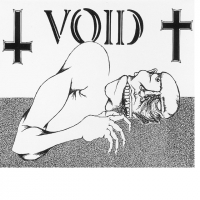
Void

Punk
Hardcore Punk
Thrash Metal
 Viberate Rank: 137696
 Viberate Rank: 137696
 Monthly ListenersFollowers
 Subscribers
 Followers
 Followers
 FansTop Spotify Songs
| Track | 7-Day Streams | |
|---|---|---|
1 | 8.68K | |
2 | 3.30K | |
3 | 2.65K | |
4 | 1.55K | |
5 | 1.37K |
Top YouTube VideosMonthly ListenersFeatured in Playlists| Playlist | Followers | |
|---|---|---|
1 |  Hardcore Punk Pure Noise Records | 77.03K |
2 |  80's Hardcore Punk Antonio Leal Filho | 20.65K |
3 | Hardcore Punk - Actual real shit Christina Pap | 15.63K |
4 |  The Sound of Crust Punk The Sounds of Spotify | 9.62K |
5 |  Kurt Cobain's 50 Favorite Records The Dowsers | 8.16K |
Audience| City | Monthly Listeners | |
|---|---|---|
1 | | 1.10K |
2 | | 467 |
3 | | 445 |
4 | | 401 |
5 |  | 356 |
See full performance history, audience data, playlist activity, rankings, comparisons, and more in Viberate music analytics. Start with a free trial, then continue with a paid plan.
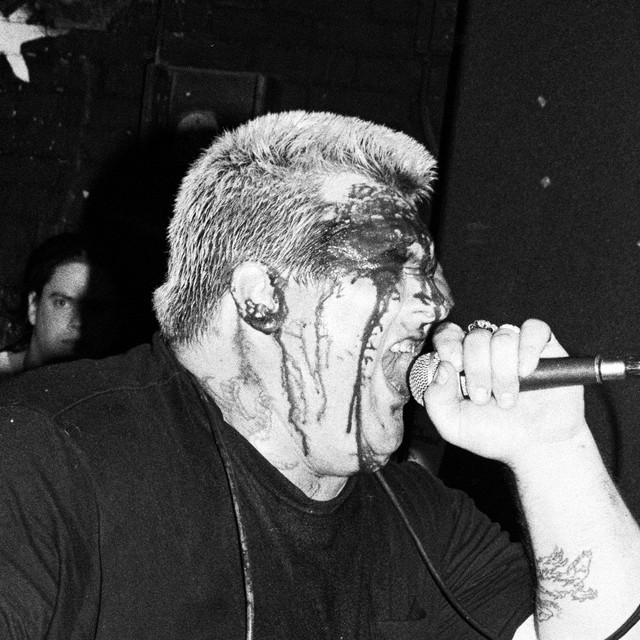
Void’s Spotify BioVoid was one of the earliest bands to fuse hardcore punk and heavy metal in a way that was accepted by punk fans, and also the first band signed to Ian MacKaye's Dischord label that wasn't from Washington, D.C. (they hailed instead from suburban Columbia, Maryland). Their influence wasn't as widespread as it might have been, thanks to an extremely limited recorded legacy that didn't even include a proper full-length album. However, they enjoyed an enduring cult reputation among D.C. hardcore aficionados, and by most accounts their punk-metal fusion was highly effective -- a ferocious, barely controlled chaos rife with tortured vocals and shrieking guitar feedback. Void's live performances were notorious for descending into drunken mayhem, a rarity in the mostly straight-edge D.C. scene but one that perfectly mirrored their music. Unique too was their interracial lineup, formed in 1980 and composed of manic vocalist John Weiffenbach, guitarist Bubba Dupree, bassist Chris Stover, and… drummer Sean Finnegan. Dupree was possessed of an innovative guitar style strongly reminiscent of Black Flag's Greg Ginn, but with a feel for the more technical riffs common to heavy metal. Void's volatility quickly found acceptance in the normally exclusive D.C. punk community. In 1981, they cut a demo tape titled Condensed Flesh, and made their vinyl debut early the next year with three songs on the Dischord label sampler Flex Your Head. The band went into the studio that spring and cut 12 songs -- some of which had appeared on Condensed Flesh -- that remained in the Dischord vaults for a time. Given the band's unhinged sound and live shows, it was clear that they wouldn't be able to hold together forever, and they disbanded in 1983. Dischord later paired their studio recordings with 12 more by the Faith and issued them as a split LP in 1985, which was later reissued on CD and introduced Void's music to a new generation of Dischord fanatics. The Condensed Flesh demo was also released as an EP by Eye 95 Records in 1992. Bubba Dupree still carried a cult of admirers in the ‘90s, and found work as a guest guitarist gigging with the likes of Soundgarden and Moby; he also appeared on Dave Grohl's Probot project in 2004. ~ Steve Huey, Rovi
Viberate is a music analytics platform built for A&Rs, artist managers, labels, booking agents, marketers, and artists.
It helps music professionals track artist growth, analyze audience data, monitor playlist activity, compare artists, follow song performance, and identify opportunities across the music market.
Public artist pages provide a free preview of selected artist data. Paid plans provide access to deeper analytics, historical data, charts, comparisons, playlist tools, exports, alerts, reports, and additional professional features.
Yes. Public Viberate artist pages provide selected artist analytics and music data for free.
Viberate also offers a 7-day free trial of the full platform. A credit card is required to start the trial. The trial includes access to the complete product so users can test deeper artist analytics, historical views, playlist insights, comparisons, charts, exports, alerts, and reporting features before choosing a paid plan.
Viberate provides artist analytics across streaming, playlists, social media, video, radio airplay, songs, and audience markets.
Users can analyze Spotify performance, Spotify and Apple Music playlists, YouTube activity, TikTok and Instagram growth, radio spins, song performance, audience locations, demographics, rankings, and overall artist momentum.
Artist profiles also connect to music charts, similar artists, and comparison tools, helping users benchmark performance and evaluate artists in context.
Viberate updates key artist and track data daily.
For followed artists and tracks, selected data is refreshed multiple times per day. This helps teams monitor playlist changes, streaming movement, audience growth, releases, and campaign performance with more current data.
Update frequency can vary depending on the metric and data source.
Yes. Viberate lets users compare up to five artists side by side across streaming, social media, audience, and engagement metrics.
Users can compare fanbase growth, audience demographics, locations, Spotify performance, social metrics, and other artist data over selected time periods.
Artist comparison can be used for A&R scouting, benchmarking, booking decisions, campaign planning, and evaluating artists with similar audiences or market positions.