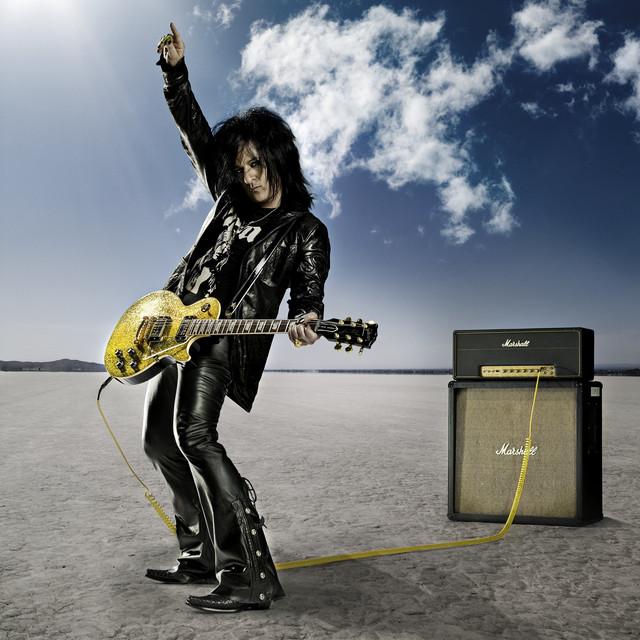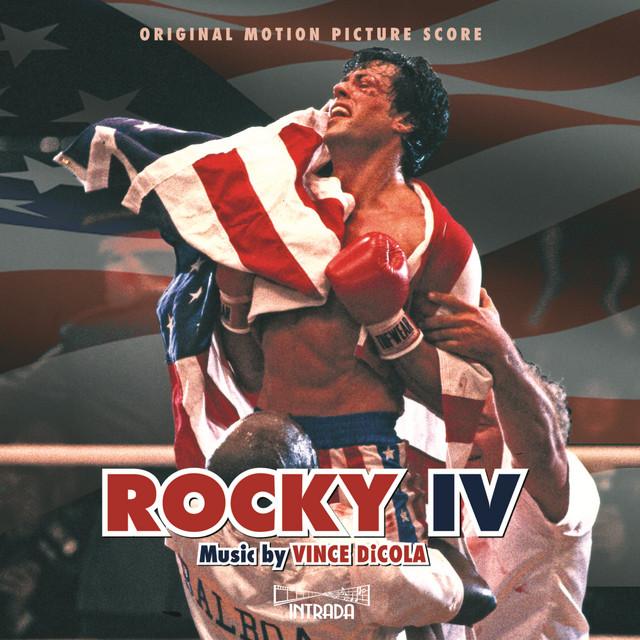
Vince DiCola

Rock
Folk Rock
Other Electronic Music
 Viberate Rank: 42573
 Viberate Rank: 42573
 Monthly ListenersFollowers
 Subscribers
 Followers
 Followers
 FansTop Spotify Songs
| Track | 7-Day Streams | |
|---|---|---|
1 | 202.14K | |
2 | 122.10K | |
3 | 61.04K | |
4 | 40.84K | |
5 | 37.43K |
Top YouTube Videos| Video | 7-Day Views | |
|---|---|---|
1 | 5.16K | |
2 | 5.12K | |
3 | 81 | |
4 | 27 | |
5 | 24 |
Monthly ListenersFeatured in Playlists| Playlist | Followers | |
|---|---|---|
1 |  Rocky Training ALF | 445.78K |
2 |  Gym Motivation 💪🏼 Old School 80s - 2026 🏛️ Beast Mode Music | 182.22K |
3 |  Rocky Balboa Motivation Goliath | 173.49K |
4 |  Rocky Soundtrack (1-6) Boisterous Pop | 159.50K |
5 |  Motivational Songs Carlos Piles Zaro | 107.19K |
Audience| City | Monthly Listeners | |
|---|---|---|
1 |  | 14.55K |
2 |  | 9.14K |
3 |  | 8.40K |
4 |  | 6.97K |
5 |  | 6.68K |
See full performance history, audience data, playlist activity, rankings, comparisons, and more in Viberate music analytics. Start with a free trial, then continue with a paid plan.
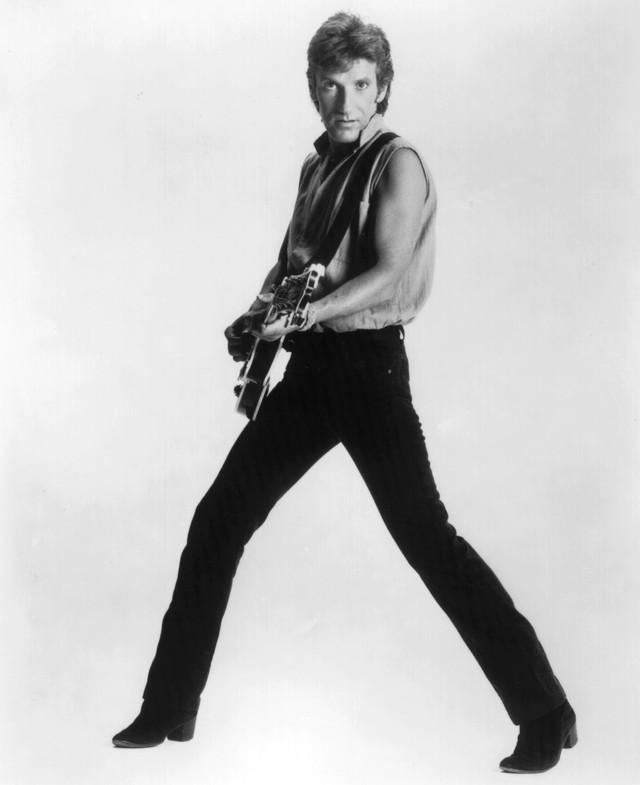
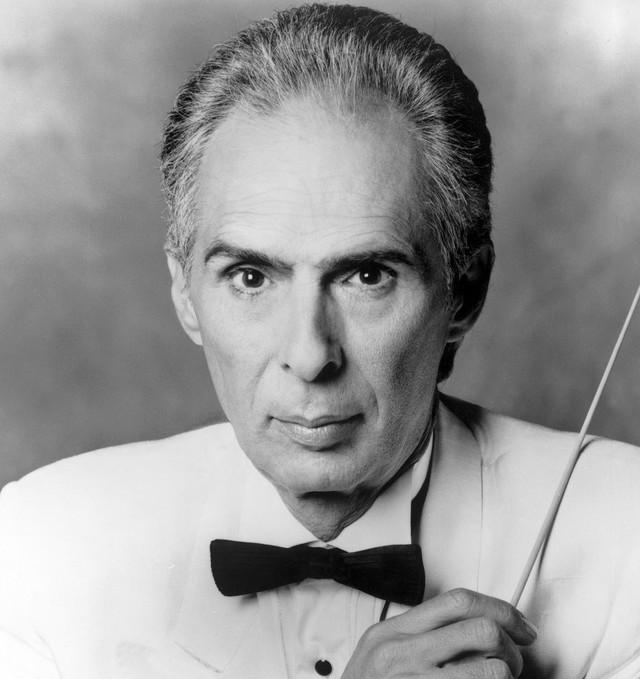
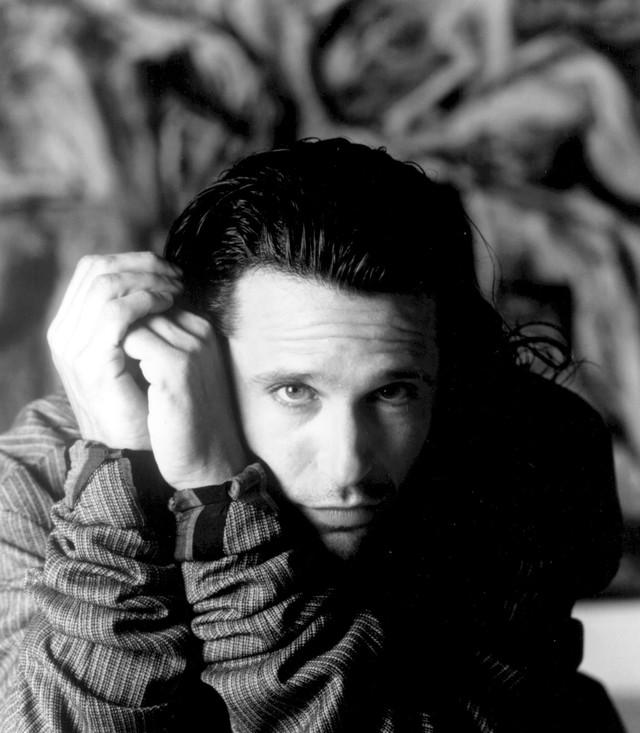
Vince DiCola’s Spotify BioSynthesizer player/composer Vince DiCola is best known for his composing and performing of the soundtrack of the 1986 animated film Transformers: The Movie. While most tunes, including "Instruments of Destruction," "Dare to Be Stupid," and "The Transformers Theme," were firmly set in the heavy metal/heavy rock tradition, the most successful song, "Dare and the Touch," reflects more of a rock and pop influence. DiCola's tune "The Touch" received a 1986 APEX Award for Best Original Song (Fantasy/Science Fiction/Horror).
A native of Lancaster, PA, DiCola launched his career after moving to Southern California in 1981. His first success came when he was chosen to co-write eight tunes for Staying Alive, starring John Travolta and directed by Sylvester Stallone. DiCola played keyboards on one tune, "Far from Over," featuring Stallone's brother Frank on vocals. He received a Golden Globe Award for his song "Far from Over." Recording his album Piano Solos in 1986, DiCola has since gone on to… record in a variety of contexts. A performer and arranger of four tunes on the 1991 multi-artist tribute album Artfully Beatles, his recording of "Yesterday" was heard during the Winter Olympics in 1998. He arranged, produced, and performed on all ten tracks of a follow-up CD, Artistically Beatles, in 1993.
DiCola later balanced his solo work with membership in a five-piece rock band, Storming Heaven; their debut album, Life in Paradise, was released in Europe and Japan in 1996. He has also worked with the soul-rock trio Thread, also including Jethro Tull drummer Doane Perry and Tower of Power vocalist Ellis Hall. Their first album was also released in 1996. Forming a new band, In-VINCE-Ible, in November 2000, with ex-members of Chicago, Santana, and Jethro Tull, DiCola released an album with the same name, combining past and previously unreleased tunes. He has also performed regularly with Christian performer Bryan Duncan. DiCola remains committed to the music that he composed for Transformers. He released three CDs of film-oriented material early in the new millennium -- the full original score, a collection of rare tracks and demos, and a solo piano album, Artistic Transformation. ~ Craig Harris, Rovi
Viberate is a music analytics platform built for A&Rs, artist managers, labels, booking agents, marketers, and artists.
It helps music professionals track artist growth, analyze audience data, monitor playlist activity, compare artists, follow song performance, and identify opportunities across the music market.
Public artist pages provide a free preview of selected artist data. Paid plans provide access to deeper analytics, historical data, charts, comparisons, playlist tools, exports, alerts, reports, and additional professional features.
Yes. Public Viberate artist pages provide selected artist analytics and music data for free.
Viberate also offers a 7-day free trial of the full platform. A credit card is required to start the trial. The trial includes access to the complete product so users can test deeper artist analytics, historical views, playlist insights, comparisons, charts, exports, alerts, and reporting features before choosing a paid plan.
Viberate provides artist analytics across streaming, playlists, social media, video, radio airplay, songs, and audience markets.
Users can analyze Spotify performance, Spotify and Apple Music playlists, YouTube activity, TikTok and Instagram growth, radio spins, song performance, audience locations, demographics, rankings, and overall artist momentum.
Artist profiles also connect to music charts, similar artists, and comparison tools, helping users benchmark performance and evaluate artists in context.
Viberate updates key artist and track data daily.
For followed artists and tracks, selected data is refreshed multiple times per day. This helps teams monitor playlist changes, streaming movement, audience growth, releases, and campaign performance with more current data.
Update frequency can vary depending on the metric and data source.
Yes. Viberate lets users compare up to five artists side by side across streaming, social media, audience, and engagement metrics.
Users can compare fanbase growth, audience demographics, locations, Spotify performance, social metrics, and other artist data over selected time periods.
Artist comparison can be used for A&R scouting, benchmarking, booking decisions, campaign planning, and evaluating artists with similar audiences or market positions.