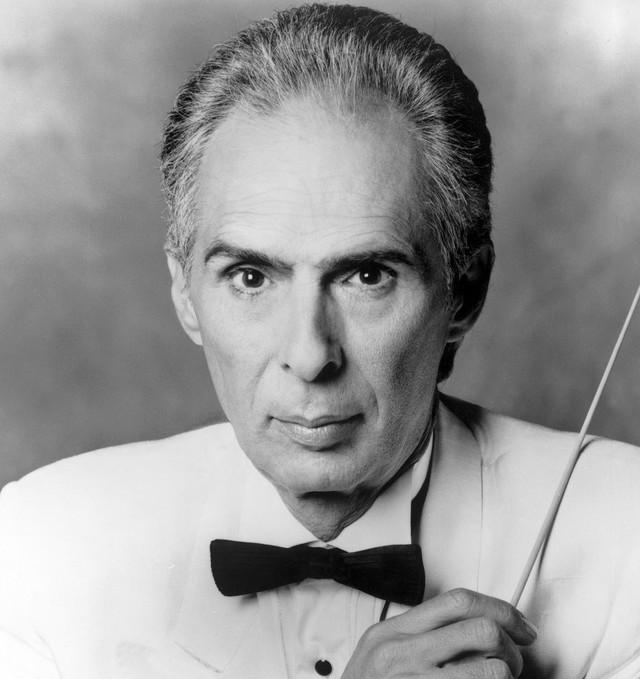
Bill Conti

Classical
Classical Crossover
Orchestral
 Viberate Rank: 22488
 Viberate Rank: 22488
 Monthly ListenersFollowers
 Subscribers
 Followers
 Followers
 FansTop Spotify Songs
| Track | 7-Day Streams | |
|---|---|---|
1 | 648.62K | |
2 | 463.45K | |
3 | 131.19K | |
4 | 104.92K | |
5 | 62.36K |
Top YouTube Videos| Video | 7-Day Views | |
|---|---|---|
1 | 38.20K | |
2 | 9.49K | |
3 | 2.45K | |
4 | 2.07K | |
5 | 1.47K |
Monthly ListenersFeatured in Playlists| Playlist | Followers | |
|---|---|---|
1 |  Oldies Best songs 80s, 70s, 60s / Throwbacks HITS / 💿 indiemono | 446.42K |
2 |  Rocky Training ALF | 445.55K |
3 |  Jock Jams Spotify | 389.77K |
4 |  Sad songs for tik tok edits GABRIELE | 314.08K |
5 |  Feel Good Songs 💛🌻💛 ErinEllisIsland | 292.90K |
Audience| City | Monthly Listeners | |
|---|---|---|
1 |  | 33.76K |
2 |  | 25.21K |
3 |  | 22.69K |
4 |  | 21.38K |
5 |  | 15.56K |
See full performance history, audience data, playlist activity, rankings, comparisons, and more in Viberate music analytics. Start with a free trial, then continue with a paid plan.
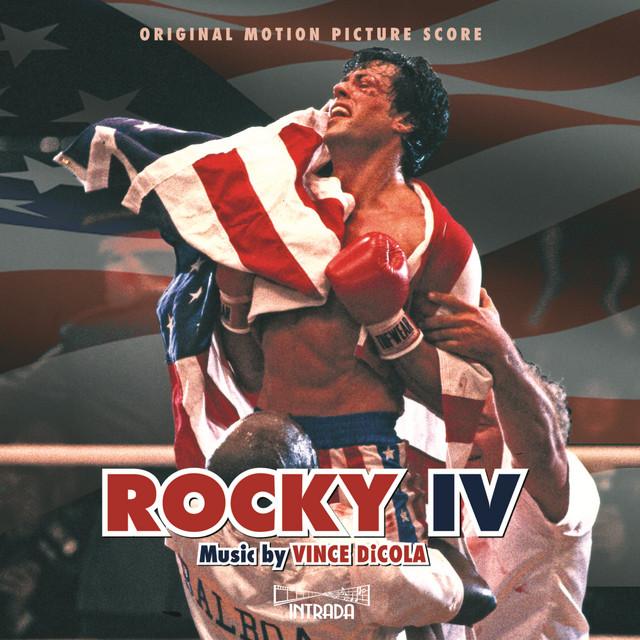
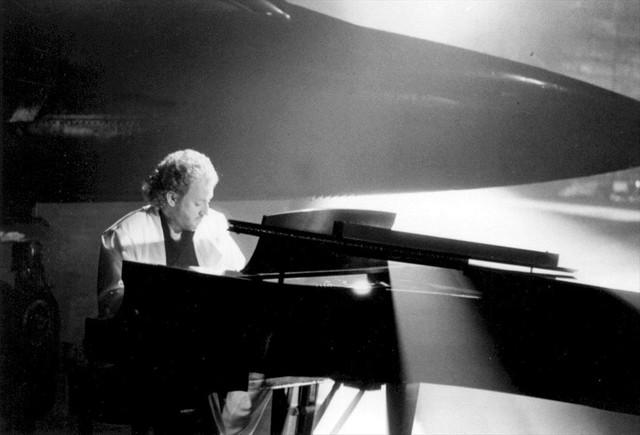
Bill Conti’s Spotify BioA prolific composer of film and television music, Bill Conti remains most closely associated with his work on the successful Rocky films. Born April 13, 1942 in Providence, Rhode Island, he learned piano from his father, and later took up the bassoon. While studying composition at Louisiana State University, Conti also performed with the school's symphony orchestra, spending his evenings playing jazz in area clubs; he subsequently earned his Master's degree from Julliard before relocating to Italy in 1967. There he first broke into films, composing and arranging music for productions including Juliette de Sade and Candidate Per un Assassino. In 1971 Conti scored Vittorio de Sica's Oscar-winning Il Giardino dei Finzi-Contini, bringing his music to the attention of international audiences; he subsequently returned to the U.S., where he composed the soundtracks for features including 1973's Blume in Love and 1974's Harry and Tonto.
Conti shot to fame in 1976 with his score for Rocky; the… soundtrack album went platinum, and the main theme, "Gonna Fly Now," topped the U.S. pop charts. Conti and star Sylvester Stallone subsequently reunited for chapters two, three and five in the Rocky series, as well as 1978's F.I.S.T. and Paradise Alley; in 1981 he scored the James Bond feature For Your Eyes Only, scoring a Top Five hit with the title track, sung by Sheena Easton. After two previous nominations, Conti won an Oscar in 1983 for his work on The Right Stuff; at about the same time he became a prolific composer of televison themes, writing music for series including Dallas, Falcon Crest, Cagney and Lacey and Lifestyles of the Rich and Famous. He also served as musical director for a number of Academy Awards telecasts, winning an Emmy for his work on the 1992 ceremony.
Viberate is a music analytics platform built for A&Rs, artist managers, labels, booking agents, marketers, and artists.
It helps music professionals track artist growth, analyze audience data, monitor playlist activity, compare artists, follow song performance, and identify opportunities across the music market.
Public artist pages provide a free preview of selected artist data. Paid plans provide access to deeper analytics, historical data, charts, comparisons, playlist tools, exports, alerts, reports, and additional professional features.
Yes. Public Viberate artist pages provide selected artist analytics and music data for free.
Viberate also offers a 7-day free trial of the full platform. A credit card is required to start the trial. The trial includes access to the complete product so users can test deeper artist analytics, historical views, playlist insights, comparisons, charts, exports, alerts, and reporting features before choosing a paid plan.
Viberate provides artist analytics across streaming, playlists, social media, video, radio airplay, songs, and audience markets.
Users can analyze Spotify performance, Spotify and Apple Music playlists, YouTube activity, TikTok and Instagram growth, radio spins, song performance, audience locations, demographics, rankings, and overall artist momentum.
Artist profiles also connect to music charts, similar artists, and comparison tools, helping users benchmark performance and evaluate artists in context.
Viberate updates key artist and track data daily.
For followed artists and tracks, selected data is refreshed multiple times per day. This helps teams monitor playlist changes, streaming movement, audience growth, releases, and campaign performance with more current data.
Update frequency can vary depending on the metric and data source.
Yes. Viberate lets users compare up to five artists side by side across streaming, social media, audience, and engagement metrics.
Users can compare fanbase growth, audience demographics, locations, Spotify performance, social metrics, and other artist data over selected time periods.
Artist comparison can be used for A&R scouting, benchmarking, booking decisions, campaign planning, and evaluating artists with similar audiences or market positions.