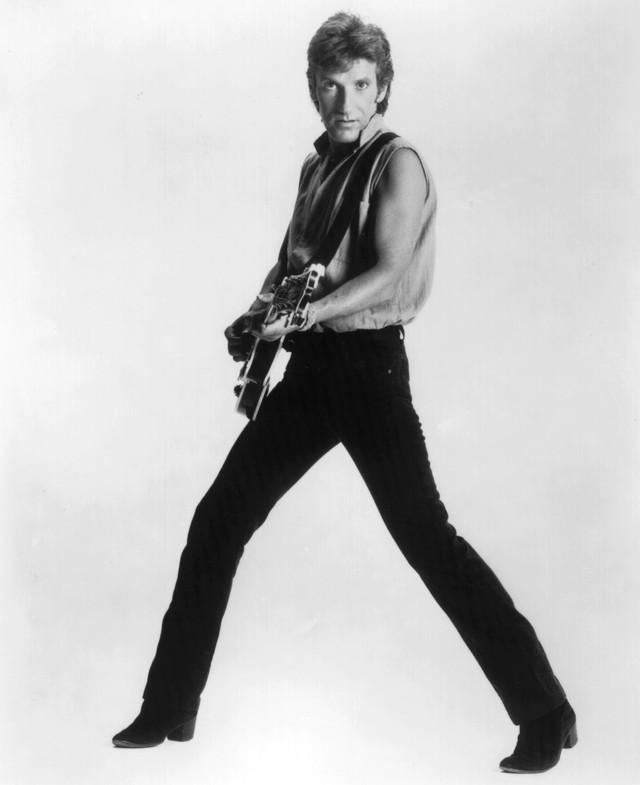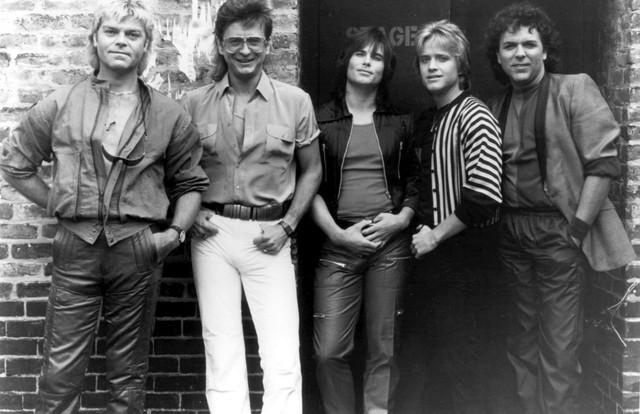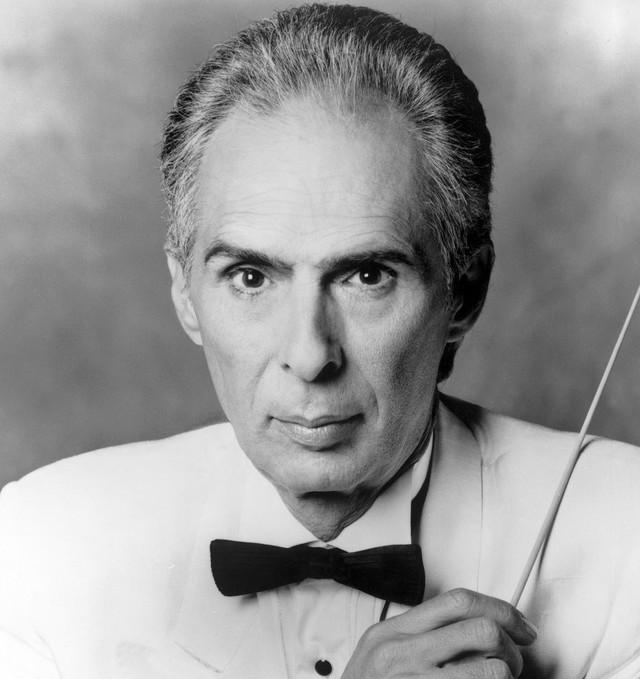
Robert Tepper

Rock
Pop Rock
Hard Rock
 Viberate Rank: 43963
 Viberate Rank: 43963
 Monthly ListenersFollowers
 Subscribers
 Followers
 Followers
 FansTop Spotify Songs
| Track | 7-Day Streams | |
|---|---|---|
1 | 496.15K | |
2 | 20.95K | |
3 | 6.59K | |
4 | 4.00K | |
5 | 2.39K |
Top YouTube VideosMonthly ListenersFeatured in Playlists| Playlist | Followers | |
|---|---|---|
1 |  Rocky Training ALF | 445.55K |
2 |  Fidi & Bumsi Spotify | 353.23K |
3 |  Anos 80 internacional. Só as melhores! Juliano Vasconcellos | 277.62K |
4 |  Gym Motivation 💪🏼 Old School 80s - 2026 🏛️ Beast Mode Music | 181.93K |
5 |  Rocky Balboa Motivation Goliath | 173.50K |
Audience| City | Monthly Listeners | |
|---|---|---|
1 |  | 22.07K |
2 |  | 18.46K |
3 |  | 15.89K |
4 |  | 12.60K |
5 |  | 10.33K |
See full performance history, audience data, playlist activity, rankings, comparisons, and more in Viberate music analytics. Start with a free trial, then continue with a paid plan.
Robert Tepper’s Spotify BioHailing from Bayonne, NJ, Robert Tepper began his career as a staff writer in New York City, eventually uniting with singer Benny Mardones, writing, and playing bass. With Mardones, Tepper co-wrote the inescapable "Into the Night," which not only hit number 11 and earned a Grammy nomination on its initial release in 1980, but re-charted again nearly a decade later. In 1985, Tepper moved to Los Angeles, signing a record deal with Scott Brothers. When Sylvester Stallone heard "There's No Easy Way Out," he chose to use it in the third sequel to his movie Rocky. The song was included on the Rocky IV soundtrack and with the movie, become one of the year's biggest hits and was issued as a single, climbing into the Top 30 in early 1986. It proceeded Tepper's debut, No Easy Way Out, but failed to retain the public's interest. One more single, "Don't Walk Away," made a meager showing, stalling in the lower reaches of the Hot 100. Modern Madness came with no notice two years later, followed by… Tepper separating from the label in protracted legal proceedings. He continued to write, although not matching his earlier successes, and spent time in Nashville. In 1996, Tepper culled together songs from the previous several years, issuing them as the set No Rest for the Wounded Heart. ~ Tom Demalon, Rovi
Viberate is a music analytics platform built for A&Rs, artist managers, labels, booking agents, marketers, and artists.
It helps music professionals track artist growth, analyze audience data, monitor playlist activity, compare artists, follow song performance, and identify opportunities across the music market.
Public artist pages provide a free preview of selected artist data. Paid plans provide access to deeper analytics, historical data, charts, comparisons, playlist tools, exports, alerts, reports, and additional professional features.
Yes. Public Viberate artist pages provide selected artist analytics and music data for free.
Viberate also offers a 7-day free trial of the full platform. A credit card is required to start the trial. The trial includes access to the complete product so users can test deeper artist analytics, historical views, playlist insights, comparisons, charts, exports, alerts, and reporting features before choosing a paid plan.
Viberate provides artist analytics across streaming, playlists, social media, video, radio airplay, songs, and audience markets.
Users can analyze Spotify performance, Spotify and Apple Music playlists, YouTube activity, TikTok and Instagram growth, radio spins, song performance, audience locations, demographics, rankings, and overall artist momentum.
Artist profiles also connect to music charts, similar artists, and comparison tools, helping users benchmark performance and evaluate artists in context.
Viberate updates key artist and track data daily.
For followed artists and tracks, selected data is refreshed multiple times per day. This helps teams monitor playlist changes, streaming movement, audience growth, releases, and campaign performance with more current data.
Update frequency can vary depending on the metric and data source.
Yes. Viberate lets users compare up to five artists side by side across streaming, social media, audience, and engagement metrics.
Users can compare fanbase growth, audience demographics, locations, Spotify performance, social metrics, and other artist data over selected time periods.
Artist comparison can be used for A&R scouting, benchmarking, booking decisions, campaign planning, and evaluating artists with similar audiences or market positions.