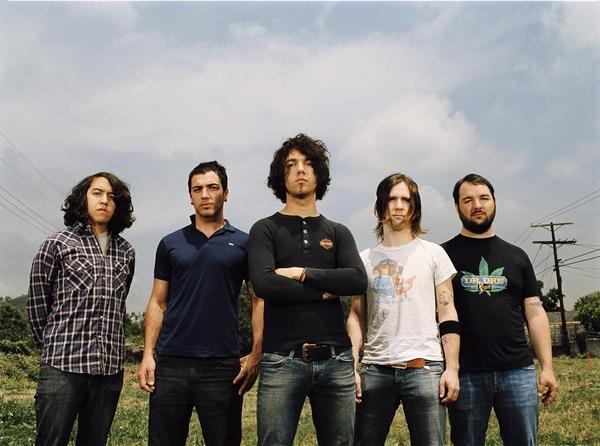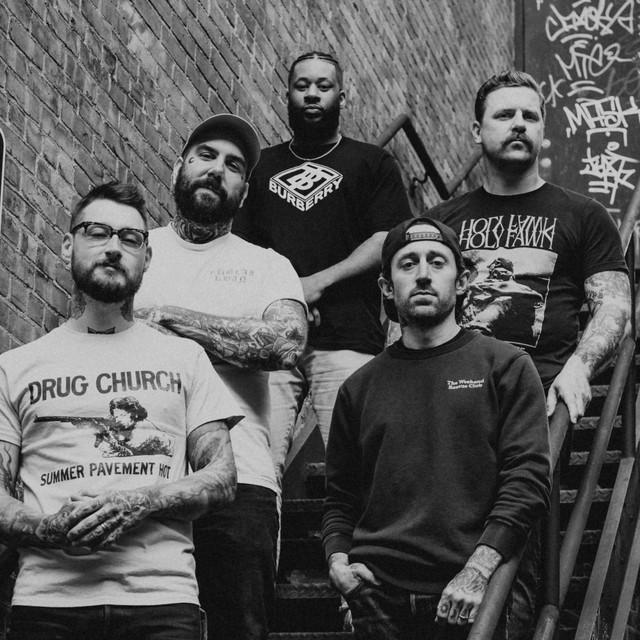
Vanna

Punk
Hardcore Punk
Post Hardcore
 Viberate Rank: 57364
 Viberate Rank: 57364
 Monthly ListenersFollowers
 Subscribers
 Followers
 Followers
 FansTop Spotify Songs
| Track | 7-Day Streams | |
|---|---|---|
1 | 37.31K | |
2 | 33.02K | |
3 | 10.32K | |
4 | 7.32K | |
5 | 6.38K |
Top YouTube Videos| Video | 7-Day Views | |
|---|---|---|
1 | 2.29K | |
2 | 309 | |
3 | 244 | |
4 | 166 | |
5 | 85 |
Monthly ListenersFeatured in Playlists| Playlist | Followers | |
|---|---|---|
1 |  Nik Nocturnal's Modern Metal Playlist Nik Nocturnal | 85.30K |
2 | sad metal songs. Sebastian Finta | 78.46K |
3 |  PolyJAMorous Viktor Fellbrink | 68.89K |
4 | Screamo/Post-Hardcore/Metalcore/Emocore Billy Storm | 31.91K |
5 |  New Retro Wave Francis Visaya | 31.48K |
Audience| City | Monthly Listeners | |
|---|---|---|
1 | | 2.33K |
2 | | 2.28K |
3 | | 2.10K |
4 | | 2.03K |
5 | | 1.91K |
See full performance history, audience data, playlist activity, rankings, comparisons, and more in Viberate music analytics. Start with a free trial, then continue with a paid plan.
Vanna’s Spotify BioBoston’s own Vanna is back. After years of silence, the original lineup (Chris Preece, Evan Pharmakis, Brandon Davis, Shawn Marquis, and Nicholas Lambert) has reunited to reclaim the sound, energy, and emotion that first put them on the map.
Formed in 2004, Vanna quickly made a name for themselves in the post-hardcore scene with their debut EP, The Search Party Never Came, and their first full-length, Curses, released via Epitaph Records. Their blend of melodic aggression, haunting melodies, and crushing intensity set them apart, earning them a devoted following and a place among New England’s most revered heavy acts.
Though the band evolved over the years with various lineup changes, each new chapter carried the Vanna name forward, until their farewell in 2017. But now it’s time to go back to where it all started. The original five are together once again, not just to honor the past, but to bring their music back to life in the present.
Viberate is a music analytics platform built for A&Rs, artist managers, labels, booking agents, marketers, and artists.
It helps music professionals track artist growth, analyze audience data, monitor playlist activity, compare artists, follow song performance, and identify opportunities across the music market.
Public artist pages provide a free preview of selected artist data. Paid plans provide access to deeper analytics, historical data, charts, comparisons, playlist tools, exports, alerts, reports, and additional professional features.
Yes. Public Viberate artist pages provide selected artist analytics and music data for free.
Viberate also offers a 7-day free trial of the full platform. A credit card is required to start the trial. The trial includes access to the complete product so users can test deeper artist analytics, historical views, playlist insights, comparisons, charts, exports, alerts, and reporting features before choosing a paid plan.
Viberate provides artist analytics across streaming, playlists, social media, video, radio airplay, songs, and audience markets.
Users can analyze Spotify performance, Spotify and Apple Music playlists, YouTube activity, TikTok and Instagram growth, radio spins, song performance, audience locations, demographics, rankings, and overall artist momentum.
Artist profiles also connect to music charts, similar artists, and comparison tools, helping users benchmark performance and evaluate artists in context.
Viberate updates key artist and track data daily.
For followed artists and tracks, selected data is refreshed multiple times per day. This helps teams monitor playlist changes, streaming movement, audience growth, releases, and campaign performance with more current data.
Update frequency can vary depending on the metric and data source.
Yes. Viberate lets users compare up to five artists side by side across streaming, social media, audience, and engagement metrics.
Users can compare fanbase growth, audience demographics, locations, Spotify performance, social metrics, and other artist data over selected time periods.
Artist comparison can be used for A&R scouting, benchmarking, booking decisions, campaign planning, and evaluating artists with similar audiences or market positions.