Greeley Estates

Metal
Metalcore/Deathcore
Post Hardcore
 Viberate Rank: 127183
 Viberate Rank: 127183
 Monthly ListenersFollowers
 Subscribers
 Followers
 Followers
 FansTop Spotify Songs
| Track | 7-Day Streams | |
|---|---|---|
1 | 8.36K | |
2 | 4.29K | |
3 | 1.86K | |
4 | 1.44K | |
5 | 1.28K |
Top YouTube VideosMonthly ListenersFeatured in Playlists| Playlist | Followers | |
|---|---|---|
1 |  Chaos Anthems Spotify | 541.41K |
2 | 2000's Emo & Pop Punk Jorden Z | 53.69K |
3 |  Post-Hardcore atruskot | 46.52K |
4 | 2000’s Screamo Dan | 33.79K |
5 | Screamo/Post-Hardcore/Metalcore/Emocore Billy Storm | 31.91K |
Audience| City | Monthly Listeners | |
|---|---|---|
1 | | 734 |
2 | | 698 |
3 | | 647 |
4 | | 620 |
5 | | 586 |
See full performance history, audience data, playlist activity, rankings, comparisons, and more in Viberate music analytics. Start with a free trial, then continue with a paid plan.
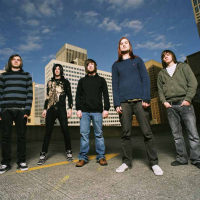
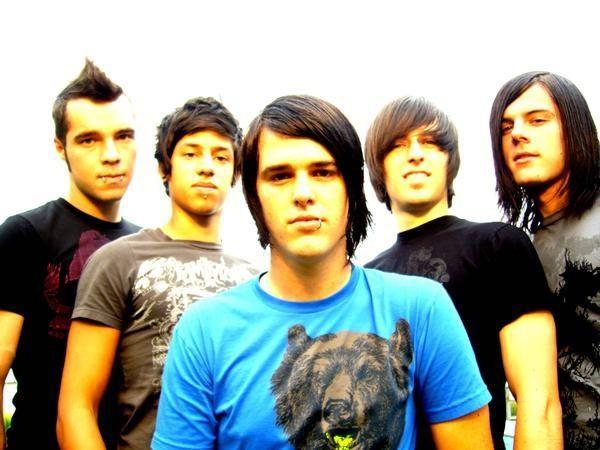
Greeley Estates’ Spotify BioPhoenix screamo outfit Greeley Estates formed in late 2002. A year after starting, the quintet -- vocalist Ryan Zimmerman, guitarist Dallas Smith, guitarist Brandon Hackenson, drummer Brian Champ, and bassist Josh Applebach -- was already building a cultlike following in and around its hometown with a slickly produced and self-released full-length, Outside of This. The group spent the next few years touring nonstop around the country and eventually found itself playing South by Southwest in Austin; in mid-2005 they inked a deal with Record Collection. Greeley Estates then co-headlined MySpace's fall tour, and released their EP, Caveat Emptor, in November 2005. The album highlighted the band's use of catchy melodies and intense vocals, together with a hardcore edge and positive attitude. In January 2006, the band went into the studio to record its second full-length before joining the Taste of Chaos tour alongside heavy-hitters like the Deftones, Thrice, and Story of the Year. A spring… nationwide headlining tour was completed before the resulting album, Far from the Lies, was issued in June. Summer was next spent on the road with Warped. Early in 2007, Applebach departed to return to school, and former Versus the Mirror bassist Brad Murray stepped in to permanently fill the void. ~ Corey Apar, Rovi
Viberate is a music analytics platform built for A&Rs, artist managers, labels, booking agents, marketers, and artists.
It helps music professionals track artist growth, analyze audience data, monitor playlist activity, compare artists, follow song performance, and identify opportunities across the music market.
Public artist pages provide a free preview of selected artist data. Paid plans provide access to deeper analytics, historical data, charts, comparisons, playlist tools, exports, alerts, reports, and additional professional features.
Yes. Public Viberate artist pages provide selected artist analytics and music data for free.
Viberate also offers a 7-day free trial of the full platform. A credit card is required to start the trial. The trial includes access to the complete product so users can test deeper artist analytics, historical views, playlist insights, comparisons, charts, exports, alerts, and reporting features before choosing a paid plan.
Viberate provides artist analytics across streaming, playlists, social media, video, radio airplay, songs, and audience markets.
Users can analyze Spotify performance, Spotify and Apple Music playlists, YouTube activity, TikTok and Instagram growth, radio spins, song performance, audience locations, demographics, rankings, and overall artist momentum.
Artist profiles also connect to music charts, similar artists, and comparison tools, helping users benchmark performance and evaluate artists in context.
Viberate updates key artist and track data daily.
For followed artists and tracks, selected data is refreshed multiple times per day. This helps teams monitor playlist changes, streaming movement, audience growth, releases, and campaign performance with more current data.
Update frequency can vary depending on the metric and data source.
Yes. Viberate lets users compare up to five artists side by side across streaming, social media, audience, and engagement metrics.
Users can compare fanbase growth, audience demographics, locations, Spotify performance, social metrics, and other artist data over selected time periods.
Artist comparison can be used for A&R scouting, benchmarking, booking decisions, campaign planning, and evaluating artists with similar audiences or market positions.