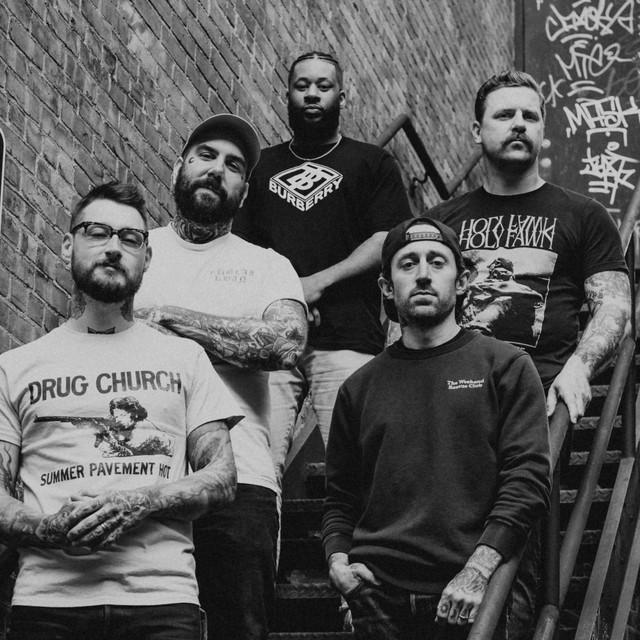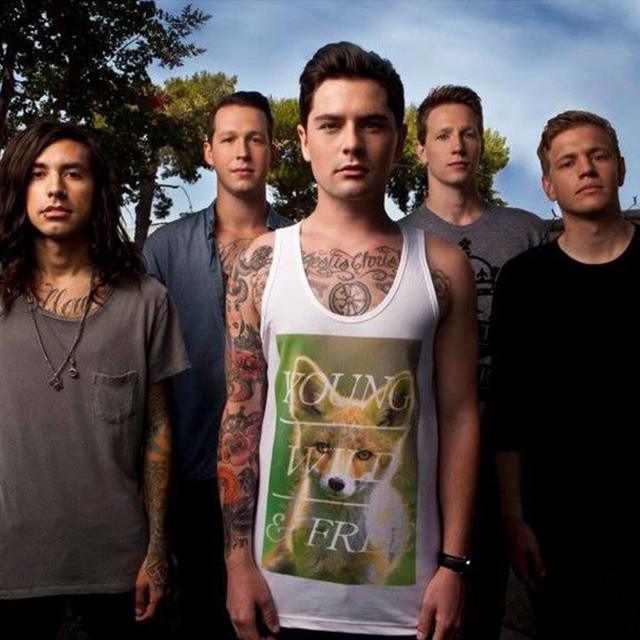
Drop Dead, Gorgeous

Punk
Hardcore Punk
Post Hardcore
Metalcore/Deathcore
 Viberate Rank: 89700
 Viberate Rank: 89700
 Monthly ListenersFollowers
 Subscribers
 Followers
 Followers
 FansTop Spotify Songs
| Track | 7-Day Streams | |
|---|---|---|
1 | 13.73K | |
2 | 12.59K | |
3 | 4.36K | |
4 | 2.90K | |
5 | 2.80K |
Top YouTube VideosMonthly ListenersFeatured in Playlists| Playlist | Followers | |
|---|---|---|
1 |  new nü Spotify | 135.90K |
2 | 2000's Emo & Pop Punk Jorden Z | 53.69K |
3 |  Emo Never Dies! Ghost Killer Entertainment | 49.36K |
4 |  Post-Hardcore atruskot | 46.52K |
5 | Screamo/Post-Hardcore/Metalcore/Emocore Billy Storm | 31.91K |
Audience| City | Monthly Listeners | |
|---|---|---|
1 | | 1.50K |
2 | | 1.42K |
3 | | 1.36K |
4 | | 1.18K |
5 | | 1.12K |
See full performance history, audience data, playlist activity, rankings, comparisons, and more in Viberate music analytics. Start with a free trial, then continue with a paid plan.
Drop Dead, Gorgeous’ Spotify BioDrop Dead, Gorgeous helped define a generation of post-hardcore with a chaotic, emotional edge that set them apart. “Where other bands regurgitated testosterone-tinged bro-rock, DDG made their mark by putting vulnerability into song,” wrote VICE. Bursting out of Denver as teenagers, they fused unhinged emotion, synth textures, and undeniable hooks into a theatrical, aggressive sound that inspired a wave of like-minded bands.
Their debut In Vogue (2006) became a Rise Records cornerstone. The band went on to work with iconic producers like Ross Robinson (Worse Than a Fairy Tale, 2007) and Matt Goldman (The Hot N’ Heavy, 2009), while touring globally with Warped Tour, The Used, and Rise Against. But by 2011, the whirlwind faded, and DDG disappeared.
Now, in 2025, Drop Dead, Gorgeous returns with their first new music in over a decade. Produced by Elliot Polokoff and mastered by Kris Crummett, “Six Feet” revives their signature mix of cinematic tension and raw power—not as nostalgia, but… evolution. Founding members Daniel “Stills” Stillman, Danny Cooper, and Jake Hansen reunite to write a new chapter: honest, sharpened, and very much alive.
Viberate is a music analytics platform built for A&Rs, artist managers, labels, booking agents, marketers, and artists.
It helps music professionals track artist growth, analyze audience data, monitor playlist activity, compare artists, follow song performance, and identify opportunities across the music market.
Public artist pages provide a free preview of selected artist data. Paid plans provide access to deeper analytics, historical data, charts, comparisons, playlist tools, exports, alerts, reports, and additional professional features.
Yes. Public Viberate artist pages provide selected artist analytics and music data for free.
Viberate also offers a 7-day free trial of the full platform. A credit card is required to start the trial. The trial includes access to the complete product so users can test deeper artist analytics, historical views, playlist insights, comparisons, charts, exports, alerts, and reporting features before choosing a paid plan.
Viberate provides artist analytics across streaming, playlists, social media, video, radio airplay, songs, and audience markets.
Users can analyze Spotify performance, Spotify and Apple Music playlists, YouTube activity, TikTok and Instagram growth, radio spins, song performance, audience locations, demographics, rankings, and overall artist momentum.
Artist profiles also connect to music charts, similar artists, and comparison tools, helping users benchmark performance and evaluate artists in context.
Viberate updates key artist and track data daily.
For followed artists and tracks, selected data is refreshed multiple times per day. This helps teams monitor playlist changes, streaming movement, audience growth, releases, and campaign performance with more current data.
Update frequency can vary depending on the metric and data source.
Yes. Viberate lets users compare up to five artists side by side across streaming, social media, audience, and engagement metrics.
Users can compare fanbase growth, audience demographics, locations, Spotify performance, social metrics, and other artist data over selected time periods.
Artist comparison can be used for A&R scouting, benchmarking, booking decisions, campaign planning, and evaluating artists with similar audiences or market positions.