Unwound

Rock
Indie Rock
Noise Rock
 Viberate Rank: 69458
 Viberate Rank: 69458
 Monthly ListenersFollowers
 Subscribers
 Followers
 Followers
 FansTop Spotify Songs
| Track | 7-Day Streams | |
|---|---|---|
1 | 24.35K | |
2 | 12.21K | |
3 | 11.69K | |
4 | 10.72K | |
5 | 9.44K |
Top YouTube VideosMonthly ListenersFeatured in Playlists| Playlist | Followers | |
|---|---|---|
1 |  failure loser core Stinky | 34.65K |
2 |  Numero Group 26 Numero Group | 32.95K |
3 |  The 500 Best Songs of the 2000s Pitchfork | 29.96K |
4 | The Best of Rock and Roll michael sprengel | 29.42K |
5 |  Early Emo Numero Group | 24.23K |
Audience| City | Monthly Listeners | |
|---|---|---|
1 | | 2.78K |
2 | | 2.56K |
3 | | 2.55K |
4 |  | 1.99K |
5 | | 1.88K |
See full performance history, audience data, playlist activity, rankings, comparisons, and more in Viberate music analytics. Start with a free trial, then continue with a paid plan.
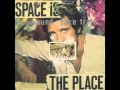
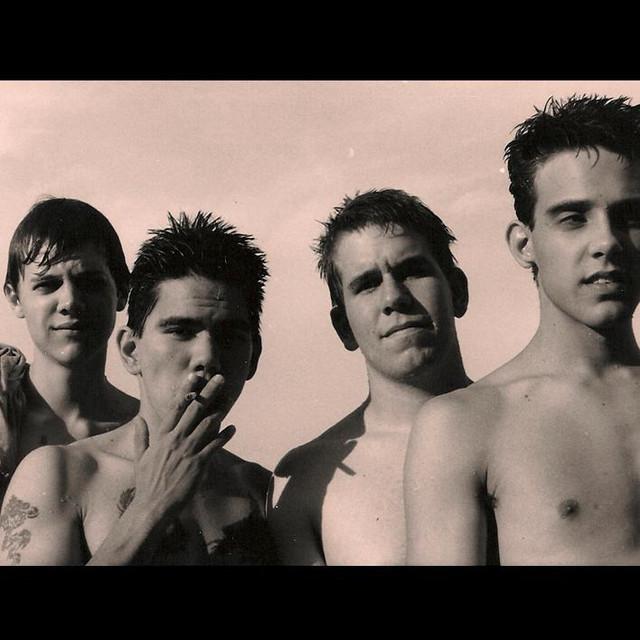
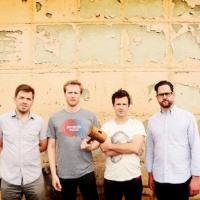
Unwound’s Spotify BioOlympia, Washington D.I.Y. punk trio Unwound developed their tumultuous and sublimely noisy sound in the shadows of the burgeoning grunge movement. Annexed to the less mainstream channels of indie releases, low-budget touring, and a circuit of basement and underground shows, Unwound still managed to create some of the more influential and lasting work of their era, with their cloudy post-hardcore moods and explosive group dynamics culminating in truly transcendent albums like 1993's wiry Fake Train and their more exploratory, home-recorded 2001 double album Leaves Turn Inside You. Unwound disbanded in 2002, but reunited 20 years later when renewed interest stirred demand for live performances from an audience who hadn't been able to see them the first time around.
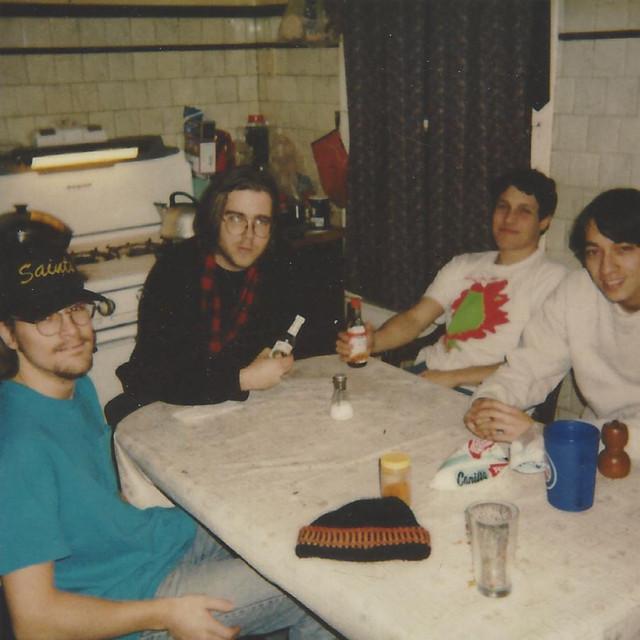
Unwound formed in 1991 and originally consisted of guitarist/vocalist Justin Trosper, bassist Vern Rumsey, and drummer Brandt Sandeno. The trio toiled for several years locally, recording two singles for Olympia-based label Ki…ll Rock Stars and one for Gravity Records before recording a full-length album in 1992. The album would be shelved until a few years later, primarily due to Sandeno's departure from the band shortly after its recording. Sandeno was replaced by former Witchy Poo member Sara Lund, who had recently migrated to Olympia from her home in Bloomington, Indiana. Lund's staccato rhythms and unique style gelled perfectly with Trosper's melancholic feedback squalls, and the band quickly set to work writing new material.
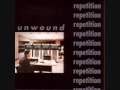
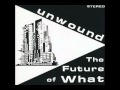
The first set of songs to materialize became 1993's Fake Train, the first Unwound album to actually see release, as well as the first full-length release on Kill Rock Stars, which had been issuing mostly 7"s up until then. Unwound's mixture of dreamy textural guitar haze and venomous punk catharsis caught on and they quickly set out on what would become years of constant touring, opting for all-ages shows as often as possible. Albums came quickly for much of the band's lifespan, including 1994's New Plastic Ideas, 1995's The Future of What, 1996's Repetition, and 1998's Challenge for a Civilized Society, as well as a slew of singles, EPs, and various side projects happening at the same time as the ever busy Unwound. In 1995, their growing popularity led to enough demand for their long-canned 1992 album with Sandeno to see its release on Rumsey's Punk in My Vitamins? label.
Unwound's constant creative output saw them incorporating more expansive ideas into what would be their last studio album, 2001's Leaves Turn Inside You, which took what had been stylistic flirtations with non-punk elements like synthesizers and free jazz saxophones on recent albums into more daring places of composition and production. For the subsequent tour, which lasted through 2002, the band expanded its lineup to include additional guitarist David Scott Stone, as well as bringing back original drummer Sandeno to play various instruments as specific songs required them.
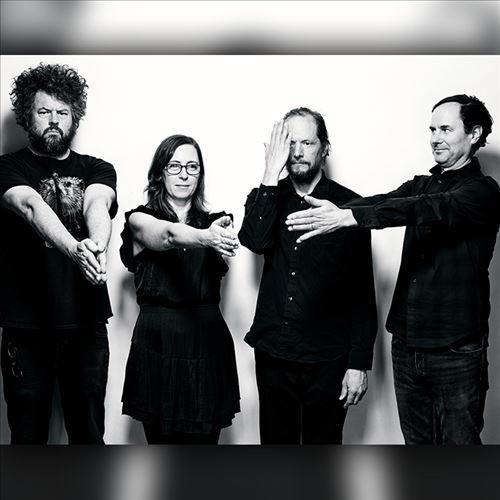
The band broke up on April 1, 2002, leaving behind enormous amounts of unreleased material that would trickle out in the years to come on various post-breakup releases such as 2012's Live Leaves, an album that presented recordings from various stops of their final tour. In 2013 the members of the band licensed their back catalog to the Numero Group, which set about work on a series of elaborate reissue box sets, each chronicling key periods in Unwound's development with extensive liner notes, unreleased material, and repackaging of their original albums. These sets began with 2013's Kid Is Gone, which collected the earliest, rawest demos, radio sessions, and singles the band had to offer from its basement days with Sandeno. Two more volumes arrived in 2014; Rat Conspiracy collected Fake Train, New Plastic Ideas, and singles released during their earliest days with Lund, and No Energy focused on the mid-'90s period that found the band offering The Future of What and Repetition. Numero Group closed out their Unwound reissue series in September 2015 with Empire, which collected Challenge for a Civilized Society and Leaves Turn Inside You, along with relevant singles, demos, and unreleased studio masters. Bassist Vern Rumsey died on August 6, 2020 at the age of 47. In 2022, Lund and Trosper re-formed Unwound with Karp bassist Jared Warren and keyboardist/guitarist Scott Seckington, who had collaborated with the founding Unwound members in the band Nocturnal Habits. In their newly reconfigured lineup, the band embarked on a tour in 2023. The following year, Numero Group continued their reissue campaign with a re-release of A Single History 1991-2001, a compilation of Unwound's non-album singles that expanded the concept of a similar compilation originally released in 1999 and which only included singles up until 1997. ~ Fred Thomas, Rovi
Viberate is a music analytics platform built for A&Rs, artist managers, labels, booking agents, marketers, and artists.
It helps music professionals track artist growth, analyze audience data, monitor playlist activity, compare artists, follow song performance, and identify opportunities across the music market.
Public artist pages provide a free preview of selected artist data. Paid plans provide access to deeper analytics, historical data, charts, comparisons, playlist tools, exports, alerts, reports, and additional professional features.
Yes. Public Viberate artist pages provide selected artist analytics and music data for free.
Viberate also offers a 7-day free trial of the full platform. A credit card is required to start the trial. The trial includes access to the complete product so users can test deeper artist analytics, historical views, playlist insights, comparisons, charts, exports, alerts, and reporting features before choosing a paid plan.
Viberate provides artist analytics across streaming, playlists, social media, video, radio airplay, songs, and audience markets.
Users can analyze Spotify performance, Spotify and Apple Music playlists, YouTube activity, TikTok and Instagram growth, radio spins, song performance, audience locations, demographics, rankings, and overall artist momentum.
Artist profiles also connect to music charts, similar artists, and comparison tools, helping users benchmark performance and evaluate artists in context.
Viberate updates key artist and track data daily.
For followed artists and tracks, selected data is refreshed multiple times per day. This helps teams monitor playlist changes, streaming movement, audience growth, releases, and campaign performance with more current data.
Update frequency can vary depending on the metric and data source.
Yes. Viberate lets users compare up to five artists side by side across streaming, social media, audience, and engagement metrics.
Users can compare fanbase growth, audience demographics, locations, Spotify performance, social metrics, and other artist data over selected time periods.
Artist comparison can be used for A&R scouting, benchmarking, booking decisions, campaign planning, and evaluating artists with similar audiences or market positions.