Polvo

Rock
Indie Rock
Math Rock
 Viberate Rank: 125104
 Viberate Rank: 125104
 Monthly ListenersFollowers
 Subscribers
 Followers
 Followers
 FansTop Spotify Songs
| Track | 7-Day Streams | |
|---|---|---|
1 | 6.59K | |
2 | 5.68K | |
3 | 4.98K | |
4 | 3.92K | |
5 | 3.67K |
Top YouTube VideosMonthly ListenersFeatured in Playlists| Playlist | Followers | |
|---|---|---|
1 | MATH ROCK CLASSICS Georgia | 37.23K |
2 |  failure loser core Stinky | 34.65K |
3 |  shoegaze essentials Heloísa | 33.14K |
4 | giant 90s alt/indie/etc playlist PART 1: 1990-1994 Aroon Karvna | 22.13K |
5 |  WonkoFM WonkoTheSane | 21.06K |
Audience| City | Monthly Listeners | |
|---|---|---|
1 | | 1.40K |
2 | | 1.31K |
3 | | 1.30K |
4 | | 966 |
5 | | 937 |
See full performance history, audience data, playlist activity, rankings, comparisons, and more in Viberate music analytics. Start with a free trial, then continue with a paid plan.
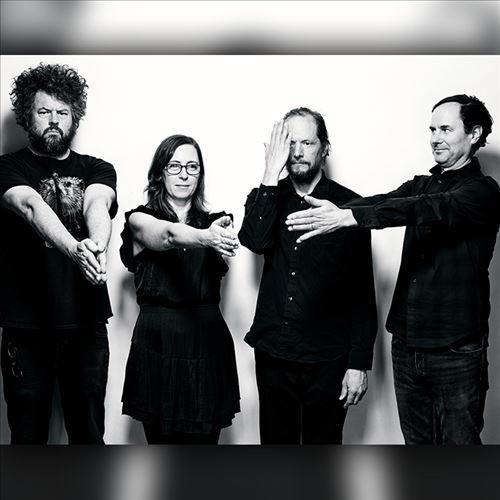
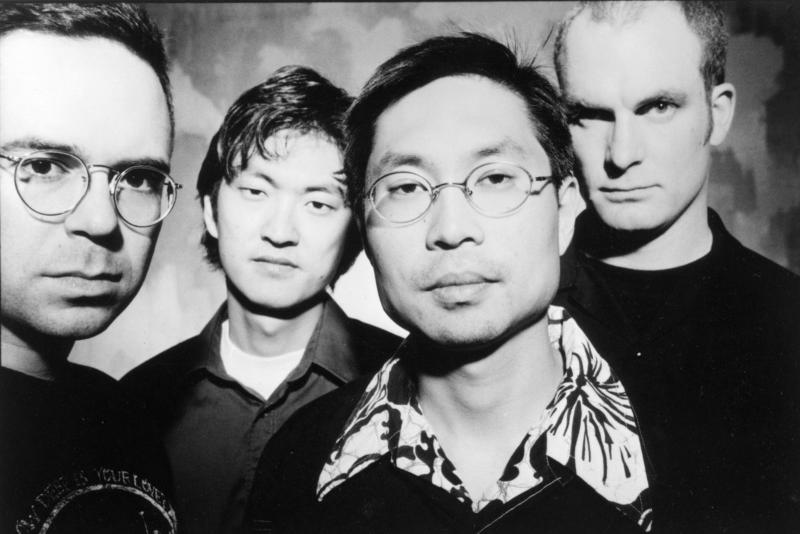
Polvo’s Spotify BioOne of the most popular and accomplished bands in the arty, noisy indie rock offshoot dubbed math rock, Polvo touched on many of the genre's hallmarks: dissonant, intricately layered guitars that often employed alternate tunings; odd, off-kilter rhythms; an emphasis on dense sonic texture; and unorthodox song structures that, nonetheless, were often unconventionally melodic. Additionally, their music had a pronounced Eastern feel that came not only from the Indian and Middle Eastern-style drones in their compositions, but actual Asian instruments as well. The combination helped set them apart from other post-Sonic Youth/Slint guitar experimentalists.
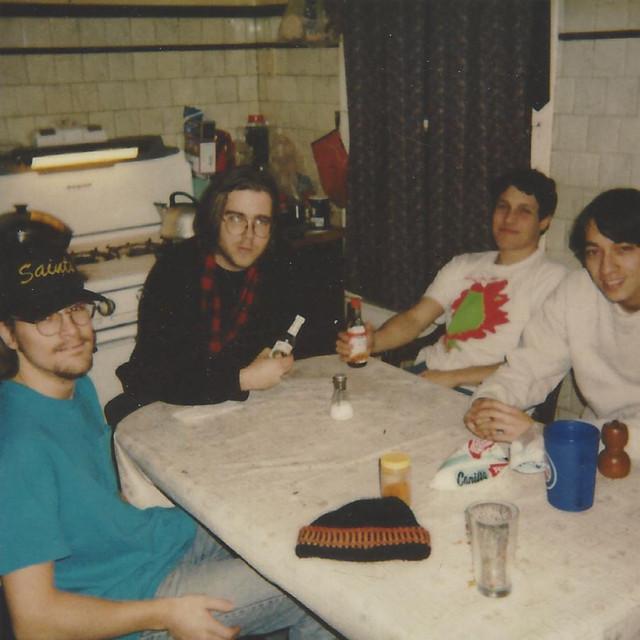
Polvo formed in 1990 in Chapel Hill, NC, a college town that housed one of the more fertile and eclectic indie scenes of the '90s. The band's lineup consisted of vocalists/guitarists Ash Bowie and Dave Brylawski, bassist Steve Popson, and drummer Eddie Watkins. Bowie and Brylawski met in a Spanish class at the University of North Carolina,… and discovered a mutual admiration for both the SST roster and the progressive end of the classic rock spectrum. Although an erratic live presence at first, the band earned a strong local following and released the seven-song double-7" Can I Ride on Kitchen Puff in 1991. (The record was later reissued as Polvo.) They subsequently signed with the Chapel Hill-based indie label Merge -- run by Superchunk's Mac McCaughan, a high-school classmate of Brylawski and Popson -- and issued their debut album, Cor-Crane Secret, in 1992. Reviews were mostly favorable, and -- propelled by tours with Superchunk and Babes in Toyland -- the band garnered a devoted cult audience that remained fairly steady throughout its existence. Today's Active Lifestyles followed in 1993, refining the group's approach, and it was followed in turn by two EPs, 1994's Celebrate the New Dark Age and 1995's This Eclipse.
Polvo subsequently switched to the Chicago-based Touch & Go label, which was more associated with challenging, noisy guitar rock than Merge. Their debut for the label was 1996's double-length Exploded Drawing, an eclectic, progressive effort that began to delve more explicitly into the guitarists' fascination with Asian musics. Drummer Watkins left the band afterward and was replaced by Brian Walsby. The rest of the group was beginning to drift apart as well; Brylawski moved to New York City to play with Asian musicians (and also traveled to India), while Bowie started dating Helium frontwoman Mary Timony and relocated to Boston to play bass with her band. Polvo reconvened in 1997 to record Shapes, and rumors that it would be their final album proved true when they amicably disbanded later that year.
Bowie had been creating homemade four-track recordings of material that wasn't quite right for Polvo, and he eventually turned it into a solo project. Adopting the name Libraness, he debuted with Yesterday...and Tomorrow's Shells in 2000 on the Tiger Style label. Brylawski, meanwhile, joined the North Carolina-based, world-inflected trio Idyll Swords, which released two albums on Communion. Polvo ultimately reunited in 2008, however, ending a decade-long hiatus with a performance at the 2008 All Tomorrow's Parties festival. Following that show, the bandmates continued working together, and 2009 found them releasing their fifth studio album with In Prism. They followed their hiatus-breaking comeback album four years later with 2013's Siberia. ~ Steve Huey, Rovi
Viberate is a music analytics platform built for A&Rs, artist managers, labels, booking agents, marketers, and artists.
It helps music professionals track artist growth, analyze audience data, monitor playlist activity, compare artists, follow song performance, and identify opportunities across the music market.
Public artist pages provide a free preview of selected artist data. Paid plans provide access to deeper analytics, historical data, charts, comparisons, playlist tools, exports, alerts, reports, and additional professional features.
Yes. Public Viberate artist pages provide selected artist analytics and music data for free.
Viberate also offers a 7-day free trial of the full platform. A credit card is required to start the trial. The trial includes access to the complete product so users can test deeper artist analytics, historical views, playlist insights, comparisons, charts, exports, alerts, and reporting features before choosing a paid plan.
Viberate provides artist analytics across streaming, playlists, social media, video, radio airplay, songs, and audience markets.
Users can analyze Spotify performance, Spotify and Apple Music playlists, YouTube activity, TikTok and Instagram growth, radio spins, song performance, audience locations, demographics, rankings, and overall artist momentum.
Artist profiles also connect to music charts, similar artists, and comparison tools, helping users benchmark performance and evaluate artists in context.
Viberate updates key artist and track data daily.
For followed artists and tracks, selected data is refreshed multiple times per day. This helps teams monitor playlist changes, streaming movement, audience growth, releases, and campaign performance with more current data.
Update frequency can vary depending on the metric and data source.
Yes. Viberate lets users compare up to five artists side by side across streaming, social media, audience, and engagement metrics.
Users can compare fanbase growth, audience demographics, locations, Spotify performance, social metrics, and other artist data over selected time periods.
Artist comparison can be used for A&R scouting, benchmarking, booking decisions, campaign planning, and evaluating artists with similar audiences or market positions.