Union 13

Punk
Punk Rock
Skate Punk
 Viberate Rank: 215801
 Viberate Rank: 215801
 Monthly ListenersFollowers
 Subscribers
 Followers
 Followers
 FansTop Spotify Songs
| Track | 7-Day Streams | |
|---|---|---|
1 | 762 | |
2 | 669 | |
3 | 620 | |
4 | 536 | |
5 | 360 |
Top YouTube VideosMonthly ListenersFeatured in Playlists| Playlist | Followers | |
|---|---|---|
1 |  Punk-O-Rama 1-10 CptFuzzball | 23.21K |
2 | The ULTIMATE Skate Punk and Punk Rock Playlist Pizza with Film | 12.95K |
3 | 90s Skate Punk Sascha | 8.97K |
4 |  PUNK ROCK sebastien.gautier | 8.46K |
5 | Punkorama 1-10 Pat Agnew | 6.42K |
Audience| City | Monthly Listeners | |
|---|---|---|
1 | | 372 |
2 |  | 336 |
3 |  | 205 |
4 |  | 100 |
5 | | 89 |
See full performance history, audience data, playlist activity, rankings, comparisons, and more in Viberate music analytics. Start with a free trial, then continue with a paid plan.
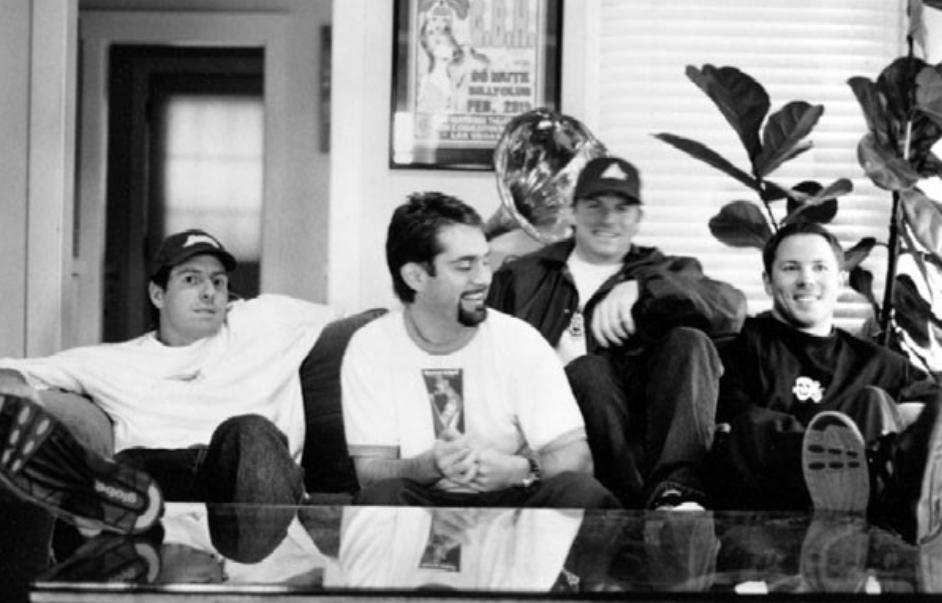
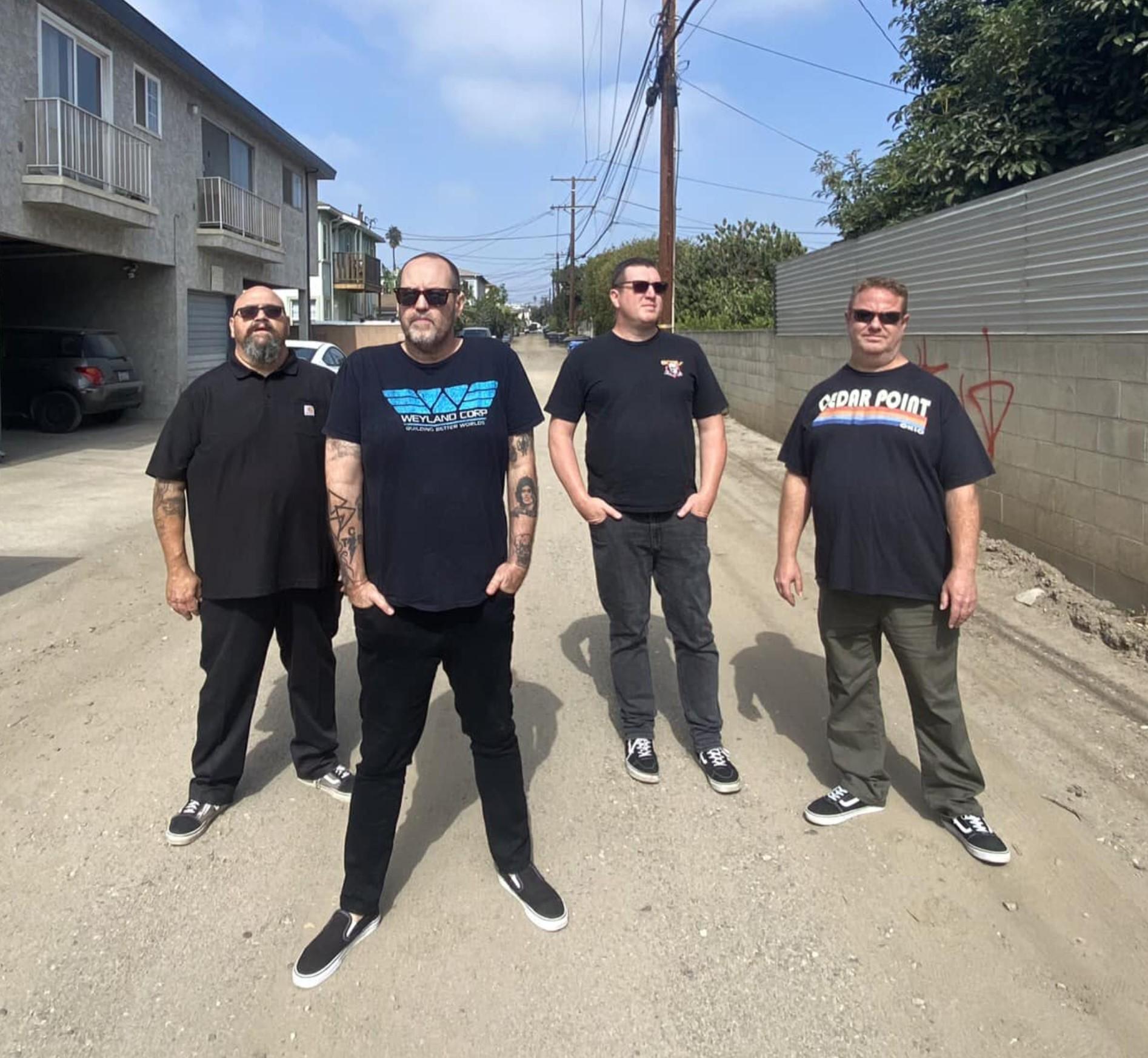
Union 13’s Spotify BioNot to be confused with hard rockers Union, Union 13 is a Latino punk band that came out of East Los Angeles' vibrant alternative rock scene of the '90s. The members of the bilingual outfit, which alternates between English and Spanish lyrics, were only in their teens when they formed Union 13 in 1992 and started playing backyard parties on L.A.'s heavily Latino East Side. Local gigs helped Union 13 members Edward Escoto (lead vocals), José Mercado (guitar), Ben Sandoval (guitar), Gerardo Navarro (bass), and Louie Villareal (drums) gain a small local following, and in the mid '90s, the band came to the attention of an intern at Epitaph Records. Impressed by Union 13's live performances, the intern introduced the five members to Epitaph's president and owner Brett Gurewitz. Formerly the guitarist for Bad Religion, Gurewitz shared the intern's enthusiasm and signed Union 13 to his label in 1996. Epitaph released East Los Presents Union 13, the band's debut album, in 1997; Why Are We… Destroying Ourselves? was released in 1998. Youth, Betrayal and the Awakening followed in mid-2000, and found the band down to trio status after the departure of Navarro and Sandoval. Touring followed in support, but as the guys later sat down for their next album, Escoto made his exit. Instead of recruiting a replacement, Mercado simply stepped up and took main vocal duties over, while Rudy Ramos joined in on bass. This slightly altered lineup (Villareal was still manning drums) produced 2003's Symptoms of Humanity, released through Disaster Records. ~ Alex Henderson, Rovi
Viberate is a music analytics platform built for A&Rs, artist managers, labels, booking agents, marketers, and artists.
It helps music professionals track artist growth, analyze audience data, monitor playlist activity, compare artists, follow song performance, and identify opportunities across the music market.
Public artist pages provide a free preview of selected artist data. Paid plans provide access to deeper analytics, historical data, charts, comparisons, playlist tools, exports, alerts, reports, and additional professional features.
Yes. Public Viberate artist pages provide selected artist analytics and music data for free.
Viberate also offers a 7-day free trial of the full platform. A credit card is required to start the trial. The trial includes access to the complete product so users can test deeper artist analytics, historical views, playlist insights, comparisons, charts, exports, alerts, and reporting features before choosing a paid plan.
Viberate provides artist analytics across streaming, playlists, social media, video, radio airplay, songs, and audience markets.
Users can analyze Spotify performance, Spotify and Apple Music playlists, YouTube activity, TikTok and Instagram growth, radio spins, song performance, audience locations, demographics, rankings, and overall artist momentum.
Artist profiles also connect to music charts, similar artists, and comparison tools, helping users benchmark performance and evaluate artists in context.
Viberate updates key artist and track data daily.
For followed artists and tracks, selected data is refreshed multiple times per day. This helps teams monitor playlist changes, streaming movement, audience growth, releases, and campaign performance with more current data.
Update frequency can vary depending on the metric and data source.
Yes. Viberate lets users compare up to five artists side by side across streaming, social media, audience, and engagement metrics.
Users can compare fanbase growth, audience demographics, locations, Spotify performance, social metrics, and other artist data over selected time periods.
Artist comparison can be used for A&R scouting, benchmarking, booking decisions, campaign planning, and evaluating artists with similar audiences or market positions.