98 Mute

Punk
Punk Rock
Skate Punk
 Viberate Rank: 289390
 Viberate Rank: 289390
 Monthly ListenersFollowers
 Subscribers
 Followers
 Followers
 FansTop Spotify Songs
| Track | 7-Day Streams | |
|---|---|---|
1 | 1.30K | |
2 | 456 | |
3 | 266 | |
4 | 240 | |
5 | 232 |
Top YouTube VideosMonthly ListenersFeatured in Playlists| Playlist | Followers | |
|---|---|---|
1 |  Punk-O-Rama 1-10 CptFuzzball | 23.21K |
2 | Gym Junkies Alina Pipchenko | 11.04K |
3 |  PUNK ROCK sebastien.gautier | 8.46K |
4 |  90's Punk - Best of the best chazzwazzle | 7.01K |
5 | Punkorama 1-10 Pat Agnew | 6.42K |
Audience| City | Monthly Listeners | |
|---|---|---|
1 |  | 159 |
2 | | 147 |
3 |  | 125 |
4 |  | 114 |
5 | | 102 |
See full performance history, audience data, playlist activity, rankings, comparisons, and more in Viberate music analytics. Start with a free trial, then continue with a paid plan.
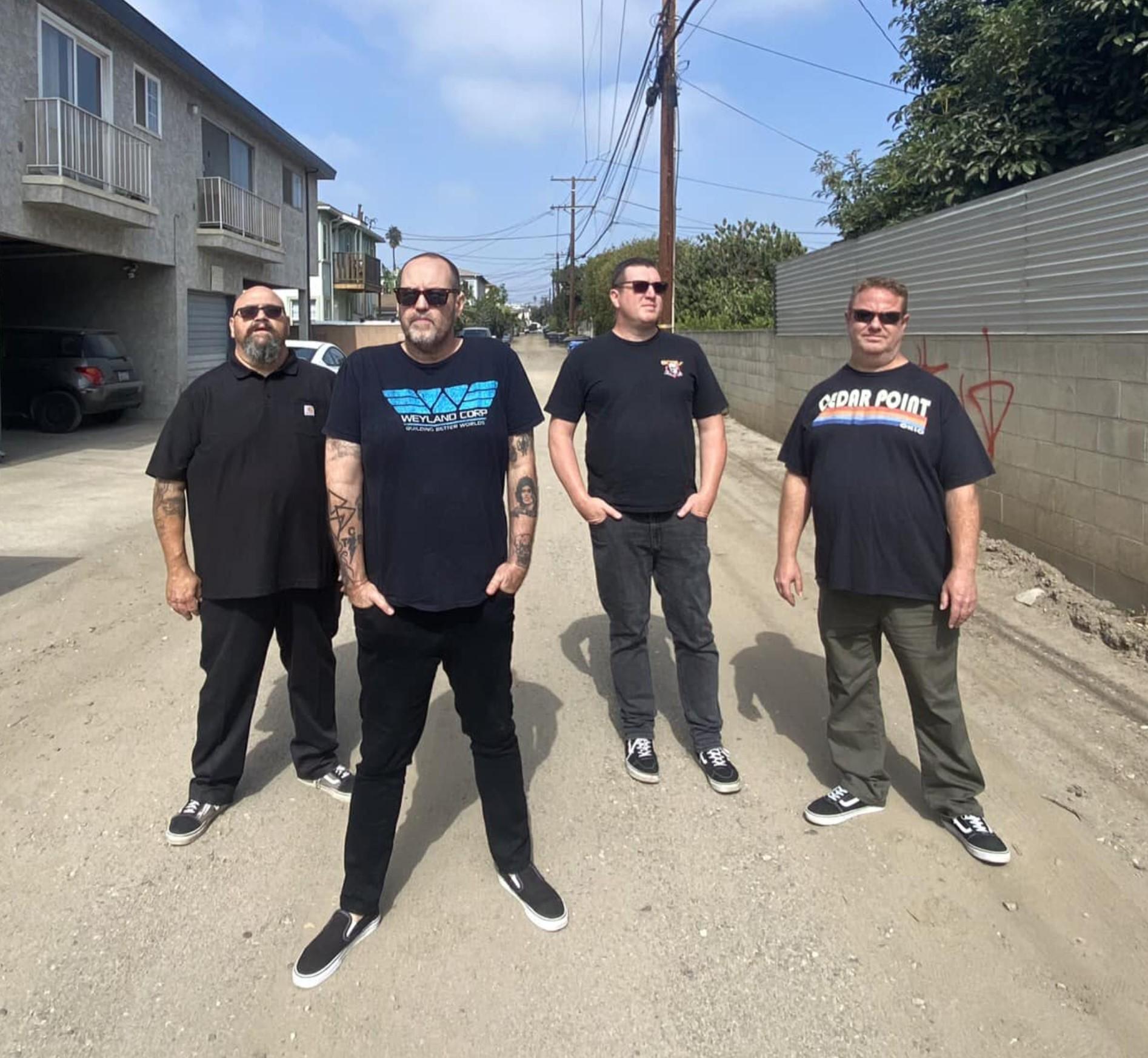
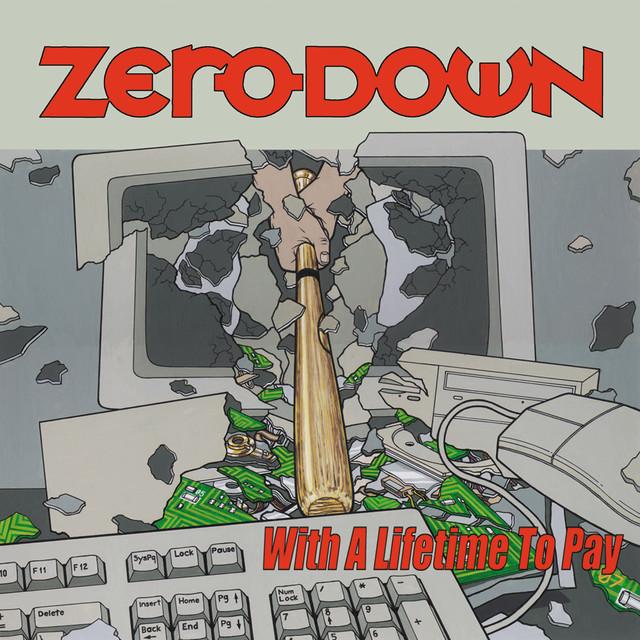
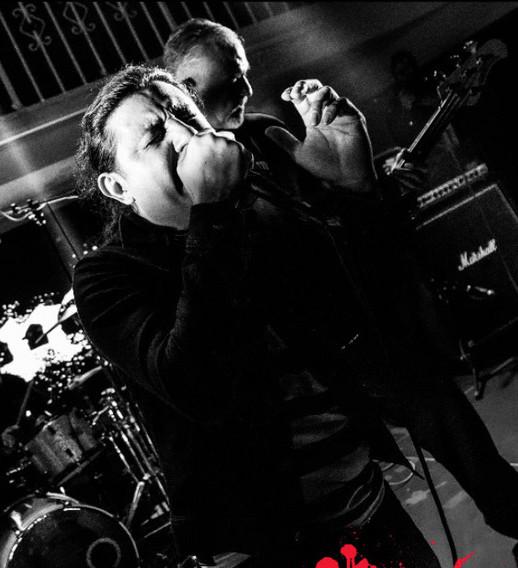
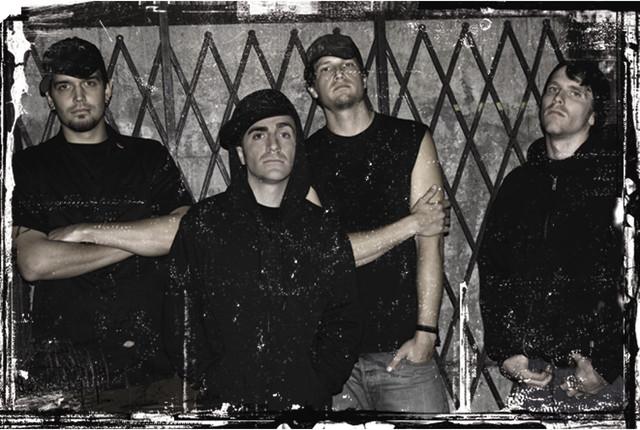
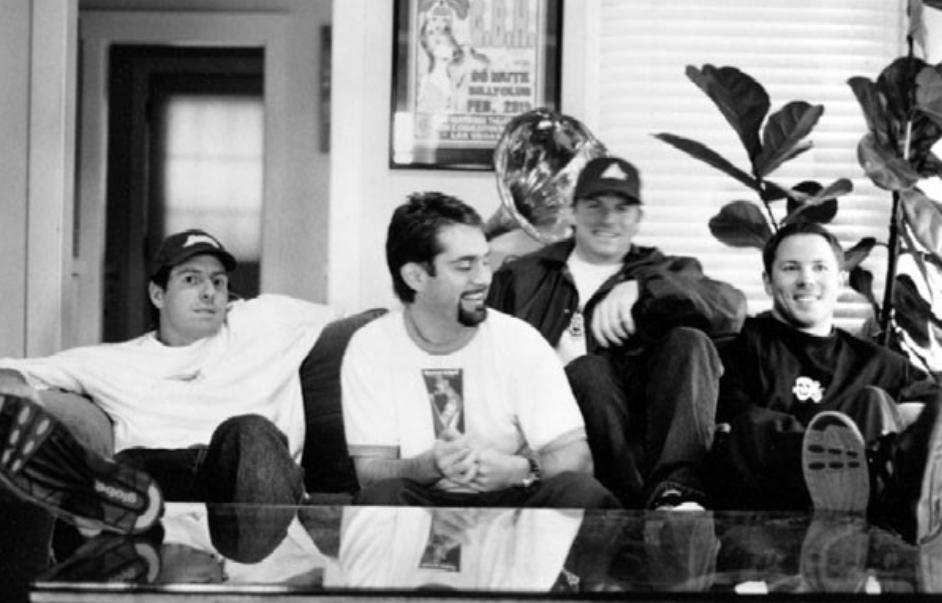
98 Mute’s Spotify BioWith the aggressive presence of Black Flag, Circle Jerks and Agent Orange combined with the speed and agility of Pennywise and Bad Religion, 98 Mute contributed another chapter to the Hermosa Beach, CA punk rock history book upon their 1994 formation. With melodic undertones accompanying their break neck speed and personal lyrics, Theologian Records took recognition within two years of their first show and released their self-titled first album in 1996. Following a tour with the likes of Blink-182 and Pennywise in 1997, Jason (guitar), Doug (bass), Justin (drums) and Pat (singer) found their band contributing to various California punk compilations and skate videos; including 1997's Good Times and the soundtrack for The Show. By 1998, 98 Mute continued their relationship with Theologian Records and followed through with their second album, Class of 98. Slow Motion Riot followed in mid-2000. ~ Mike DaRonco, Rovi
Viberate is a music analytics platform built for A&Rs, artist managers, labels, booking agents, marketers, and artists.
It helps music professionals track artist growth, analyze audience data, monitor playlist activity, compare artists, follow song performance, and identify opportunities across the music market.
Public artist pages provide a free preview of selected artist data. Paid plans provide access to deeper analytics, historical data, charts, comparisons, playlist tools, exports, alerts, reports, and additional professional features.
Yes. Public Viberate artist pages provide selected artist analytics and music data for free.
Viberate also offers a 7-day free trial of the full platform. A credit card is required to start the trial. The trial includes access to the complete product so users can test deeper artist analytics, historical views, playlist insights, comparisons, charts, exports, alerts, and reporting features before choosing a paid plan.
Viberate provides artist analytics across streaming, playlists, social media, video, radio airplay, songs, and audience markets.
Users can analyze Spotify performance, Spotify and Apple Music playlists, YouTube activity, TikTok and Instagram growth, radio spins, song performance, audience locations, demographics, rankings, and overall artist momentum.
Artist profiles also connect to music charts, similar artists, and comparison tools, helping users benchmark performance and evaluate artists in context.
Viberate updates key artist and track data daily.
For followed artists and tracks, selected data is refreshed multiple times per day. This helps teams monitor playlist changes, streaming movement, audience growth, releases, and campaign performance with more current data.
Update frequency can vary depending on the metric and data source.
Yes. Viberate lets users compare up to five artists side by side across streaming, social media, audience, and engagement metrics.
Users can compare fanbase growth, audience demographics, locations, Spotify performance, social metrics, and other artist data over selected time periods.
Artist comparison can be used for A&R scouting, benchmarking, booking decisions, campaign planning, and evaluating artists with similar audiences or market positions.