Ultraspank

Metal
Alternative Metal
Nu Metal
 Viberate Rank: 208346
 Viberate Rank: 208346
 Monthly ListenersFollowers
 Subscribers
 Followers
 Followers
 FansTop YouTube VideosMonthly ListenersFeatured in Playlists
| Playlist | Followers | |
|---|---|---|
1 | Bible of Nu-Metal/alternatif Grunt | 15.47K |
2 |  War on Terror Peyton MFO | 14.85K |
3 |  ATV Offroad Fury Soundtrack Veston | 8.13K |
4 | 90s and 2000s hard rock Just_Cole | 7.55K |
5 |  nu metal // mall goth l!na | 6.60K |
Audience| City | Monthly Listeners | |
|---|---|---|
1 | | 360 |
2 | | 295 |
3 |  | 286 |
4 |  | 286 |
5 | | 263 |
See full performance history, audience data, playlist activity, rankings, comparisons, and more in Viberate music analytics. Start with a free trial, then continue with a paid plan.
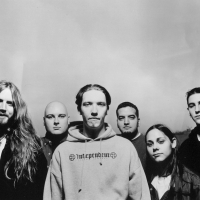
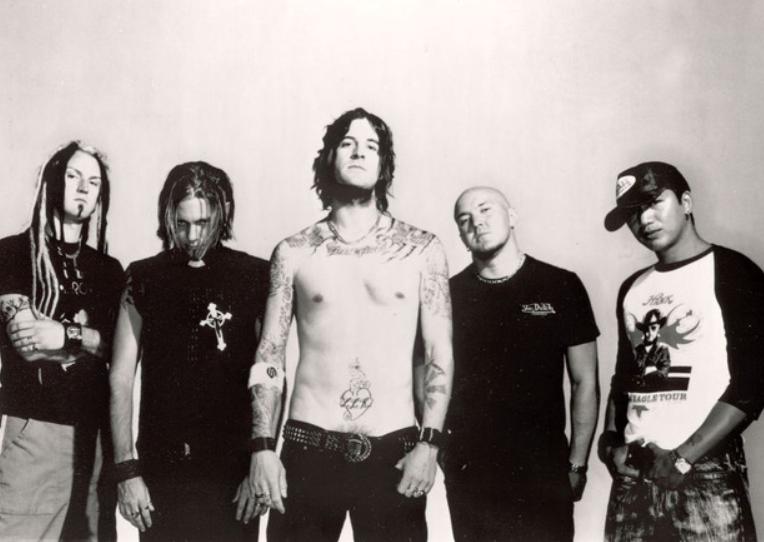
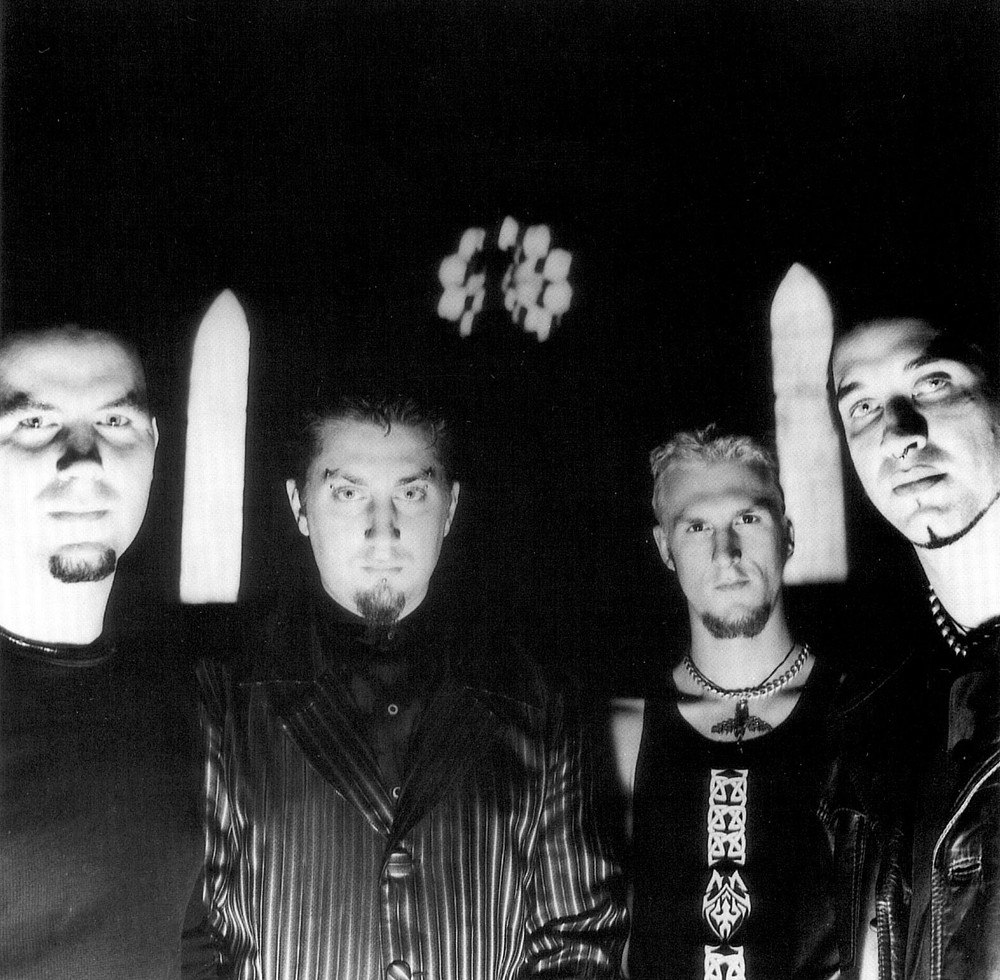
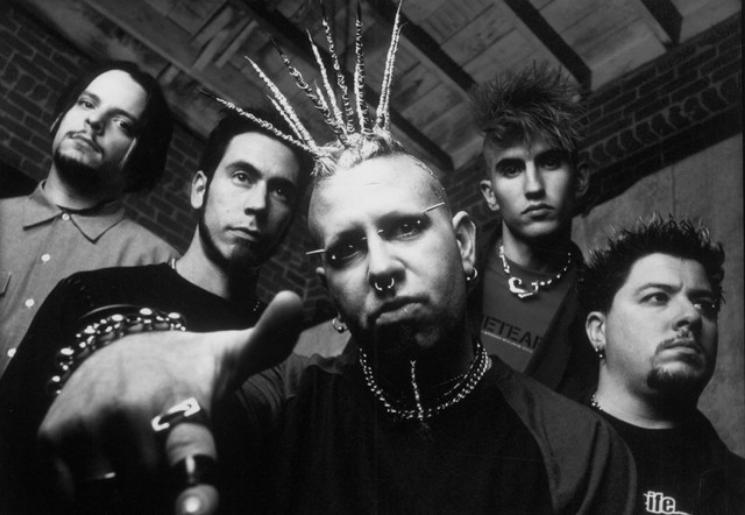
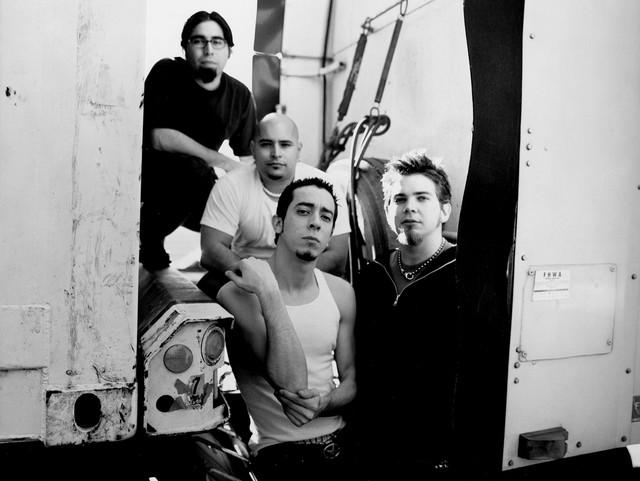
Ultraspank’s Spotify BioCalifornia's alt-metal quintet Ultraspank originally consisted of Jerry Oliviera (guitars), Dan Ogden (bass), Pete Murray (vocals/programming), Neil Godfrey (guitars/programming), and Tyler Clark (drums). The group formed out of the ashes of Clark, Ogden, and Murray's early '90s speed metal band Indica, which became MTV's Best College Rock Band in 1992. By 1995, they had rechristened themselves Spank, added Godfrey and Oliviera, and begun writing more groove-oriented rock. Due to copyright conflicts, Spank became Ultraspank when they signed to Epic in 1996. They released their self-titled debut album in 1998 and appeared with Sevendust, Soulfly, Incubus, Korn, and Rob Zombie, as well as earning a spot on that year's OzzFest tour. Despite this extensive roadwork, however, the album failed to chart. Clark left the band and was replaced by James "Fed" Carroll. Ultraspank's second album, Progress, appeared in May 2000, as they played gigs with Static-X and Slipknot. ~ Heather Phares, Rovi
Viberate is a music analytics platform built for A&Rs, artist managers, labels, booking agents, marketers, and artists.
It helps music professionals track artist growth, analyze audience data, monitor playlist activity, compare artists, follow song performance, and identify opportunities across the music market.
Public artist pages provide a free preview of selected artist data. Paid plans provide access to deeper analytics, historical data, charts, comparisons, playlist tools, exports, alerts, reports, and additional professional features.
Yes. Public Viberate artist pages provide selected artist analytics and music data for free.
Viberate also offers a 7-day free trial of the full platform. A credit card is required to start the trial. The trial includes access to the complete product so users can test deeper artist analytics, historical views, playlist insights, comparisons, charts, exports, alerts, and reporting features before choosing a paid plan.
Viberate provides artist analytics across streaming, playlists, social media, video, radio airplay, songs, and audience markets.
Users can analyze Spotify performance, Spotify and Apple Music playlists, YouTube activity, TikTok and Instagram growth, radio spins, song performance, audience locations, demographics, rankings, and overall artist momentum.
Artist profiles also connect to music charts, similar artists, and comparison tools, helping users benchmark performance and evaluate artists in context.
Viberate updates key artist and track data daily.
For followed artists and tracks, selected data is refreshed multiple times per day. This helps teams monitor playlist changes, streaming movement, audience growth, releases, and campaign performance with more current data.
Update frequency can vary depending on the metric and data source.
Yes. Viberate lets users compare up to five artists side by side across streaming, social media, audience, and engagement metrics.
Users can compare fanbase growth, audience demographics, locations, Spotify performance, social metrics, and other artist data over selected time periods.
Artist comparison can be used for A&R scouting, benchmarking, booking decisions, campaign planning, and evaluating artists with similar audiences or market positions.