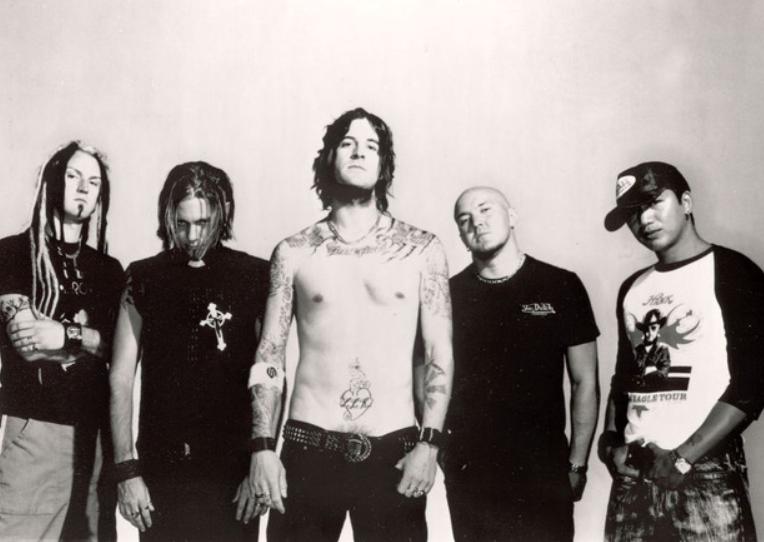
Skrape

Metal
Alternative Metal
Nu Metal
 Viberate Rank: 182686
 Viberate Rank: 182686
 Monthly ListenersFollowers
 Subscribers
 Followers
 Followers
 FansTop Spotify Songs
| Track | 7-Day Streams | |
|---|---|---|
1 | 25.37K | |
2 | 5.89K | |
3 | 4.34K | |
4 | 4.32K | |
5 | 3.81K |
Top YouTube VideosMonthly ListenersFeatured in Playlists| Playlist | Followers | |
|---|---|---|
1 |  Nu Metal (not for posers) jermu | 8.15K |
2 | 90s and 2000s hard rock Just_Cole | 7.55K |
3 |  Best of Numetal chase | 5.45K |
4 |  underground nu metal (90s - 2000s) ✝︎ | 5.39K |
5 | Late 90s and Early 2000s Rock/Metal Lowercase Noises | 5.23K |
Audience| City | Monthly Listeners | |
|---|---|---|
1 | | 749 |
2 |  | 628 |
3 | | 598 |
4 | | 550 |
5 | | 511 |
See full performance history, audience data, playlist activity, rankings, comparisons, and more in Viberate music analytics. Start with a free trial, then continue with a paid plan.
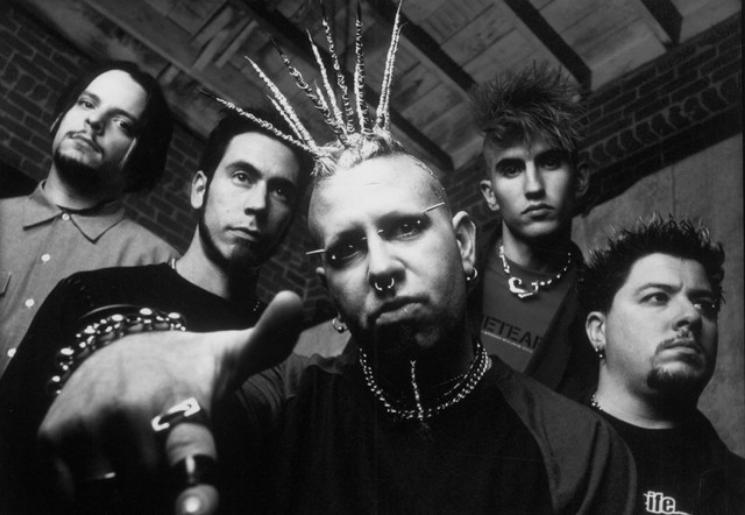
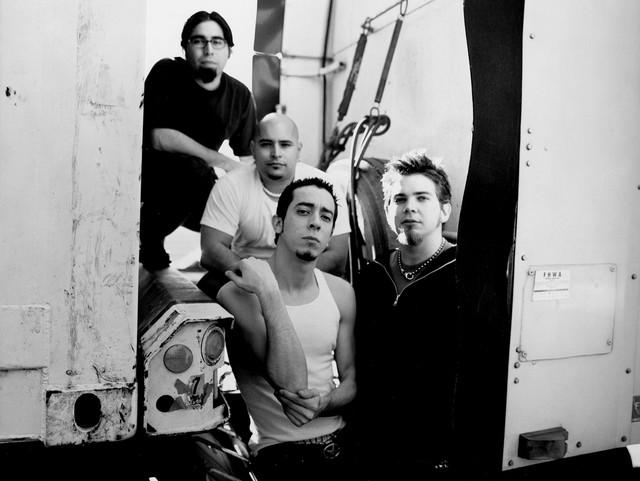
Skrape’s Spotify BioHailing from Orlando, FL, the nu metal quintet Skrape (singer Billy Keeton, guitarist Mike Lynchard, guitarist/keyboardist Brian Milner, bassist Pete Sison, and drummer Will Hunt) first came together in the late '90s. With members already having done time with such bands as the Genitorturers and Stuck Mojo, the new outfit decided to do things their way -- unlike most other new rock bands that hone their sound by playing live constantly, Skrape performed only occasional live dates, but word of mouth spread quickly as the band built up a rabid following. Skrape was signed to RCA shortly thereafter, recording their debut with veteran metal producer Ulrich Wild (Static X, Powerman 5000, Deftones), resulting in their 2001 debut release, New Killer America. Up the Dose appeared two years later. ~ Greg Prato, Rovi
Viberate is a music analytics platform built for A&Rs, artist managers, labels, booking agents, marketers, and artists.
It helps music professionals track artist growth, analyze audience data, monitor playlist activity, compare artists, follow song performance, and identify opportunities across the music market.
Public artist pages provide a free preview of selected artist data. Paid plans provide access to deeper analytics, historical data, charts, comparisons, playlist tools, exports, alerts, reports, and additional professional features.
Yes. Public Viberate artist pages provide selected artist analytics and music data for free.
Viberate also offers a 7-day free trial of the full platform. A credit card is required to start the trial. The trial includes access to the complete product so users can test deeper artist analytics, historical views, playlist insights, comparisons, charts, exports, alerts, and reporting features before choosing a paid plan.
Viberate provides artist analytics across streaming, playlists, social media, video, radio airplay, songs, and audience markets.
Users can analyze Spotify performance, Spotify and Apple Music playlists, YouTube activity, TikTok and Instagram growth, radio spins, song performance, audience locations, demographics, rankings, and overall artist momentum.
Artist profiles also connect to music charts, similar artists, and comparison tools, helping users benchmark performance and evaluate artists in context.
Viberate updates key artist and track data daily.
For followed artists and tracks, selected data is refreshed multiple times per day. This helps teams monitor playlist changes, streaming movement, audience growth, releases, and campaign performance with more current data.
Update frequency can vary depending on the metric and data source.
Yes. Viberate lets users compare up to five artists side by side across streaming, social media, audience, and engagement metrics.
Users can compare fanbase growth, audience demographics, locations, Spotify performance, social metrics, and other artist data over selected time periods.
Artist comparison can be used for A&R scouting, benchmarking, booking decisions, campaign planning, and evaluating artists with similar audiences or market positions.