Ultimate Fakebook

Punk
Pop Punk
Power Pop
 Viberate Rank: 310890
 Viberate Rank: 310890
 Monthly ListenersFollowers
 Subscribers
 Followers
 Followers
 FansTop Spotify Songs
| Track | 7-Day Streams | |
|---|---|---|
1 | 224 | |
2 | 168 | |
3 | 124 | |
4 | 74 | |
5 | 62 |
Top YouTube Videos| Video | 7-Day Views | |
|---|---|---|
1 | 22 | |
2 | 8 | |
3 | 8 | |
4 | 6 | |
5 | 4 |
Monthly ListenersFeatured in Playlists| Playlist | Followers | |
|---|---|---|
1 |  2000s Alternative Rock & Indie: Hits & Deep Cuts Carefully Curated. | 3.00K |
2 |  Props BMX - Songs Roberto LP Corrêa | 2.77K |
3 |  History of Power Pop Luthercal | 2.00K |
4 |  Amped 2 Soundtrack - Complete David Alton | 1.44K |
5 |  CHRIS LORD-ALGE Mix With The Masters | 1.30K |
Audience| City | Monthly Listeners | |
|---|---|---|
1 | | 37 |
2 | | 34 |
3 | | 24 |
4 | | 24 |
5 | | 20 |
See full performance history, audience data, playlist activity, rankings, comparisons, and more in Viberate music analytics. Start with a free trial, then continue with a paid plan.
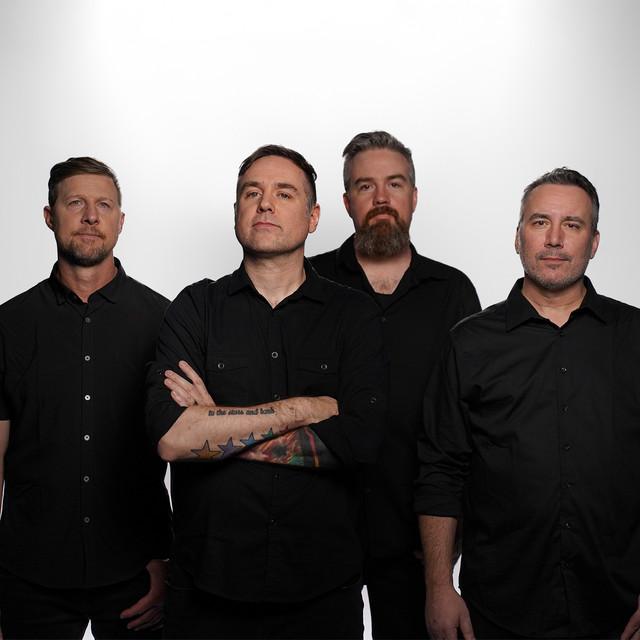
Ultimate Fakebook’s Spotify BioMelding the pop power of 70s groups like Cheap Trick with the snark of 80s garage bands like The Replacements, Ultimate Fakebook play a brand of power pop that resulted in some under-the-radar cult classic albums. When the trio reunited in 2020 for The Preserving Machine, their skills were undiminished.
The band crystallized in 1996 in the town of Manhattan, KS when the duo of guitarist/vocalist Bill McShane and bassist Nick Colby hooked up with drummer Eric Melin of Truck Stop Love and began playing shows, honing their power trio sound to a fine point and recording 1997's Electric Kissing Parties. After issuing the indie This Will Be Laughing Week in 1999, the band was signed by 550/Epic Records, which reissued the album in 2000. The band toured nonstop with the likes of The Get Up Kids, At the Drive-In, Nada Surf, and Motion City Soundtrack, and in 2002 released Open Up and Say Awesome for their new non-major label Initial. They released one more record, 2003's EP Before We Spark,… before they split up.
The band reunited for a few shows in 2008, and in 2010 self-released a record of rarities called Daydream Radio Is Smiling Static. After that they were quiet for a decade before reuniting in a more permanent fashion to record their fourth album. The trio recaptured the powerful pop sound of their early records and added some well-earned maturity to the lyrical content. The Preserving Machine was released by Sonic Ritual Recordings in April of 2020.
Viberate is a music analytics platform built for A&Rs, artist managers, labels, booking agents, marketers, and artists.
It helps music professionals track artist growth, analyze audience data, monitor playlist activity, compare artists, follow song performance, and identify opportunities across the music market.
Public artist pages provide a free preview of selected artist data. Paid plans provide access to deeper analytics, historical data, charts, comparisons, playlist tools, exports, alerts, reports, and additional professional features.
Yes. Public Viberate artist pages provide selected artist analytics and music data for free.
Viberate also offers a 7-day free trial of the full platform. A credit card is required to start the trial. The trial includes access to the complete product so users can test deeper artist analytics, historical views, playlist insights, comparisons, charts, exports, alerts, and reporting features before choosing a paid plan.
Viberate provides artist analytics across streaming, playlists, social media, video, radio airplay, songs, and audience markets.
Users can analyze Spotify performance, Spotify and Apple Music playlists, YouTube activity, TikTok and Instagram growth, radio spins, song performance, audience locations, demographics, rankings, and overall artist momentum.
Artist profiles also connect to music charts, similar artists, and comparison tools, helping users benchmark performance and evaluate artists in context.
Viberate updates key artist and track data daily.
For followed artists and tracks, selected data is refreshed multiple times per day. This helps teams monitor playlist changes, streaming movement, audience growth, releases, and campaign performance with more current data.
Update frequency can vary depending on the metric and data source.
Yes. Viberate lets users compare up to five artists side by side across streaming, social media, audience, and engagement metrics.
Users can compare fanbase growth, audience demographics, locations, Spotify performance, social metrics, and other artist data over selected time periods.
Artist comparison can be used for A&R scouting, benchmarking, booking decisions, campaign planning, and evaluating artists with similar audiences or market positions.