Blackpool Lights

Rock
Alternative Rock
Power Pop
 Viberate Rank: 497726
 Viberate Rank: 497726
 Monthly ListenersFollowers
 Subscribers
 Followers
 Followers
 FansTop Spotify Songs
| Track | 7-Day Streams | |
|---|---|---|
1 | 141 | |
2 | 70 | |
3 | 46 | |
4 | 28 | |
5 | 28 |
Top YouTube VideosMonthly ListenersFeatured in Playlists| Playlist | Followers | |
|---|---|---|
1 | girlbossnetflix | 21.63K |
2 |  Best songs off one tree hill Lydia kane | 4.49K |
3 | One Tree Hill (Complete Soundtrack) jibekf | 3.52K |
4 | Hazelyn Gonzales | 3.21K |
5 | Ultimate One Tree Hill Madelyn Rasmussen | 1.81K |
Audience| City | Monthly Listeners | |
|---|---|---|
1 | | 12 |
2 | | 11 |
3 |  | 11 |
4 | | 10 |
5 |  | 9 |
See full performance history, audience data, playlist activity, rankings, comparisons, and more in Viberate music analytics. Start with a free trial, then continue with a paid plan.
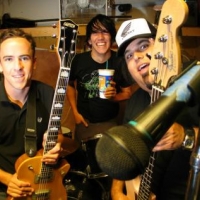
Blackpool Lights’ Spotify BioWhen the pioneering emo band the Get Up Kids called it quits in 2005, guitarist Jim Suptic pressed on with his next project, Blackpool Lights. The indie rock foursome started in 2004 with Suptic (vocals/guitar), Brian Everard (bass), Billy Brimblecom (drums), and J.D. Warnock (guitar/vocals). Like Suptic, each member had previously played with other alternative rock bands, most notably Brimblecom, who released one album on Arista with Stick in 1993. He also played stints with the Creature Comforts and the Los Angeles dance-punk act theSTART in the early 2000s. After self-releasing an EP, Blackpool Lights started Curb Appeal Records to put out their first full length. In the midst of recording their first album in early 2005, Brimblecom was tragically struck with a cancerous disease called Ewing's sarcoma. This rare kind of cancer caused Brimblecom's left leg to be amputated from the knee down; however, he beat the disease and continued to play with a prosthetic leg. Warnock left the… group in November 2005 and Thom Hoskins (guitar/vocals), formerly of the Belles and the Buffalo Saints, was named as his replacement in the new year. This Town's Disaster marked their proper debut in June 2006. ~ MacKenzie Wilson, Rovi
Viberate is a music analytics platform built for A&Rs, artist managers, labels, booking agents, marketers, and artists.
It helps music professionals track artist growth, analyze audience data, monitor playlist activity, compare artists, follow song performance, and identify opportunities across the music market.
Public artist pages provide a free preview of selected artist data. Paid plans provide access to deeper analytics, historical data, charts, comparisons, playlist tools, exports, alerts, reports, and additional professional features.
Yes. Public Viberate artist pages provide selected artist analytics and music data for free.
Viberate also offers a 7-day free trial of the full platform. A credit card is required to start the trial. The trial includes access to the complete product so users can test deeper artist analytics, historical views, playlist insights, comparisons, charts, exports, alerts, and reporting features before choosing a paid plan.
Viberate provides artist analytics across streaming, playlists, social media, video, radio airplay, songs, and audience markets.
Users can analyze Spotify performance, Spotify and Apple Music playlists, YouTube activity, TikTok and Instagram growth, radio spins, song performance, audience locations, demographics, rankings, and overall artist momentum.
Artist profiles also connect to music charts, similar artists, and comparison tools, helping users benchmark performance and evaluate artists in context.
Viberate updates key artist and track data daily.
For followed artists and tracks, selected data is refreshed multiple times per day. This helps teams monitor playlist changes, streaming movement, audience growth, releases, and campaign performance with more current data.
Update frequency can vary depending on the metric and data source.
Yes. Viberate lets users compare up to five artists side by side across streaming, social media, audience, and engagement metrics.
Users can compare fanbase growth, audience demographics, locations, Spotify performance, social metrics, and other artist data over selected time periods.
Artist comparison can be used for A&R scouting, benchmarking, booking decisions, campaign planning, and evaluating artists with similar audiences or market positions.