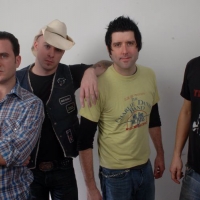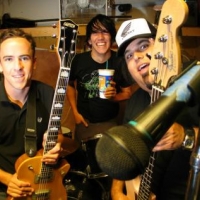
The Stereo

Rock
Pop Rock
Power Pop
 Viberate Rank: 383266
 Viberate Rank: 383266
 Monthly ListenersFollowers
 Subscribers
 Followers
 Followers
 FansTop Spotify Songs
| Track | 7-Day Streams | |
|---|---|---|
1 | 133 | |
2 | 109 | |
3 | 73 | |
4 | 68 | |
5 | 63 |
Top YouTube VideosMonthly ListenersFeatured in Playlists| Playlist | Followers | |
|---|---|---|
1 |  Fidi & Bumsi Spotify | 353.24K |
2 | Clone High Soundtrack 1271677637 | 7.12K |
3 | 𝔽𝕖𝕖𝕝 𝔾𝕠𝕠𝕕 𝕋𝕦𝕟𝕖𝕤🦧 𝕊𝕦𝕤𝕒𝕟 𝕊𝕥𝕚𝕝𝕖𝕥𝕥𝕚 | 3.06K |
4 |  #Punkfriday 🔥 Uncle M Music | 2.89K |
5 |  All New Punk Rock 2026 (PUNKERS HUB) PUNKLOID | 2.22K |
Audience| City | Monthly Listeners | |
|---|---|---|
1 | | 50 |
2 | | 24 |
3 | | 24 |
4 |  | 23 |
5 | | 23 |
See full performance history, audience data, playlist activity, rankings, comparisons, and more in Viberate music analytics. Start with a free trial, then continue with a paid plan.
The Stereo’s Spotify BioTHE STEREO formed in 1999 when Jamie Woolford, formerly of Animal Chin, and Rory Phillips, formerly of The Impossibles, were brought together by Fueled By Ramen Records co-founder (and current head of Interscope Records) John Janick.
They released their debut album THREE HUNDRED to acclaim from fellow musicians and fans in the indie music scene. Phillips would be kicked out before year’s end and THE STEREO forged ahead under Woolford’s leadership. In 2000 they released NEW TOKYO IS CALLING, an EP recorded with indie super producer and Jawbox frontman J Robbins.
Numerous lineup changes and inter-band turmoil surrounded the release of their second album NO TRAFFIC in 2001. Following a house cleaning of all existing members except Woolford, THE STEREO persevered with the release of 2002's REWIND + RECORD.
Continuing to receive praise from their peers but not the attention from fans or the music industry they craved, the last iteration of the band self-imploded in a fireball of early internet… drama in March 2004.
In 2011 the band reunited for the Fueled By Ramen 15th Anniversary in NYC. Showcasing a new lineup that featured the return of co-founder Rory Phillips, REWIND + RECORD-era bassist Chris Serafini, and powerhouse new drummer Sam Hardwig.
Finding a camaraderie missing from earlier iterations of the band and after sharing new music ideas for the first time in decades, Woolford and Phillips solidified the new roster and began work on THE STEREO’s new album THIRTEEN.
Viberate is a music analytics platform built for A&Rs, artist managers, labels, booking agents, marketers, and artists.
It helps music professionals track artist growth, analyze audience data, monitor playlist activity, compare artists, follow song performance, and identify opportunities across the music market.
Public artist pages provide a free preview of selected artist data. Paid plans provide access to deeper analytics, historical data, charts, comparisons, playlist tools, exports, alerts, reports, and additional professional features.
Yes. Public Viberate artist pages provide selected artist analytics and music data for free.
Viberate also offers a 7-day free trial of the full platform. A credit card is required to start the trial. The trial includes access to the complete product so users can test deeper artist analytics, historical views, playlist insights, comparisons, charts, exports, alerts, and reporting features before choosing a paid plan.
Viberate provides artist analytics across streaming, playlists, social media, video, radio airplay, songs, and audience markets.
Users can analyze Spotify performance, Spotify and Apple Music playlists, YouTube activity, TikTok and Instagram growth, radio spins, song performance, audience locations, demographics, rankings, and overall artist momentum.
Artist profiles also connect to music charts, similar artists, and comparison tools, helping users benchmark performance and evaluate artists in context.
Viberate updates key artist and track data daily.
For followed artists and tracks, selected data is refreshed multiple times per day. This helps teams monitor playlist changes, streaming movement, audience growth, releases, and campaign performance with more current data.
Update frequency can vary depending on the metric and data source.
Yes. Viberate lets users compare up to five artists side by side across streaming, social media, audience, and engagement metrics.
Users can compare fanbase growth, audience demographics, locations, Spotify performance, social metrics, and other artist data over selected time periods.
Artist comparison can be used for A&R scouting, benchmarking, booking decisions, campaign planning, and evaluating artists with similar audiences or market positions.