Tysondog

Metal
Heavy Metal
Speed Metal
 Viberate Rank: 305605
 Viberate Rank: 305605
 Monthly ListenersFollowers
 Subscribers
 Followers
 Followers
 FansTop Spotify Songs
| Track | 7-Day Streams | |
|---|---|---|
1 | 93 | |
2 | 62 | |
3 | 45 | |
4 | 30 | |
5 | 22 |
Top YouTube Videos| Video | 7-Day Views | |
|---|---|---|
1 | 1 |
Monthly ListenersFeatured in Playlists| Playlist | Followers | |
|---|---|---|
1 |  NWOBHM Classics 🔥🔥 Abdurahman Muuse | 10.80K |
2 |  SPEED METAL ATTACK electric_warfare | 10.40K |
3 | Old School Speed Metal Rossenfield | 3.20K |
4 | Speed Metal Hell Peder Lundgren | 2.84K |
5 | Old School Heavy Metal (Speed Power Thrash Death Black Doom Retro) lazertyger | 2.03K |
Audience| City | Monthly Listeners | |
|---|---|---|
1 |  | 37 |
2 |  | 14 |
3 |  | 13 |
4 | | 11 |
5 |  | 10 |
See full performance history, audience data, playlist activity, rankings, comparisons, and more in Viberate music analytics. Start with a free trial, then continue with a paid plan.
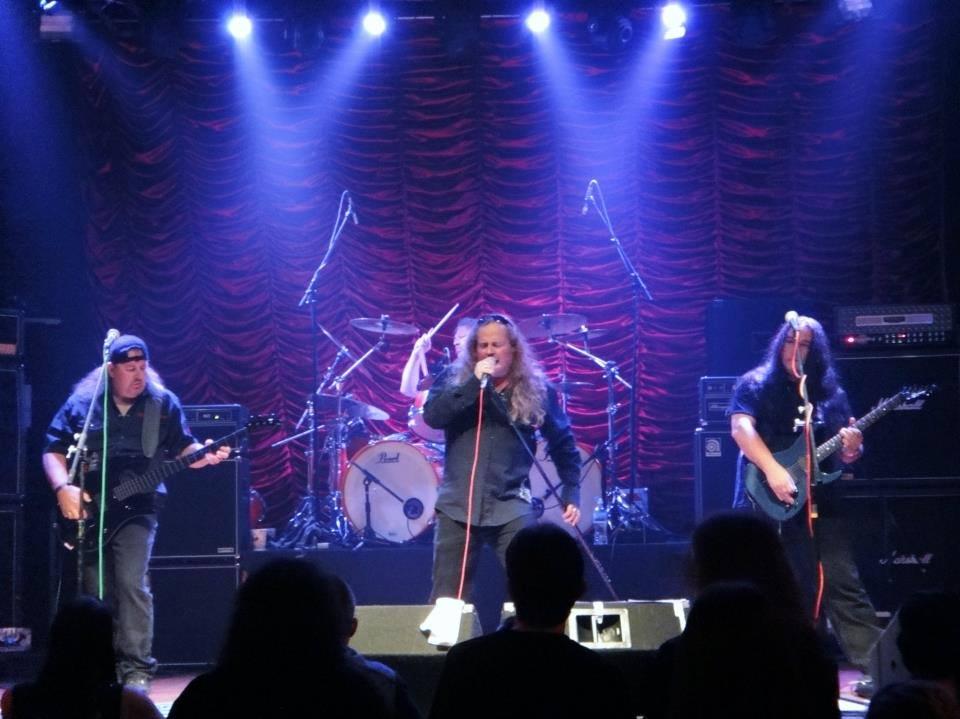
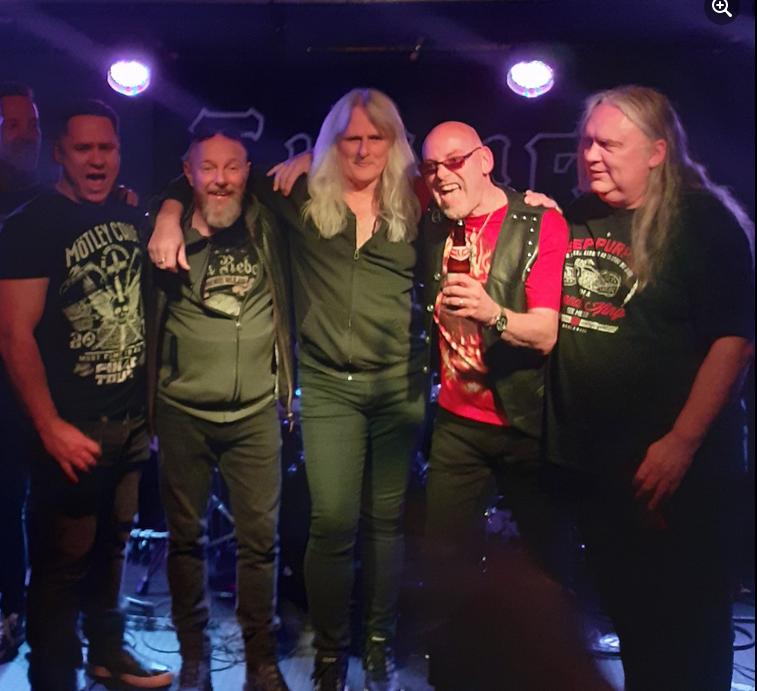
Tysondog’s Spotify BioOf all the New Wave of British Heavy Metal hopefuls to sign with Neat Records in the early '80s, Wallsend, England's Tysondog were among the most mindful of commercial metal trends, but like most of their labelmates, widespread success would elude them in the end. Alan Hunter (guitar/vocals), Paul Burdis (guitar), and Kevin Wynn (bass) were all bit players in northern England's highly incestuous but vibrant club scene when they formed the axis of what would become Tysondog (initially using the name "Orchrist") around 1982. Reportedly deriving their eventual name from someone's pet pooch, Tyson, the new group signed with nearby metal label Neat, secured the services of singer Clutch Carruthers and drummer Peter Reeve, and proceeded to record their first single, "Eat the Rich," in 1983.
Some downtime ensued while Hunter helped out label buddies Satan on a European trek, and Reeve quit to become an actor, but Tysondog duly reconvened with new drummer Ged Wolf to work on their first album,… 1984's Beware of the Dog. Produced by Venom man Cronos, Beware of the Dog's surprisingly clean and accomplished British heavy metal was well received by both critics and fans, marking Tysondog as favorites of the New Wave of British Heavy Metal's second crop of bands. But Wolf was soon on the outs (off to join speed demons Atomkraft) and yet another new drummer, Rob Walker, was manning the drum kit during the band's 1985 performance at Holland's renowned Dynamo Festival, as well as the sessions for 1985's Shoot to Kill EP.
Things seemed to be back on track for Tysondog, but much of their building momentum would soon to be squandered when Carruthers was sidelined by a serious car crash, and his resulting health issues. By the time Tysondog overcame this latest challenge to finalize 1986's self-produced Crimes of Insanity, founder Alan Hunter was only nominally involved with the group (he'd later turn up on a 1998 comeback album by Pariah), and when their cover of Alice Cooper's "School's Out" failed miserably as a single, the end was near. In another stroke of bad luck, a planned American tour in support of Venom fell through when the band couldn't obtain work permits, and, when Neat committed the final betrayal of dropping them, Tysondog was officially history. ~ Eduardo Rivadavia, Rovi
Viberate is a music analytics platform built for A&Rs, artist managers, labels, booking agents, marketers, and artists.
It helps music professionals track artist growth, analyze audience data, monitor playlist activity, compare artists, follow song performance, and identify opportunities across the music market.
Public artist pages provide a free preview of selected artist data. Paid plans provide access to deeper analytics, historical data, charts, comparisons, playlist tools, exports, alerts, reports, and additional professional features.
Yes. Public Viberate artist pages provide selected artist analytics and music data for free.
Viberate also offers a 7-day free trial of the full platform. A credit card is required to start the trial. The trial includes access to the complete product so users can test deeper artist analytics, historical views, playlist insights, comparisons, charts, exports, alerts, and reporting features before choosing a paid plan.
Viberate provides artist analytics across streaming, playlists, social media, video, radio airplay, songs, and audience markets.
Users can analyze Spotify performance, Spotify and Apple Music playlists, YouTube activity, TikTok and Instagram growth, radio spins, song performance, audience locations, demographics, rankings, and overall artist momentum.
Artist profiles also connect to music charts, similar artists, and comparison tools, helping users benchmark performance and evaluate artists in context.
Viberate updates key artist and track data daily.
For followed artists and tracks, selected data is refreshed multiple times per day. This helps teams monitor playlist changes, streaming movement, audience growth, releases, and campaign performance with more current data.
Update frequency can vary depending on the metric and data source.
Yes. Viberate lets users compare up to five artists side by side across streaming, social media, audience, and engagement metrics.
Users can compare fanbase growth, audience demographics, locations, Spotify performance, social metrics, and other artist data over selected time periods.
Artist comparison can be used for A&R scouting, benchmarking, booking decisions, campaign planning, and evaluating artists with similar audiences or market positions.