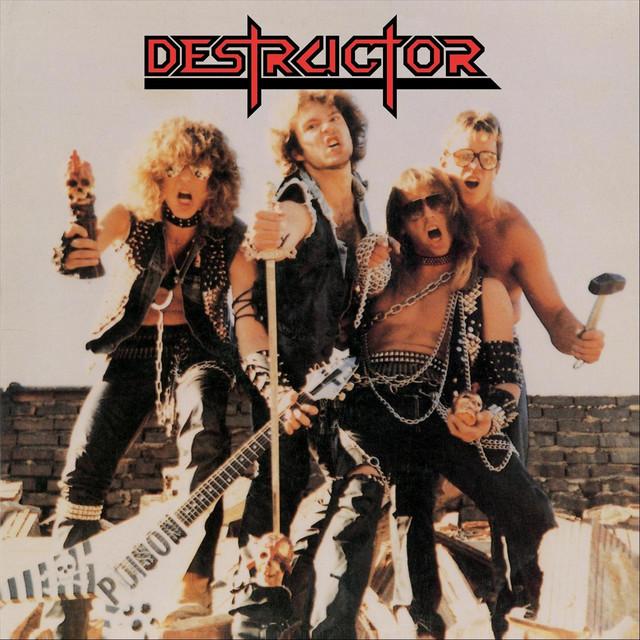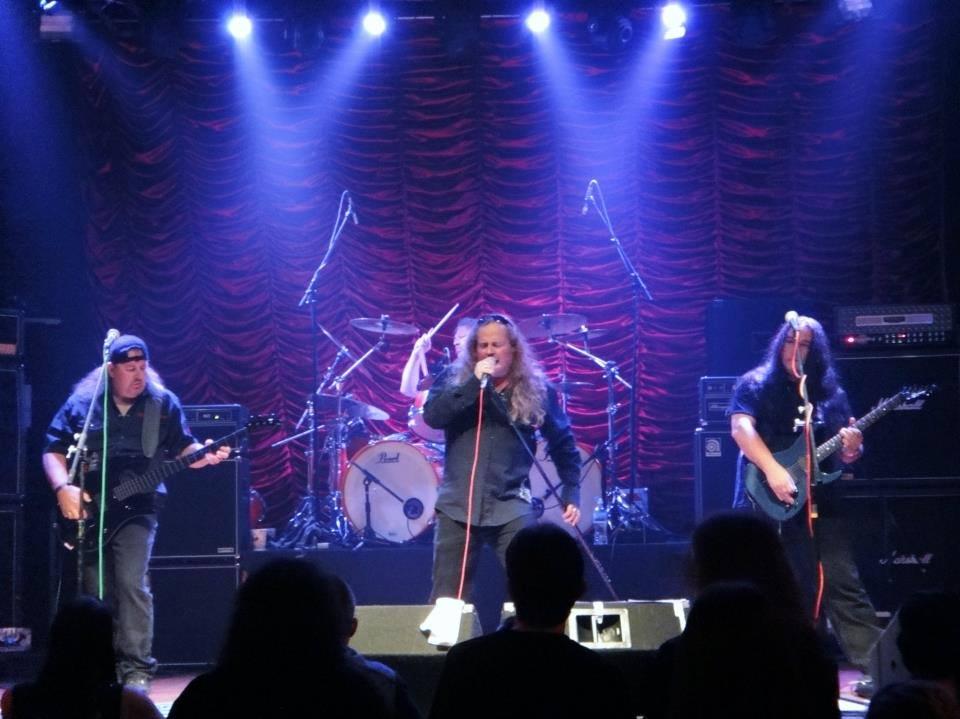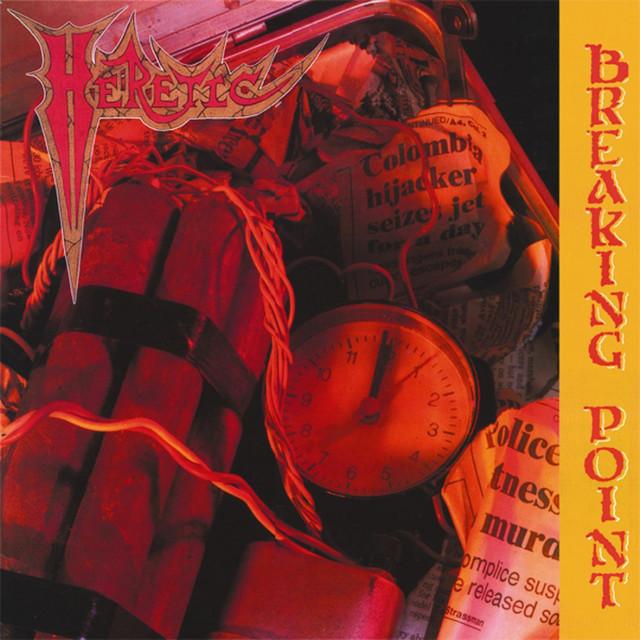
Heretic

Electronic
House
Speed Metal
 Viberate Rank: 342909
 Viberate Rank: 342909
 Monthly ListenersFollowers
 Subscribers
 Followers
 Followers
 FansTop Spotify Songs
| Track | 7-Day Streams | |
|---|---|---|
1 | 1.03K | |
2 | 525 | |
3 | 170 | |
4 | 73 | |
5 | 60 |
Top YouTube VideosMonthly ListenersFeatured in Playlists| Playlist | Followers | |
|---|---|---|
1 |  FENRIZ METAL Gylve | 32.35K |
2 |  DOOM Slayer Workout th3shur1f | 19.36K |
3 |  SPEED METAL ATTACK electric_warfare | 10.40K |
4 |  '80s Underground Metal / Old School Metal Subterranean Steel | 6.31K |
5 |  Aim To Head Mix Lucas Alves de Castro | 4.16K |
Audience| City | Monthly Listeners | |
|---|---|---|
1 |  | 20 |
2 |  | 19 |
3 |  | 14 |
4 |  | 13 |
5 |  | 11 |
See full performance history, audience data, playlist activity, rankings, comparisons, and more in Viberate music analytics. Start with a free trial, then continue with a paid plan.
Heretic’s Spotify BioOne of many bands to first gain exposure via Metal Blade's string of Metal Massacre compilations (in their case it was Vol. 7), Los Angeles' Heretic navigated the gray seas between thrash, speed, and power metal with their two releases: a 1987 EP titled Torture Knows No Boundaries, featuring original singer Mike Torres, and 1988's The Breaking Point LP, introducing vocalist Mike Howe. The remaining bandmembers for both efforts -- neither of which met with any significant commercial success -- were guitarists Brian Korban and Bobby Marquez, bassist Dennis O'Hara, and drummer Rick Merick. Now remembered as little more than a footnote in heavy metal history (although several other bands have re-utilized the name over the years), Heretic broke up when Howe accepted an invitation to replace David Wayne in Metal Church, paving the way for guitarist Korban and bassist O'Hara to team up with Wayne in his new band, Reverend. ~ Eduardo Rivadavia, Rovi
Viberate is a music analytics platform built for A&Rs, artist managers, labels, booking agents, marketers, and artists.
It helps music professionals track artist growth, analyze audience data, monitor playlist activity, compare artists, follow song performance, and identify opportunities across the music market.
Public artist pages provide a free preview of selected artist data. Paid plans provide access to deeper analytics, historical data, charts, comparisons, playlist tools, exports, alerts, reports, and additional professional features.
Yes. Public Viberate artist pages provide selected artist analytics and music data for free.
Viberate also offers a 7-day free trial of the full platform. A credit card is required to start the trial. The trial includes access to the complete product so users can test deeper artist analytics, historical views, playlist insights, comparisons, charts, exports, alerts, and reporting features before choosing a paid plan.
Viberate provides artist analytics across streaming, playlists, social media, video, radio airplay, songs, and audience markets.
Users can analyze Spotify performance, Spotify and Apple Music playlists, YouTube activity, TikTok and Instagram growth, radio spins, song performance, audience locations, demographics, rankings, and overall artist momentum.
Artist profiles also connect to music charts, similar artists, and comparison tools, helping users benchmark performance and evaluate artists in context.
Viberate updates key artist and track data daily.
For followed artists and tracks, selected data is refreshed multiple times per day. This helps teams monitor playlist changes, streaming movement, audience growth, releases, and campaign performance with more current data.
Update frequency can vary depending on the metric and data source.
Yes. Viberate lets users compare up to five artists side by side across streaming, social media, audience, and engagement metrics.
Users can compare fanbase growth, audience demographics, locations, Spotify performance, social metrics, and other artist data over selected time periods.
Artist comparison can be used for A&R scouting, benchmarking, booking decisions, campaign planning, and evaluating artists with similar audiences or market positions.