Killer

Metal
Heavy Metal
Speed Metal
 Viberate Rank: 219719
 Viberate Rank: 219719
 Monthly ListenersFollowers
 Subscribers
 Followers
 Followers
 FansTop Spotify Songs
| Track | 7-Day Streams | |
|---|---|---|
1 | 440 | |
2 | 349 | |
3 | 349 | |
4 | 311 | |
5 | 293 |
Top YouTube VideosMonthly ListenersFeatured in Playlists| Playlist | Followers | |
|---|---|---|
1 |  Analog Africa - The Complete Catalog | feat. Orchestre Poly Rythmo | Ebo Taylor | Gnonnas Pedro Analog Africa | 30.84K |
2 |  NWOBHM Classics 🔥🔥 Abdurahman Muuse | 10.80K |
3 |  SPEED METAL ATTACK electric_warfare | 10.40K |
4 |  Anjunadeep Discography Anjunadeep | 8.86K |
5 |  '80s Underground Metal / Old School Metal Subterranean Steel | 6.31K |
Audience| City | Monthly Listeners | |
|---|---|---|
1 |  | 63 |
2 |  | 58 |
3 | | 54 |
4 |  | 50 |
5 | | 49 |
See full performance history, audience data, playlist activity, rankings, comparisons, and more in Viberate music analytics. Start with a free trial, then continue with a paid plan.
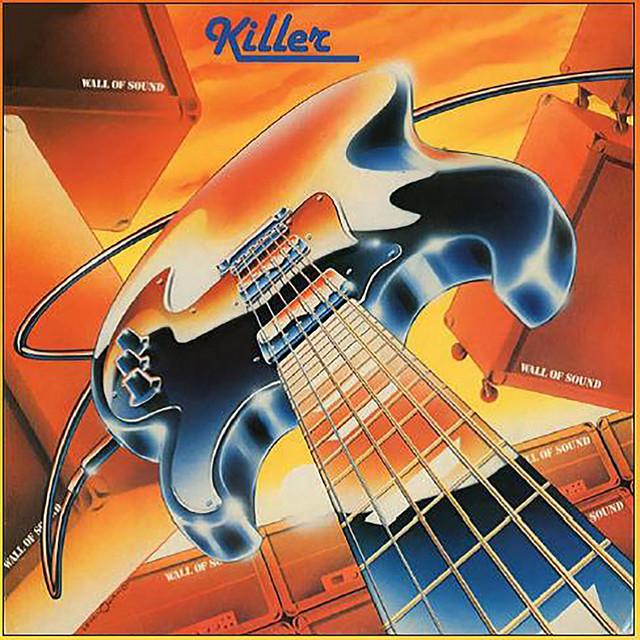
Killer’s Spotify BioBelgian heavy metal band Killer were formed in 1980 by vocalist/guitarist Paul "Shorty" Van Camp and drummer Fat Leo following the breakup of their curiously named previous group, Mothers of Track. Auditions quickly brought bass player and backing singer Spooky into the fold and, within four months, the power trio had been signed by the local Warner Bros. affiliate, and was busy recording its well-received debut album, Ready for Hell, for release in early 1981. Along with its successor, 1982's Wall of Sound (which marked the arrival of new drummer Robert "Double Bear" Cogen), this showcased Killer's evident New Wave of British Heavy Metal influences, as well as a debt to speed freaks Motörhead -- although these comparisons were unfairly exaggerated in later years. Both albums fared well with European fans, but Warner ultimately decided to drop the band nonetheless, inspiring their management team into founding Belgium's own Mausoleum Records (soon to become home to compatriots Acid, Cr…ossfire, and others) in order to release Killer's third full-length, Shock Waves, in 1984. Sadly, the seemingly ideal partnership soon ran into trouble when financial difficulties prevented Mausoleum from releasing a finished double live album, Still Alive in '85, and, despite sporadic activity like a tour of Poland, Killer effectively split up at that time. Shorty recorded a solo album, Too Wild to Tame, in 1987 (released under the name of Van Camp), but eventually reassembled Killer with old partner Spooky, plus drummer Rudy Simmons and second guitarist Jau Van Springel, for 1990's one-off reunion album, Fatal Attraction. Shorty spent much of the next decade playing with local band Blues Express and participating in very occasional Killer reunion gigs, but he only gave serious thought to another revival after a performance for Mausoleum's 20th anniversary celebration. Two brand-new studio albums have followed (2003's Broken Silence and 2005's Immortal), recorded by a re-energized Killer lineup featuring the ubiquitous Shorty plus new henchmen Ken Van Steenbergen (bass), Vanne (drums), and, surprisingly, Dave Powell (keyboards). ~ Eduardo Rivadavia, Rovi
Viberate is a music analytics platform built for A&Rs, artist managers, labels, booking agents, marketers, and artists.
It helps music professionals track artist growth, analyze audience data, monitor playlist activity, compare artists, follow song performance, and identify opportunities across the music market.
Public artist pages provide a free preview of selected artist data. Paid plans provide access to deeper analytics, historical data, charts, comparisons, playlist tools, exports, alerts, reports, and additional professional features.
Yes. Public Viberate artist pages provide selected artist analytics and music data for free.
Viberate also offers a 7-day free trial of the full platform. A credit card is required to start the trial. The trial includes access to the complete product so users can test deeper artist analytics, historical views, playlist insights, comparisons, charts, exports, alerts, and reporting features before choosing a paid plan.
Viberate provides artist analytics across streaming, playlists, social media, video, radio airplay, songs, and audience markets.
Users can analyze Spotify performance, Spotify and Apple Music playlists, YouTube activity, TikTok and Instagram growth, radio spins, song performance, audience locations, demographics, rankings, and overall artist momentum.
Artist profiles also connect to music charts, similar artists, and comparison tools, helping users benchmark performance and evaluate artists in context.
Viberate updates key artist and track data daily.
For followed artists and tracks, selected data is refreshed multiple times per day. This helps teams monitor playlist changes, streaming movement, audience growth, releases, and campaign performance with more current data.
Update frequency can vary depending on the metric and data source.
Yes. Viberate lets users compare up to five artists side by side across streaming, social media, audience, and engagement metrics.
Users can compare fanbase growth, audience demographics, locations, Spotify performance, social metrics, and other artist data over selected time periods.
Artist comparison can be used for A&R scouting, benchmarking, booking decisions, campaign planning, and evaluating artists with similar audiences or market positions.