Tyree Cooper

Electronic
House
Alternative Hip Hop
 Viberate Rank: 128363
 Viberate Rank: 128363
 Monthly ListenersFollowers
 Subscribers
 Followers
 Followers
 FansTop Spotify Songs
| Track | 7-Day Streams | |
|---|---|---|
1 | 17.27K | |
2 | 8.30K | |
3 | 1.39K | |
4 | 890 | |
5 | 530 |
Top YouTube VideosMonthly ListenersFeatured in Playlists| Playlist | Followers | |
|---|---|---|
1 |  90s House Classics Spotify | 619.30K |
2 |  This Is Alesso Spotify | 188.44K |
3 |  MAINSTAGE DANCE 2026 | MDLBEAST RECORDS MDLBEAST | 172.35K |
4 |  House Origins Spotify | 102.55K |
5 |  HOUSE CLASSICS | 80's - 2026 | INDIE, DISCO, ELECTRONIC HITS Erwin Oliveira | 99.44K |
Audience| City | Monthly Listeners | |
|---|---|---|
1 |  | 1.48K |
2 |  | 744 |
3 | | 646 |
4 |  | 477 |
5 | | 477 |
See full performance history, audience data, playlist activity, rankings, comparisons, and more in Viberate music analytics. Start with a free trial, then continue with a paid plan.
Tyree Cooper’s Spotify BioTyree Cooper is part of that first Global House music revolution that started in Chicago. His contribution to House Music and Acid House cannot be matched and that led him help co-create a genre called Hip House alongside The DJ Fast Eddie. This widened the appeal of House music worldwide.
Two years after college Tyree was already one of the most popular and highly sought-after DJs in Chicago. He was then approached by Vince Lawrence of the House band Jesse’s Gang (founded by Jesse Saunders) who persuaded Tyree to put together a demo tape of his music to start a career as a recording artist. From now on, it was only a question of time before signing the first record deal with the Chicago based underground label D.J. International Records.
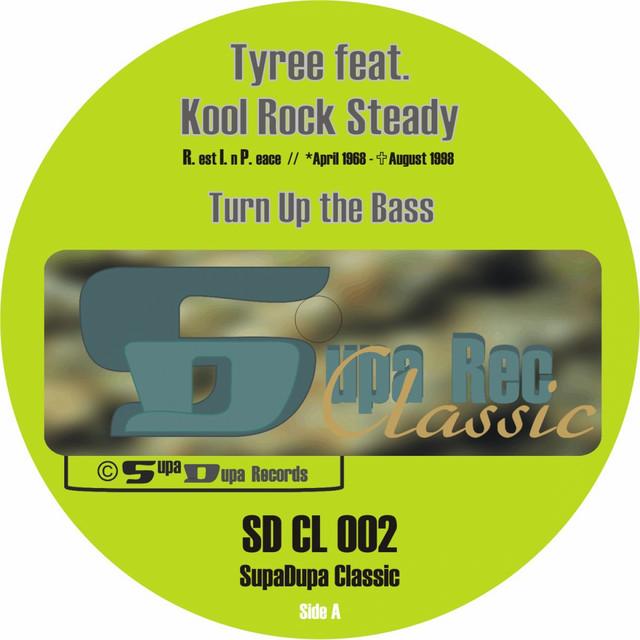
The first 12″ single – I Fear The Night (with female vocalist Chic) promptly became an underground classic in Chicago. Other hits followed, Video Crash and Acid Crash (1987) – Acid Over (1988) – Turn Up The Bass (1988/89) – Let’s Get Hyped (feat. Kool… Rock Steady, 1989) – Let the Music Take Control (1989) and Hardcore Hip House (1989).
In 2013, Tyree Cooper founded his own label: Chicago Vinyl Records with distribution from Juno Records UK. He has continued to release tracks and classic hits from DJ International and Dance Mania record labels. Tyree is regarded as one of the most influential international artists of the last three decades.
Find out more about Tyree via https://linktr.ee/tyreecoopermusic
Viberate is a music analytics platform built for A&Rs, artist managers, labels, booking agents, marketers, and artists.
It helps music professionals track artist growth, analyze audience data, monitor playlist activity, compare artists, follow song performance, and identify opportunities across the music market.
Public artist pages provide a free preview of selected artist data. Paid plans provide access to deeper analytics, historical data, charts, comparisons, playlist tools, exports, alerts, reports, and additional professional features.
Yes. Public Viberate artist pages provide selected artist analytics and music data for free.
Viberate also offers a 7-day free trial of the full platform. A credit card is required to start the trial. The trial includes access to the complete product so users can test deeper artist analytics, historical views, playlist insights, comparisons, charts, exports, alerts, and reporting features before choosing a paid plan.
Viberate provides artist analytics across streaming, playlists, social media, video, radio airplay, songs, and audience markets.
Users can analyze Spotify performance, Spotify and Apple Music playlists, YouTube activity, TikTok and Instagram growth, radio spins, song performance, audience locations, demographics, rankings, and overall artist momentum.
Artist profiles also connect to music charts, similar artists, and comparison tools, helping users benchmark performance and evaluate artists in context.
Viberate updates key artist and track data daily.
For followed artists and tracks, selected data is refreshed multiple times per day. This helps teams monitor playlist changes, streaming movement, audience growth, releases, and campaign performance with more current data.
Update frequency can vary depending on the metric and data source.
Yes. Viberate lets users compare up to five artists side by side across streaming, social media, audience, and engagement metrics.
Users can compare fanbase growth, audience demographics, locations, Spotify performance, social metrics, and other artist data over selected time periods.
Artist comparison can be used for A&R scouting, benchmarking, booking decisions, campaign planning, and evaluating artists with similar audiences or market positions.