Byron Stingily

Electronic
House
 Viberate Rank: 97569
 Viberate Rank: 97569
 Monthly ListenersFollowers
 Subscribers
 Followers
 Followers
 FansTop Spotify Songs
| Track | 7-Day Streams | |
|---|---|---|
1 | 14.98K | |
2 | 5.33K | |
3 | 3.58K | |
4 | 2.96K | |
5 | 2.09K |
Top YouTube VideosMonthly ListenersFeatured in Playlists| Playlist | Followers | |
|---|---|---|
1 |  New Dance Revolution Spotify | 196.65K |
2 |  90s Rave Classics Tom Bantica | 153.04K |
3 |  Best House & Club Tracks | Defected Defected Records | 109.22K |
4 |  WeDamnz ll It's All About House Music Lennard Klein Gebbink | 97.86K |
5 |  Tech House 🌃 TheonlyMajed | 91.19K |
Audience| City | Monthly Listeners | |
|---|---|---|
1 |  | 6.85K |
2 | | 3.31K |
3 |  | 1.52K |
4 |  | 1.41K |
5 | | 1.39K |
See full performance history, audience data, playlist activity, rankings, comparisons, and more in Viberate music analytics. Start with a free trial, then continue with a paid plan.
Byron Stingily’s Spotify BioThe lead vocalist for Ten City and later a solo star in his own right, Byron Stingily had one of the most beautiful voices in house music, a sweet and impeccably clear high register akin to Smokey Robinson or disco celebrity Sylvester. A singer since the age of five, Stingily grew up on the west side of Chicago, and though he attended Blackburn College in rural Illinois during the early '80s, he became a part of the Windy City's exploding house scene midway through the decade. He recorded his first single "Funny Love" in 1985, and licensed the song to Trax Records. After meeting up with house maestro Marshall Jefferson, Stingily recorded two early Chicago classics, "Can't Stay Away" and "Just a Little Bit," and impressed many as the support slot for Jefferson's visit to New York City.
While in town, Jefferson and Stingily decided to make the rounds at the major labels, and impressed Atlantic Records enough that the label offered them a contract before they had even formed a group. By… 1988, the pair had recruited guitarist Herb Lawson and DJ-turned-keyboardist Byron Burke to form Ragtyme. The trio released "Devotion" and "Right Back to You," later changing their name to Ten City and recording their debut album Foundation. Though the group recorded two more albums for Atlantic (all of which did well on the club scene but failed commercially), the label dropped them by 1993. Ten City then wrote a song with Masters at Work titled "Fantasy," and though the single received massive club play, it was over a year before their fourth album That Was Then, This Is Now appeared. By that time, the buzz had died down and Ten City rapidly disintegrated.
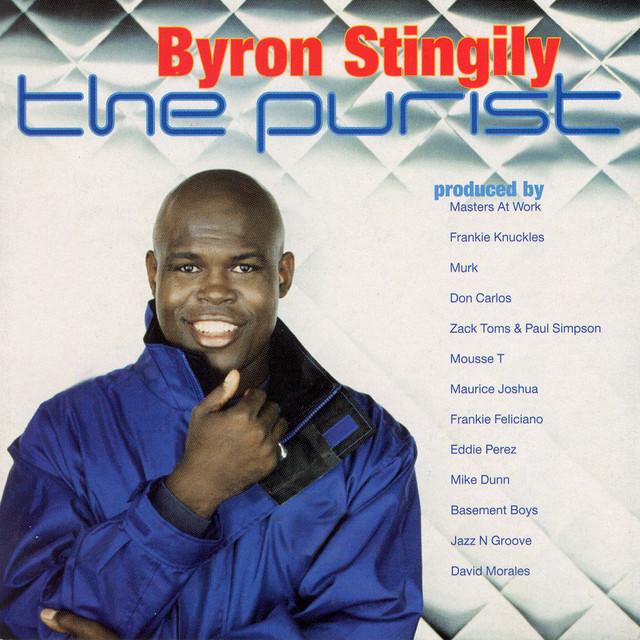
Though Byron Stingily was offered a solo contract by Columbia, he opted to return to the independents and began working on his composing and production skills: he worked with Kim English for the singles "Nitelife" and "Time for Love" plus Michael Watford and Maysa Leak (of Incognito). Stingily began recording for Nervous in 1996 with two singles, "Love You the Right Way" and "Don't Fall in Love." The following year both "Sing-A-Song" and "Get Up" became rather large garage-crossover hits, and in 1998, Stingily released his debut solo full-length The Purist. Club Stories followed two years later. ~ John Bush, Rovi
Viberate is a music analytics platform built for A&Rs, artist managers, labels, booking agents, marketers, and artists.
It helps music professionals track artist growth, analyze audience data, monitor playlist activity, compare artists, follow song performance, and identify opportunities across the music market.
Public artist pages provide a free preview of selected artist data. Paid plans provide access to deeper analytics, historical data, charts, comparisons, playlist tools, exports, alerts, reports, and additional professional features.
Yes. Public Viberate artist pages provide selected artist analytics and music data for free.
Viberate also offers a 7-day free trial of the full platform. A credit card is required to start the trial. The trial includes access to the complete product so users can test deeper artist analytics, historical views, playlist insights, comparisons, charts, exports, alerts, and reporting features before choosing a paid plan.
Viberate provides artist analytics across streaming, playlists, social media, video, radio airplay, songs, and audience markets.
Users can analyze Spotify performance, Spotify and Apple Music playlists, YouTube activity, TikTok and Instagram growth, radio spins, song performance, audience locations, demographics, rankings, and overall artist momentum.
Artist profiles also connect to music charts, similar artists, and comparison tools, helping users benchmark performance and evaluate artists in context.
Viberate updates key artist and track data daily.
For followed artists and tracks, selected data is refreshed multiple times per day. This helps teams monitor playlist changes, streaming movement, audience growth, releases, and campaign performance with more current data.
Update frequency can vary depending on the metric and data source.
Yes. Viberate lets users compare up to five artists side by side across streaming, social media, audience, and engagement metrics.
Users can compare fanbase growth, audience demographics, locations, Spotify performance, social metrics, and other artist data over selected time periods.
Artist comparison can be used for A&R scouting, benchmarking, booking decisions, campaign planning, and evaluating artists with similar audiences or market positions.