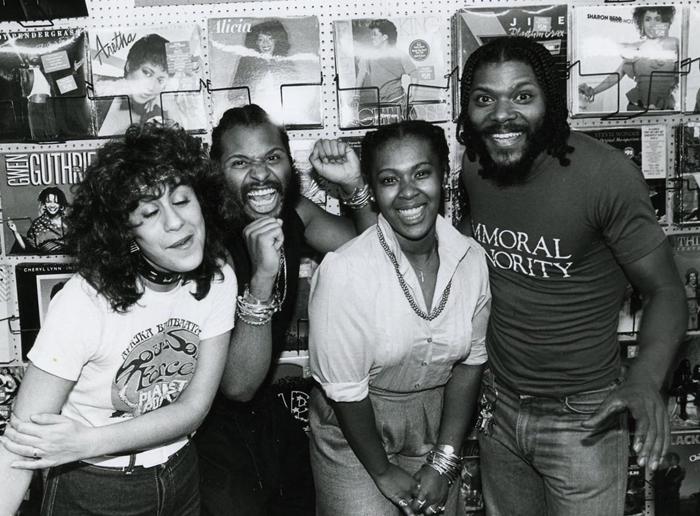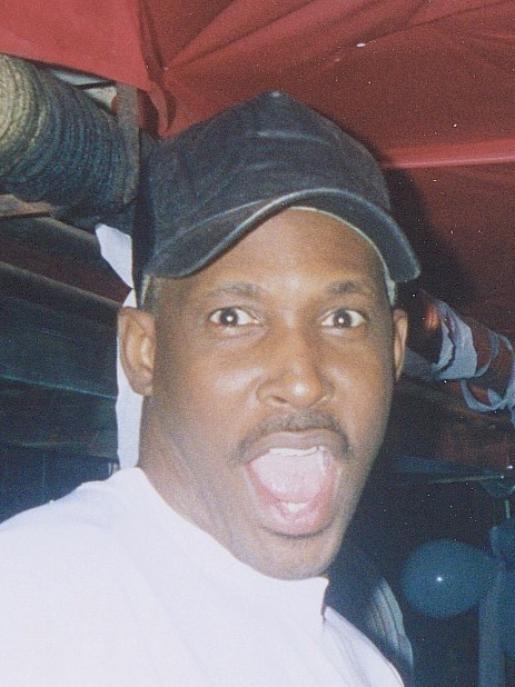
Farley "Jackmaster" Funk

Electronic
House
 Viberate Rank: 147842
 Viberate Rank: 147842
 Monthly ListenersFollowers
 Subscribers
 Followers
 Followers
 FansTop Spotify Songs
| Track | 7-Day Streams | |
|---|---|---|
1 | 8.04K | |
2 | 986 | |
3 | 771 | |
4 | 333 | |
5 | 241 |
Top YouTube VideosMonthly ListenersFeatured in Playlists| Playlist | Followers | |
|---|---|---|
1 |  Best House & Club Tracks | Defected Defected Records | 109.22K |
2 |  House Origins Spotify | 102.50K |
3 |  60s 70s 80s 90s 00s Greatest Hits and Songs Diestro Music | 51.95K |
4 | Clau Do Vale | 45.63K |
5 | wicks Brennan McDowell | 43.73K |
Audience| City | Monthly Listeners | |
|---|---|---|
1 |  | 2.03K |
2 | | 1.22K |
3 | | 1.09K |
4 | | 466 |
5 |  | 356 |
See full performance history, audience data, playlist activity, rankings, comparisons, and more in Viberate music analytics. Start with a free trial, then continue with a paid plan.
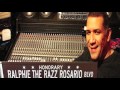
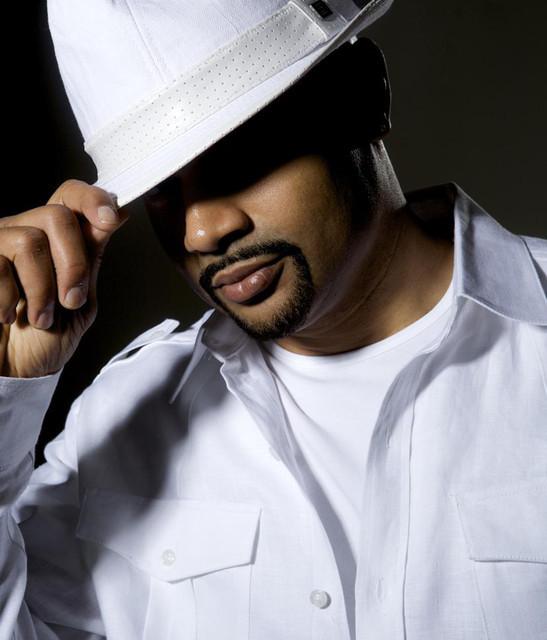
Farley "Jackmaster" Funk’s Spotify BioWhen a new style of music first cracks the pop charts, the hit is usually a deliberate crossover by an artist having little to do with the music's original pioneers. The first house single to reach the charts, however, was recorded by seminal Chicago DJ and producer, Farley Jackmaster Funk. His cover of Isaac Hayes' "Love Can't Turn Around" made the Top Ten in mid-1986 -- ironically, not in his home country but in the U.K. -- at the same time that he was one of the biggest names in Chicago house. Born in 1962, Farley began DJing while still a teenager. He first made his name in 1981, broadcasting on Chicago's WBMX-FM with Ralphi "The Razz" Rosario, Kenny "Jammin" Jason, Mickey "Mixin" Oliver and Scott "Smokin" Seals as the Hot Mix 5 -- the legendary DJ team which broke house music for a wider Chicago audience. Farley also appeared at the legendary Warehouse club (mixing alongside Frankie Knuckles) and then began a residency at the Playground (later the Candy Store) which set in stone… his reputation as one of the city's top DJs.
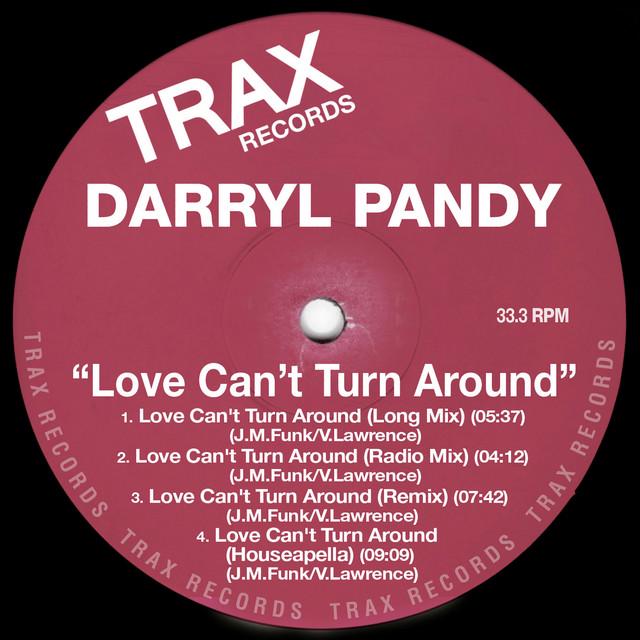
Known as Farley Keith or Farley Funkin' Keith up to that point, he began recording in 1984 with the single "Jack the Bass," which inaugurated the highly popular jacking craze in Chicago house. After two more singles ("Funkin' with Drums Again," "Give Yourself to Me") for Trax Records, he re-christened himself Farley Jackmaster Funk and released "Love Can't Turn Around," with vocals by Darryl Pandy (often mistaken for Farley on the accompanying video). The single hit the number nine spot on the British pop charts and stunned hundreds of Chicagoans, who had no idea their records were becoming popular across the ocean.
"Love Can't Turn Around" wasn't followed by any other big international hits -- "As Always" made a brief U.K. entry in 1989, while "It's You" was a local club draw -- and by the late '80s, he had lost his DJ residency as well. Fortunately, Farley made a smooth transition to an even more lucrative sport -- the global DJ circuit, where the prospect of hearing an American original brought thousands of club-goers. Never one of the most prolific recording artists in a style of music known for single-a-month release schedules, Farley moved into hip-hop in the early '90s, but returned to house by the mid-'90s with a new protege vocalist, Melanie. He also recorded new material with two other house legends (Adonis and Chip E) as Black Balls, and also released a volume in the mix series House Music Movement. ~ John Bush, Rovi
Viberate is a music analytics platform built for A&Rs, artist managers, labels, booking agents, marketers, and artists.
It helps music professionals track artist growth, analyze audience data, monitor playlist activity, compare artists, follow song performance, and identify opportunities across the music market.
Public artist pages provide a free preview of selected artist data. Paid plans provide access to deeper analytics, historical data, charts, comparisons, playlist tools, exports, alerts, reports, and additional professional features.
Yes. Public Viberate artist pages provide selected artist analytics and music data for free.
Viberate also offers a 7-day free trial of the full platform. A credit card is required to start the trial. The trial includes access to the complete product so users can test deeper artist analytics, historical views, playlist insights, comparisons, charts, exports, alerts, and reporting features before choosing a paid plan.
Viberate provides artist analytics across streaming, playlists, social media, video, radio airplay, songs, and audience markets.
Users can analyze Spotify performance, Spotify and Apple Music playlists, YouTube activity, TikTok and Instagram growth, radio spins, song performance, audience locations, demographics, rankings, and overall artist momentum.
Artist profiles also connect to music charts, similar artists, and comparison tools, helping users benchmark performance and evaluate artists in context.
Viberate updates key artist and track data daily.
For followed artists and tracks, selected data is refreshed multiple times per day. This helps teams monitor playlist changes, streaming movement, audience growth, releases, and campaign performance with more current data.
Update frequency can vary depending on the metric and data source.
Yes. Viberate lets users compare up to five artists side by side across streaming, social media, audience, and engagement metrics.
Users can compare fanbase growth, audience demographics, locations, Spotify performance, social metrics, and other artist data over selected time periods.
Artist comparison can be used for A&R scouting, benchmarking, booking decisions, campaign planning, and evaluating artists with similar audiences or market positions.