Crash Crew

Hip Hop
Contemporary Hip Hop
Alternative Hip Hop
 Viberate Rank: 312429
 Viberate Rank: 312429
 Monthly ListenersFollowers
 Subscribers
 Followers
 Followers
 FansTop Spotify Songs
| Track | 7-Day Streams | |
|---|---|---|
1 | 479 | |
2 | 173 | |
3 | 157 | |
4 | 157 | |
5 | 120 |
Top YouTube VideosMonthly ListenersFeatured in Playlists| Playlist | Followers | |
|---|---|---|
1 | Perks | 19.89K |
2 |  Hip Hop Evolution (All 4 Seasons) Emma Moore | 10.52K |
3 |  Hip Hop Evolution / Old School Rap Legends casperdekoning | 8.68K |
4 |  Hip Hop Evolution Jordi Colomer Eusebio | 6.67K |
5 | 1980’s Old School Rap Ville Kyyny | 6.53K |
Audience| City | Monthly Listeners | |
|---|---|---|
1 | | 128 |
2 | | 89 |
3 | | 68 |
4 | | 31 |
5 |  | 30 |
See full performance history, audience data, playlist activity, rankings, comparisons, and more in Viberate music analytics. Start with a free trial, then continue with a paid plan.
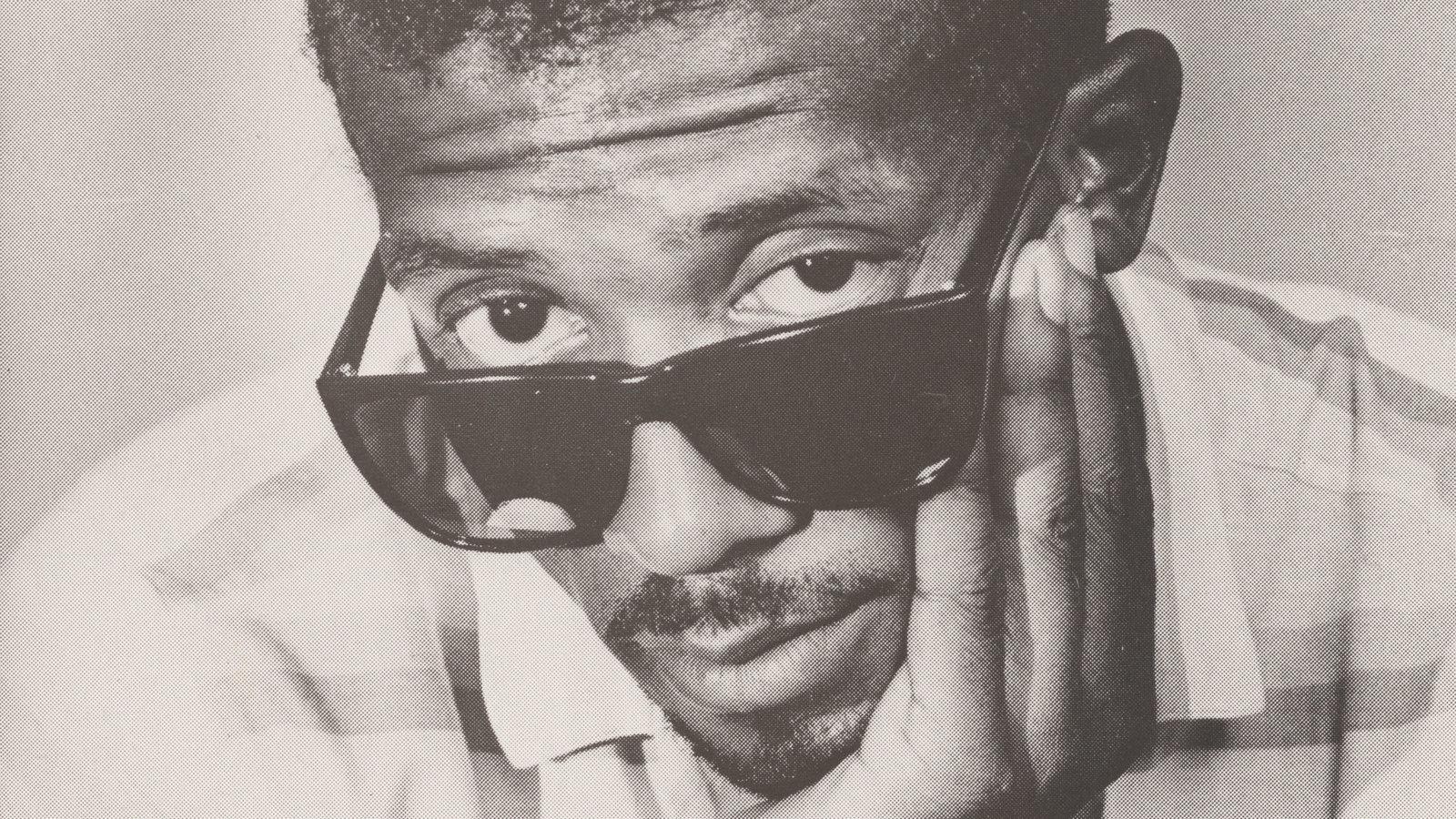
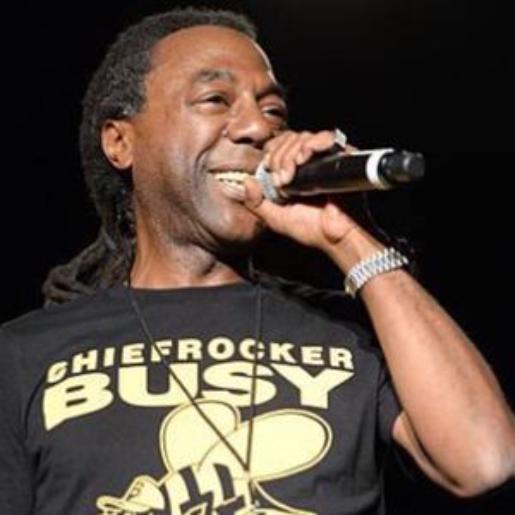
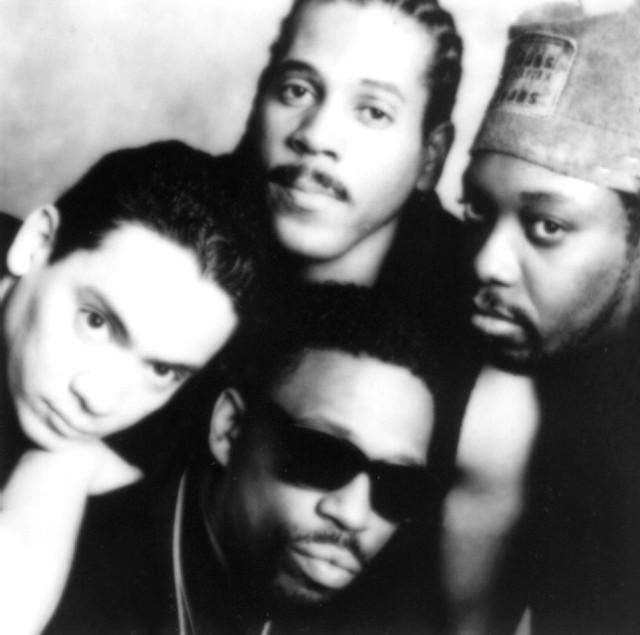
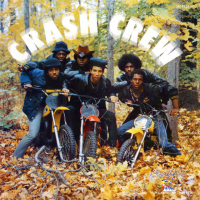
Crash Crew’s Spotify BioThe six-man Crash Crew recorded a few old school anthems, one of which ("High Powered Rap") was released before Grandmaster Flash found a hit with the same jam (as "Freedom"). Based in Harlem's Lincoln Projects, the collective was formed by high-school friends E.K. Mike C, Reggie Reg (Reginald Payne), La Shubee, Barry Bistro, G-Man, and DJ Darryl C (Darryl Calloway). Beginning around 1977, gigs at block parties and Harlem's Club 197 gave them experience, and E.K. Mike C's studio connection gave them a chance to record much earlier than most other rappers. Borrowing from the funk track "Get up and Dance" by Freedom, Crash Crew recorded a short demo named "High Powered Rap" and sold the self-released single to fans at shows. Time hasn't recorded whether Sugar Hill got the idea for a new recording based on the song from Crash Crew or some other source, but regardless, the first national hit for Grandmaster Flash & the Furious Five was 1980's "Freedom," based on the same song. The group's… first release on Sugar Hill, the single reached the R&B charts -- it was indeed far superior to Crash Crew's version -- and caused some enmity between the two acts.
Ironically, Crash Crew soon made their own appearance on Sugar Hill, with quite a few tracks, including old school classics "We Are Known as Emcee's (We Turn Parties Out)" and "Breakin' Bells (Take Me to the Mardi Gras)." Even with five rappers, Crash Crew wasn't a very talented rap group; they excelled at party jams with a lot of repeat choruses instead of rapping. The group disappeared soon after, and none of the members continued in the music industry. In 2000, Sequel compiled their work for the collection We Are Emcees. ~ John Bush, Rovi
Viberate is a music analytics platform built for A&Rs, artist managers, labels, booking agents, marketers, and artists.
It helps music professionals track artist growth, analyze audience data, monitor playlist activity, compare artists, follow song performance, and identify opportunities across the music market.
Public artist pages provide a free preview of selected artist data. Paid plans provide access to deeper analytics, historical data, charts, comparisons, playlist tools, exports, alerts, reports, and additional professional features.
Yes. Public Viberate artist pages provide selected artist analytics and music data for free.
Viberate also offers a 7-day free trial of the full platform. A credit card is required to start the trial. The trial includes access to the complete product so users can test deeper artist analytics, historical views, playlist insights, comparisons, charts, exports, alerts, and reporting features before choosing a paid plan.
Viberate provides artist analytics across streaming, playlists, social media, video, radio airplay, songs, and audience markets.
Users can analyze Spotify performance, Spotify and Apple Music playlists, YouTube activity, TikTok and Instagram growth, radio spins, song performance, audience locations, demographics, rankings, and overall artist momentum.
Artist profiles also connect to music charts, similar artists, and comparison tools, helping users benchmark performance and evaluate artists in context.
Viberate updates key artist and track data daily.
For followed artists and tracks, selected data is refreshed multiple times per day. This helps teams monitor playlist changes, streaming movement, audience growth, releases, and campaign performance with more current data.
Update frequency can vary depending on the metric and data source.
Yes. Viberate lets users compare up to five artists side by side across streaming, social media, audience, and engagement metrics.
Users can compare fanbase growth, audience demographics, locations, Spotify performance, social metrics, and other artist data over selected time periods.
Artist comparison can be used for A&R scouting, benchmarking, booking decisions, campaign planning, and evaluating artists with similar audiences or market positions.