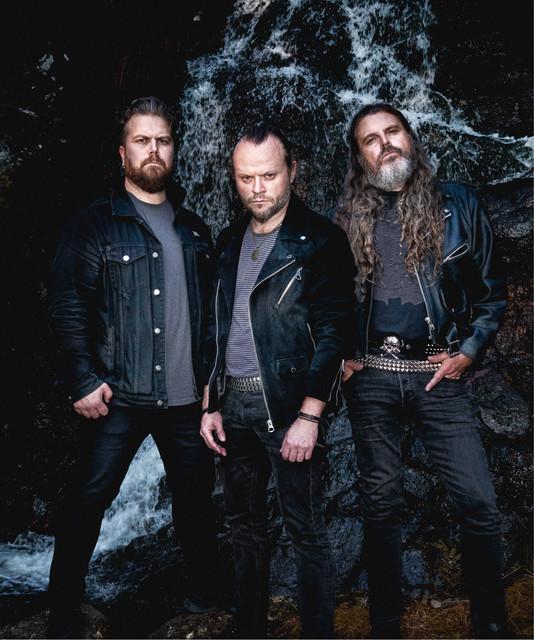
Transport League

Metal
Doom/Sludge Metal
Groove Metal
 Viberate Rank: 290096
 Viberate Rank: 290096
 Monthly ListenersFollowers
 Subscribers
 Followers
 Followers
 FansTop Spotify Songs
| Track | 7-Day Streams | |
|---|---|---|
1 | 546 | |
2 | 299 | |
3 | 256 | |
4 | 136 | |
5 | 73 |
Top YouTube VideosMonthly ListenersFeatured in Playlists| Playlist | Followers | |
|---|---|---|
1 |  Stoner Rock A-Z boogievan | 24.16K |
2 |  Best of Numetal chase | 5.45K |
3 |  HEAVY Southern Rock 🤘💪🤘 | 4.50K |
4 | rare nu-metal felixwhiite | 3.74K |
5 |  Sweden Rock Festival 2025 - Official Playlist Sweden Rock Festival | 3.54K |
Audience| City | Monthly Listeners | |
|---|---|---|
1 | | 257 |
2 | | 193 |
3 |  | 81 |
4 |  | 74 |
5 | | 51 |
See full performance history, audience data, playlist activity, rankings, comparisons, and more in Viberate music analytics. Start with a free trial, then continue with a paid plan.
Transport League’s Spotify BioOriginally begun as a side project by B-Thong singer/guitarist Tony Jelencovich with the help of bassist Johan Reivén and drummer Lars Häglund, Transport League quickly became a full-time concern for all involved when the band recorded 1995's Stallion Showcase album. Drawing its sound from influences as diverse as Kyuss, Fu Manchu, and Led Zeppelin, the band soon welcomed additional guitarist Peter Hunyadi, then revamped its rhythm section as well, drafting bassist Ken Sandin and drummer Mattias Starander before getting to work on its second full-length, 1997's Superevil. Released worldwide a year later by the music cartel label, the album led to extensive touring commitments, including a slot at the prestigious Dynamo Open Air Festival that summer. Album number three, the cleverly titled Satanic Panic, followed in February 2000, and Multiple Organ Harvest and the six-track EP Grand Amputation arrived in 2003. The group disbanded in 2005, but reconvened in 2009 and began working on new… material. The album Boogie from Hell arrived in 2013, and several studio long-players: Napalm Bats & Suicide Dogs-2015, Twist & Shout at the Devil-2017, A Million Volt Scream-Sept 2019, Kaiserschnitt -2021.~ Eduardo Rivadavia, Rovi/ Transport League.
The new album ”We Are Satans People ” will be released Oct 4th thru Black Lodge Records~ Transport League
Viberate is a music analytics platform built for A&Rs, artist managers, labels, booking agents, marketers, and artists.
It helps music professionals track artist growth, analyze audience data, monitor playlist activity, compare artists, follow song performance, and identify opportunities across the music market.
Public artist pages provide a free preview of selected artist data. Paid plans provide access to deeper analytics, historical data, charts, comparisons, playlist tools, exports, alerts, reports, and additional professional features.
Yes. Public Viberate artist pages provide selected artist analytics and music data for free.
Viberate also offers a 7-day free trial of the full platform. A credit card is required to start the trial. The trial includes access to the complete product so users can test deeper artist analytics, historical views, playlist insights, comparisons, charts, exports, alerts, and reporting features before choosing a paid plan.
Viberate provides artist analytics across streaming, playlists, social media, video, radio airplay, songs, and audience markets.
Users can analyze Spotify performance, Spotify and Apple Music playlists, YouTube activity, TikTok and Instagram growth, radio spins, song performance, audience locations, demographics, rankings, and overall artist momentum.
Artist profiles also connect to music charts, similar artists, and comparison tools, helping users benchmark performance and evaluate artists in context.
Viberate updates key artist and track data daily.
For followed artists and tracks, selected data is refreshed multiple times per day. This helps teams monitor playlist changes, streaming movement, audience growth, releases, and campaign performance with more current data.
Update frequency can vary depending on the metric and data source.
Yes. Viberate lets users compare up to five artists side by side across streaming, social media, audience, and engagement metrics.
Users can compare fanbase growth, audience demographics, locations, Spotify performance, social metrics, and other artist data over selected time periods.
Artist comparison can be used for A&R scouting, benchmarking, booking decisions, campaign planning, and evaluating artists with similar audiences or market positions.