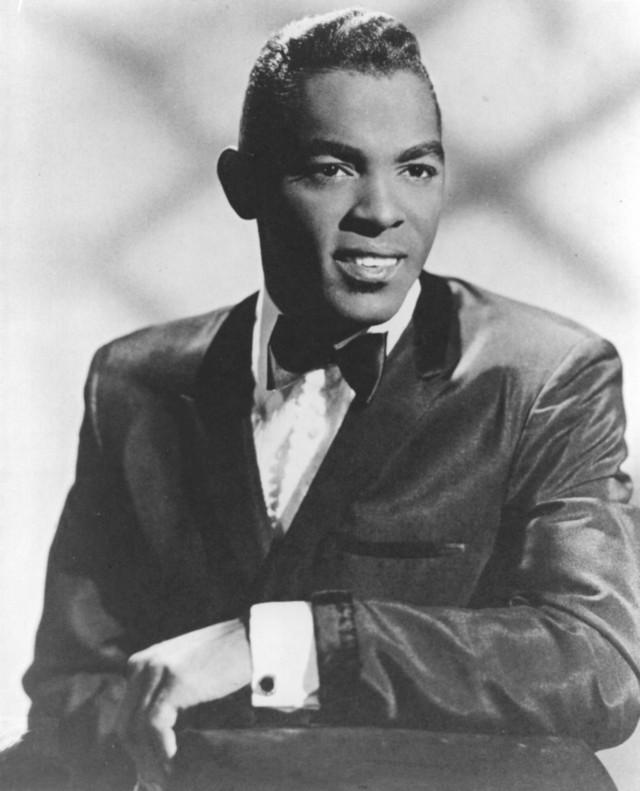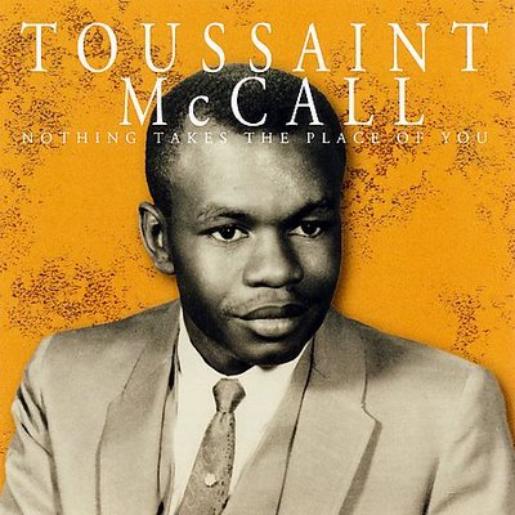
Toussaint McCall

R&B
Funk
Soul
 Viberate Rank: 308977
 Viberate Rank: 308977
 Monthly ListenersFollowers
 Subscribers
 Followers
 Followers
 FansTop Spotify Songs
| Track | 7-Day Streams | |
|---|---|---|
1 | 2.93K | |
2 | 762 | |
3 | 500 | |
4 | 310 | |
5 | 282 |
Top YouTube VideosMonthly ListenersFeatured in Playlists| Playlist | Followers | |
|---|---|---|
1 | Jackyflanagan. | 153.63K |
2 |  Ben Watt's SpinCycle Ben Watt | 23.17K |
3 | Motown, Funk, and Soul Megan | 16.11K |
4 | Psychedelic Soul Sean Easton | 10.63K |
5 |  East L.A. Chicano Oldies Mmusicjunkie97 | 8.06K |
Audience| City | Monthly Listeners | |
|---|---|---|
1 |  | 249 |
2 | | 231 |
3 | | 183 |
4 | | 143 |
5 |  | 130 |
See full performance history, audience data, playlist activity, rankings, comparisons, and more in Viberate music analytics. Start with a free trial, then continue with a paid plan.
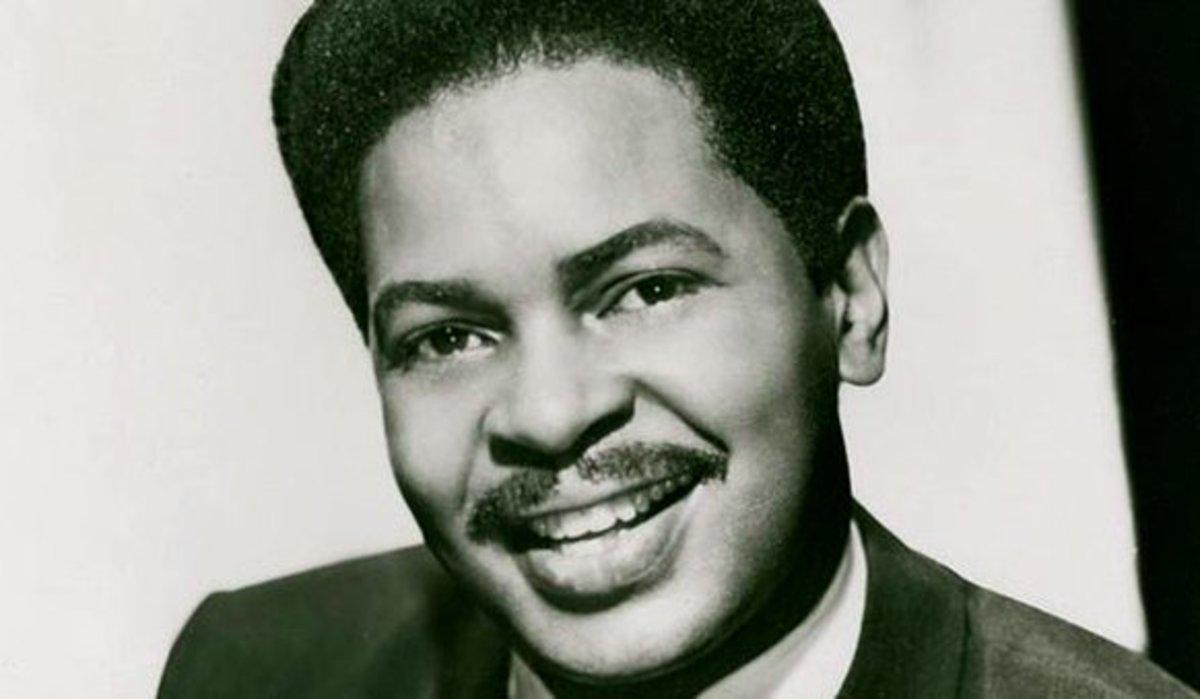
Toussaint McCall’s Spotify BioLouisiana-based soul singer Toussaint McCall created one of the truly indelible moments of 1960s soul, the luxuriously slow and sad 1967 hit "Nothing Takes the Place of You." McCall wrote the song as well as playing organ on the session, and while his days as a hitmaker were short, "Nothing Takes the Place of You" would have a long life, becoming a staple on oldies radio and appearing in John Waters' film Hairspray, as well as being covered by Al Green, Isaac Hayes, Brook Benton, and many more. McCall would go on to record gospel music, as well as smooth Southern soul efforts in the same vein as his greatest hit.
Toussaint McCall was born on March 26, 1934, and grew up in nearby Monroe. He was one of 12 children born to Rev. D. L. McCall, the pastor of a Baptist church in Delhi. McCall took up the piano when he was in high school, discovering it made him more popular with girls, and he soon replaced his sister playing at Sunday services at his father's church. After graduating high… school, he attended Southern University in Baton Rouge, Louisiana, where he studied education and continued to work on his music. After completing his studies, McCall took a job as a schoolteacher, while he played local clubs as often as his schedule would permit. McCall had set up a makeshift recording studio in his home, where he would write songs and commit them to tape. In 1967, he wrote "Nothing Takes the Place of You" and recorded it in his home studio -- he sang and played organ while his friend Jimmy William held down the rhythm on drums. Convinced he had a hit, McCall persuaded a disc jockey at Shreveport's KOKA-AM to play a tape of his song. It wasn't long before requests were pouring in, and Stan Lewis, who ran Shreveport-based Jewel Records, approached McCall about releasing the song as a single. "Nothing Takes the Place of You" b/w "Shimmy," issued by Jewel's sibling label Ronn Records, became a major R&B hit, peaking at number five on the soul charts, and it crossed over to pop, topping out at number 52. Ronn followed it up with "I'll Do It for You" b/w "The Toussaint Shuffle," which went to number 26 on the soul chart and number 77 pop.
Ronn wasted no time issuing an album to cash in on the success of the single, titled Nothing Takes the Place of You, and Ronn would issue five more McCall singles between 1967 and 1969. They failed to chart, and in 1970 he would release a single on Dore, "Sweet Tea" b/w "Mary." In the '70s, he recorded a few singles for the Nu-Sound label, and after relocating to Los Angeles, he made a second album, 1976's Make Love to Me. McCall continued to perform live but recorded rarely in the years to come, though he got a career boost in 1988, when John Waters invited him to appear in his movie Hairspray, set against the background of teen life in 1960s Baltimore. In the film, McCall appeared at a teen dance, singing "Nothing Takes the Place of You" along with his record; detail-oriented fans noted that the story was set in 1962, five years before the classic was released. The song also appeared on the film's soundtrack album, giving it a new hearing, and that same year, he issued a new album on his own LaSaint label, Help Me Pick Up the Pieces. In 2010, LaSaint records released a second LP, For Lovers Only, which featured a new recording of "Nothing Takes the Place of You." McCall also performed gospel music, playing organ in church as he had as a young man, and was the featured accompanist on an LP by the Wesley United Methodist Church Choir, In Times Like These. In 2016, McCall was honored with an induction to the Northeast Louisiana Music Hall of Fame. He passed away on August 7, 2023, at the age of 89. ~ Mark Deming, Rovi
Viberate is a music analytics platform built for A&Rs, artist managers, labels, booking agents, marketers, and artists.
It helps music professionals track artist growth, analyze audience data, monitor playlist activity, compare artists, follow song performance, and identify opportunities across the music market.
Public artist pages provide a free preview of selected artist data. Paid plans provide access to deeper analytics, historical data, charts, comparisons, playlist tools, exports, alerts, reports, and additional professional features.
Yes. Public Viberate artist pages provide selected artist analytics and music data for free.
Viberate also offers a 7-day free trial of the full platform. A credit card is required to start the trial. The trial includes access to the complete product so users can test deeper artist analytics, historical views, playlist insights, comparisons, charts, exports, alerts, and reporting features before choosing a paid plan.
Viberate provides artist analytics across streaming, playlists, social media, video, radio airplay, songs, and audience markets.
Users can analyze Spotify performance, Spotify and Apple Music playlists, YouTube activity, TikTok and Instagram growth, radio spins, song performance, audience locations, demographics, rankings, and overall artist momentum.
Artist profiles also connect to music charts, similar artists, and comparison tools, helping users benchmark performance and evaluate artists in context.
Viberate updates key artist and track data daily.
For followed artists and tracks, selected data is refreshed multiple times per day. This helps teams monitor playlist changes, streaming movement, audience growth, releases, and campaign performance with more current data.
Update frequency can vary depending on the metric and data source.
Yes. Viberate lets users compare up to five artists side by side across streaming, social media, audience, and engagement metrics.
Users can compare fanbase growth, audience demographics, locations, Spotify performance, social metrics, and other artist data over selected time periods.
Artist comparison can be used for A&R scouting, benchmarking, booking decisions, campaign planning, and evaluating artists with similar audiences or market positions.