Arthur Alexander

R&B
Soul
Contemporary Country
 Viberate Rank: 159338
 Viberate Rank: 159338
 Monthly ListenersFollowers
 Subscribers
 Followers
 Followers
 FansTop Spotify Songs
| Track | 7-Day Streams | |
|---|---|---|
1 | 4.44K | |
2 | 3.42K | |
3 | 2.94K | |
4 | 1.27K | |
5 | 1.21K |
Top YouTube VideosMonthly ListenersFeatured in Playlists| Playlist | Followers | |
|---|---|---|
1 |  Indications' Inspirations Durand Jones & The Indications | 35.68K |
2 |  Essential Classics Essential Classics | 31.39K |
3 |  Muscle Shoals (1964-1980) Tyler Ross | 28.11K |
4 |  R&B/Soul Classics Danny van Rijswijck | 16.74K |
5 | Sigges bästa låtar Sigge Eklund | 13.76K |
Audience| City | Monthly Listeners | |
|---|---|---|
1 |  | 534 |
2 | | 420 |
3 |  | 324 |
4 | | 315 |
5 |  | 308 |
See full performance history, audience data, playlist activity, rankings, comparisons, and more in Viberate music analytics. Start with a free trial, then continue with a paid plan.
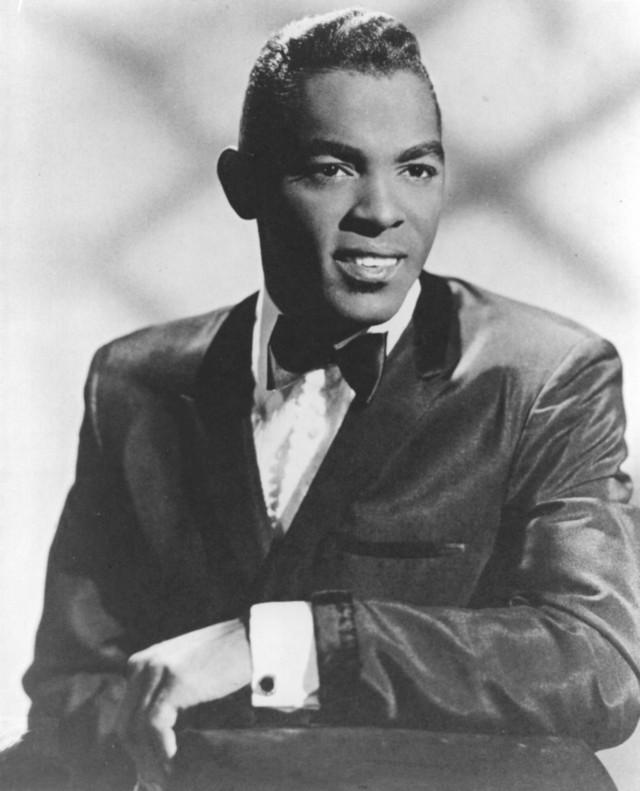
Arthur Alexander’s Spotify BioAlthough his songs were covered by the Beatles, the Rolling Stones, and Elvis Presley, country-soul pioneer Arthur Alexander remains largely unknown to the general listening audience. Nevertheless, his music is the stuff of genius, a poignant and deeply intimate body of work on par with the best of his contemporaries. Born May 10, 1940, in Florence, Alabama, Alexander was the son of a bottleneck blues guitarist who performed each Saturday night in the blues joints scattered throughout the region. Rooted as much in white country music as Black R&B, Alexander was still in the sixth grade when he joined a gospel group dubbed the Heartstrings. After high school, he worked as a hotel bellhop, befriending Tom Stafford, an R&B-obsessed white kid who fancied himself a lyricist -- Alexander began adding melodies to his words, and through Stafford was introduced to a likeminded crowd of fledgling musicians including future legends Dan Penn, Spooner Oldham, Billy Sherrill, and Rick Hall. In 1958… Alexander partnered with Henry Lee Bennett to write "She Wanna Rock," which Stafford then sold to Decca Records; country singer Arnie Derksen recorded the song a year later, and in 1960 Alexander made his solo debut for Judd Records with the gritty blues number "Sally Sue Brown," written and produced with Stafford and credited to June (short for "Junior") Alexander.
During the summer of 1961, Alexander and Hall crossed the Tennessee River to build a recording studio in the town of Muscle Shoals, transforming an abandoned tobacco warehouse into one of the most fabled facilities in popular music history. The first record incubated within Muscle Shoals was Alexander's 1962 classic "You Better Move On." The product of the singer's roots in both country and R&B, its earthy, backwoods flavor anticipated the deep soul popularized by Memphis labels like Stax and Hi, reaching number 24 on the national pop charts following its release on Dot Records. Later covered by the Rolling Stones, "You Better Move On" earned Hall enough money to begin work on a new Muscle Shoals Studio, but the deal with Dot effectively halted his collaboration with Alexander, who arguably never reached the same heights again. Dot producer Noel Ball next assigned the singer the Barry Mann/Cynthia Weil composition "Where Have You Been All My Life," which barely scraped the Top 60. Worse, the label buried the Alexander original, "Soldier of Love," on the flipside. But his third Dot effort, the self-penned "Anna (Go to Him)," was a Top Ten R&B smash and was later covered by avowed fans the Beatles, who also recorded "Soldier of Love."
Although singer Steve Alaimo enjoyed considerable success in 1963 with the Alexander-penned "Every Day I Have to Cry," Alexander himself struggled to deliver a follow-up: "Go Home Girl" didn't even crack the Hot 100, and after a series of little-heard singles such as "You're the Reason," "Ole John Amos," and "Detroit City," Dot terminated his contract in early 1965. Alexander soon resurfaced on the Sound Stage 7 label with "(Baby) For You," but after "Show Me the Road" a year later, he didn't release a new record until 1968's "I Need You Baby." Accounts vary as to the circumstances dictating Alexander's absence from recording and touring at this time -- he later admitted to suffering a long and debilitating illness, and there were rumors he had become something of an acid casualty well before psychedelia blossomed in full. Sound Stage 7 issued a single a year for the remainder of the decade -- "Love's Where Life Begins" in 1968, "Another Place, Another Time" in 1969, and "Cry Like a Baby" in 1970 -- but otherwise he was almost completely absent from music for the latter half of the 1960s, albeit reportedly cutting a session for ABC/Dunhill.
In 1971, Alexander resurfaced as a staff songwriter at Nashville-based Combine Music, working alongside the likes of Kris Kristofferson, Billy Swan, Tony Joe White, and Donnie Fritts. Combine executives soon orchestrated a recording deal with Warner Bros., and he entered Chips Moman's renowned American Studio in Memphis to record his first LP in a decade, a self-titled affair highlighted by readings of Dennis Linde's "Burning Love" (later a smash for Elvis Presley) and the Penn/Fritts collaboration "Rainbow Road," as plaintive and beautiful a record as Alexander ever made. Neither the album nor its accompanying singles made any noticeable commercial impact, however, and he soon exited Warner Bros., finally giving up on Nashville three years later and returning home to Florence. There he signed to Buddah, going back to Muscle Shoals to cut his own rendition of "Every Day I Have to Cry," a minor hit that would prove his final commercial success of note. "Sharing the Night with You" appeared the year following, and after one last effort for Music Mill, the aptly titled "So Long Baby," Alexander quit the music business altogether, driving a social services bus for a living. Elektra/Nonesuch coaxed him out of retirement to make a comeback album, 1993's Lonely Just Like Me, but while on tour in support of the record he fell ill, passing away in Nashville on June 13, 1993. ~ Jason Ankeny, Rovi
Viberate is a music analytics platform built for A&Rs, artist managers, labels, booking agents, marketers, and artists.
It helps music professionals track artist growth, analyze audience data, monitor playlist activity, compare artists, follow song performance, and identify opportunities across the music market.
Public artist pages provide a free preview of selected artist data. Paid plans provide access to deeper analytics, historical data, charts, comparisons, playlist tools, exports, alerts, reports, and additional professional features.
Yes. Public Viberate artist pages provide selected artist analytics and music data for free.
Viberate also offers a 7-day free trial of the full platform. A credit card is required to start the trial. The trial includes access to the complete product so users can test deeper artist analytics, historical views, playlist insights, comparisons, charts, exports, alerts, and reporting features before choosing a paid plan.
Viberate provides artist analytics across streaming, playlists, social media, video, radio airplay, songs, and audience markets.
Users can analyze Spotify performance, Spotify and Apple Music playlists, YouTube activity, TikTok and Instagram growth, radio spins, song performance, audience locations, demographics, rankings, and overall artist momentum.
Artist profiles also connect to music charts, similar artists, and comparison tools, helping users benchmark performance and evaluate artists in context.
Viberate updates key artist and track data daily.
For followed artists and tracks, selected data is refreshed multiple times per day. This helps teams monitor playlist changes, streaming movement, audience growth, releases, and campaign performance with more current data.
Update frequency can vary depending on the metric and data source.
Yes. Viberate lets users compare up to five artists side by side across streaming, social media, audience, and engagement metrics.
Users can compare fanbase growth, audience demographics, locations, Spotify performance, social metrics, and other artist data over selected time periods.
Artist comparison can be used for A&R scouting, benchmarking, booking decisions, campaign planning, and evaluating artists with similar audiences or market positions.