Hollyridge Strings

Classical
Orchestral
Swing
 Viberate Rank: 167319
 Viberate Rank: 167319
 Monthly ListenersFollowers
 Subscribers
 Followers
 Followers
 FansTop Spotify Songs
| Track | 7-Day Streams | |
|---|---|---|
1 | 5.93K | |
2 | 3.54K | |
3 | 2.87K | |
4 | 2.13K | |
5 | 2.01K |
Top YouTube VideosMonthly ListenersFeatured in Playlists| Playlist | Followers | |
|---|---|---|
1 |  Fear And Loathing in Las Vegas Soundtrack devin0835 | 28.41K |
2 |  An Old-Fashioned Christmas-40's 50's & 60's linabee25 | 23.52K |
3 |  Ultra Lounge - The Ultra Collection! Todd Gums | 15.12K |
4 |  music for plants helena.sophia | 14.41K |
5 |  Vintage Christmas Jazz suremoe | 11.30K |
Audience| City | Monthly Listeners | |
|---|---|---|
1 | | 401 |
2 |  | 339 |
3 | | 293 |
4 | | 258 |
5 | | 236 |
See full performance history, audience data, playlist activity, rankings, comparisons, and more in Viberate music analytics. Start with a free trial, then continue with a paid plan.
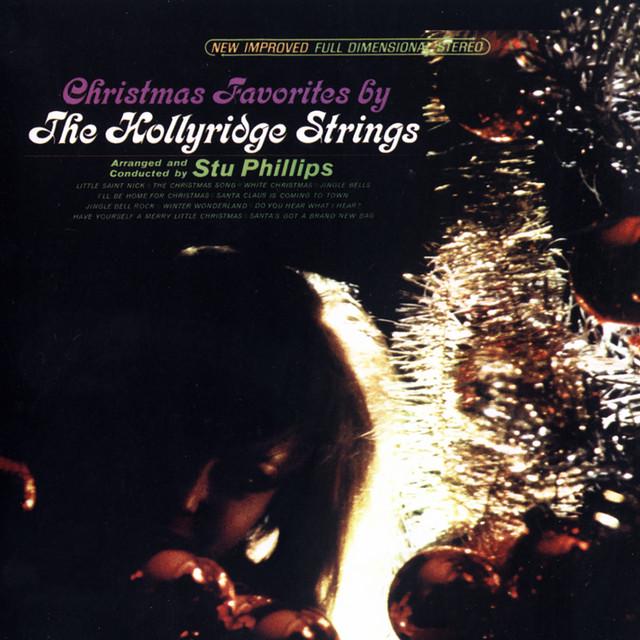
Hollyridge Strings’ Spotify BioThe Hollyridge Strings was a catchall name for the group of largely interchangeable studio musicians who recorded a series of easy listening instrumental albums for Capitol Records at the peak of the British Invasion era. The project was masterminded by music industry veteran Stu Phillips, a composer and producer who previously headlined his own series of Capitol easy listening records including Organ and Strings in Stereo before leaving the label in 1960 to become head of A&R for Colpix Records, where he produced a series of pop smashes including the Marcels' "Blue Moon," Shelley Fabares' "Johnny Angel," Paul Petersen's "My Dad," and James Darren's "Goodbye, Cruel World." In 1964 he returned to Capitol, where his familiarity and dexterity with the rock idiom made him the logical choice to cash in on Beatlemania with a record targeted at a more mature audience; the first Hollyridge Strings record, The Beatles Song Book, was a Top Ten hit, and resulted in similarly syrupy collections of… hits by Elvis Presley, the Beach Boys, the Four Seasons, and Simon & Garfunkel. At one point in time, no fewer than three different Hollyridge Strings LPs hovered in the Billboard Top 20, and their success spurred copycat projects from labels including Vee-Jay (the Castaway Strings), Liberty (the Sunset Strings), and MGM (the Fantabulous Strings). During his Capitol stint Phillips also headlined his own Feels Like Lovin', a minor classic of '60s soft pop that added vocals to the signature Hollyridge Strings sound. ~ Jason Ankeny, Rovi
Viberate is a music analytics platform built for A&Rs, artist managers, labels, booking agents, marketers, and artists.
It helps music professionals track artist growth, analyze audience data, monitor playlist activity, compare artists, follow song performance, and identify opportunities across the music market.
Public artist pages provide a free preview of selected artist data. Paid plans provide access to deeper analytics, historical data, charts, comparisons, playlist tools, exports, alerts, reports, and additional professional features.
Yes. Public Viberate artist pages provide selected artist analytics and music data for free.
Viberate also offers a 7-day free trial of the full platform. A credit card is required to start the trial. The trial includes access to the complete product so users can test deeper artist analytics, historical views, playlist insights, comparisons, charts, exports, alerts, and reporting features before choosing a paid plan.
Viberate provides artist analytics across streaming, playlists, social media, video, radio airplay, songs, and audience markets.
Users can analyze Spotify performance, Spotify and Apple Music playlists, YouTube activity, TikTok and Instagram growth, radio spins, song performance, audience locations, demographics, rankings, and overall artist momentum.
Artist profiles also connect to music charts, similar artists, and comparison tools, helping users benchmark performance and evaluate artists in context.
Viberate updates key artist and track data daily.
For followed artists and tracks, selected data is refreshed multiple times per day. This helps teams monitor playlist changes, streaming movement, audience growth, releases, and campaign performance with more current data.
Update frequency can vary depending on the metric and data source.
Yes. Viberate lets users compare up to five artists side by side across streaming, social media, audience, and engagement metrics.
Users can compare fanbase growth, audience demographics, locations, Spotify performance, social metrics, and other artist data over selected time periods.
Artist comparison can be used for A&R scouting, benchmarking, booking decisions, campaign planning, and evaluating artists with similar audiences or market positions.