Tonedeff

Hip Hop
Contemporary Hip Hop
Underground Hip Hop
 Viberate Rank: 142463
 Viberate Rank: 142463
 Monthly ListenersFollowers
 Subscribers
 Followers
 Followers
 FansTop Spotify Songs
| Track | 7-Day Streams | |
|---|---|---|
1 | 41.15K | |
2 | 6.93K | |
3 | 4.30K | |
4 | 1.46K | |
5 | 1.16K |
Top YouTube VideosMonthly ListenersFeatured in Playlists| Playlist | Followers | |
|---|---|---|
1 |  I Love My Underground Classics Spotify | 658.84K |
2 | While You Work (@whileyouwork) Eli Feghali | 81.75K |
3 |  Best Hip-Hop of all time Jonas de la Chaux | 55.26K |
4 | Hip hop instrumentals Maximilien Sautreau | 40.78K |
5 |  KESSEL MUSS BRENNEN Daniel Hernes | 18.92K |
Audience| City | Monthly Listeners | |
|---|---|---|
1 | | 150 |
2 | | 124 |
3 | | 114 |
4 |  | 113 |
5 | | 112 |
See full performance history, audience data, playlist activity, rankings, comparisons, and more in Viberate music analytics. Start with a free trial, then continue with a paid plan.
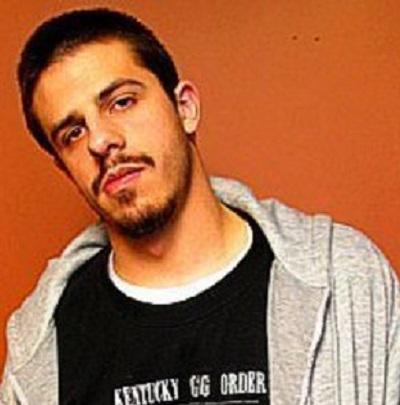
Tonedeff’s Spotify BioGenre is dead. Emcee/producer/singer-songwriter/designer/director, Tonedeff shatters the mold of conventional hip-hop, imbuing it with the sense of depth, honesty and self-sufficiency more attributed to an author than a rapper. Influenced by a diverse range of artists – Tori Amos, Common, Enya, Radiohead, The Prodigy and Björk – his fearless style is a seemingly impossible dichotomy of dense technical emceeing, emotive crooning, and cross-genre fusion. With a career as varied as his collaborators (ie. Immortal Technique, KRS-One, Masta Ace), his QN5 Music label proved to be a force of early 00's independent Hip Hop with acts like CunninLynguists, PackFM & Substantial.
His debut album, Archetype (2005) is widely regarded as an underground classic by critics and fans alike for predating the current wave of rapper/singers by nearly a decade. 2016's multi-part follow-up, Polymer, completely redefined the boundaries of the genre, birthing "Wall of Sound Rap", while the self-directed… accompanying documentary, 'Polyoptics: The Formation of Polymer' (and Polyoptics (Original Motion Picture Soundtrack) serves as a gripping examination of his motivations and struggles with depression and anxiety. 2025 sees the release of his long-awaited fully sung singer/songwriter project 'Hyperrealism' under the alias, Peter Anthony Red .
The 'Rap Game Hans Zimmer' continues to prod the edges of the genre in his unending quest to break music. For more: http://tonedeff.com
Viberate is a music analytics platform built for A&Rs, artist managers, labels, booking agents, marketers, and artists.
It helps music professionals track artist growth, analyze audience data, monitor playlist activity, compare artists, follow song performance, and identify opportunities across the music market.
Public artist pages provide a free preview of selected artist data. Paid plans provide access to deeper analytics, historical data, charts, comparisons, playlist tools, exports, alerts, reports, and additional professional features.
Yes. Public Viberate artist pages provide selected artist analytics and music data for free.
Viberate also offers a 7-day free trial of the full platform. A credit card is required to start the trial. The trial includes access to the complete product so users can test deeper artist analytics, historical views, playlist insights, comparisons, charts, exports, alerts, and reporting features before choosing a paid plan.
Viberate provides artist analytics across streaming, playlists, social media, video, radio airplay, songs, and audience markets.
Users can analyze Spotify performance, Spotify and Apple Music playlists, YouTube activity, TikTok and Instagram growth, radio spins, song performance, audience locations, demographics, rankings, and overall artist momentum.
Artist profiles also connect to music charts, similar artists, and comparison tools, helping users benchmark performance and evaluate artists in context.
Viberate updates key artist and track data daily.
For followed artists and tracks, selected data is refreshed multiple times per day. This helps teams monitor playlist changes, streaming movement, audience growth, releases, and campaign performance with more current data.
Update frequency can vary depending on the metric and data source.
Yes. Viberate lets users compare up to five artists side by side across streaming, social media, audience, and engagement metrics.
Users can compare fanbase growth, audience demographics, locations, Spotify performance, social metrics, and other artist data over selected time periods.
Artist comparison can be used for A&R scouting, benchmarking, booking decisions, campaign planning, and evaluating artists with similar audiences or market positions.