Apathy

Hip Hop
Contemporary Hip Hop
Underground Hip Hop
 Viberate Rank: 41708
 Viberate Rank: 41708
 Monthly ListenersFollowers
 Subscribers
 Followers
 Followers
 FansTop Spotify Songs
| Track | 7-Day Streams | |
|---|---|---|
1 | 36.94K | |
2 | 29.81K | |
3 | 10.64K | |
4 | 8.92K | |
5 | 7.87K |
Top YouTube VideosMonthly ListenersFeatured in Playlists| Playlist | Followers | |
|---|---|---|
1 |  Green Room Joe Rogan | 123.81K |
2 |  Midnight Club 3 DUB Edition REMIX Cup O’ Coffee | 98.93K |
3 |  Best Hip-Hop of all time Jonas de la Chaux | 55.26K |
4 |  Yungcookgod’s Boombox Ivan Ooze | 43.04K |
5 | TWrecks | 33.22K |
Audience| City | Monthly Listeners | |
|---|---|---|
1 |  | 3.54K |
2 |  | 3.38K |
3 | | 3.17K |
4 | | 3.15K |
5 | | 3.05K |
See full performance history, audience data, playlist activity, rankings, comparisons, and more in Viberate music analytics. Start with a free trial, then continue with a paid plan.
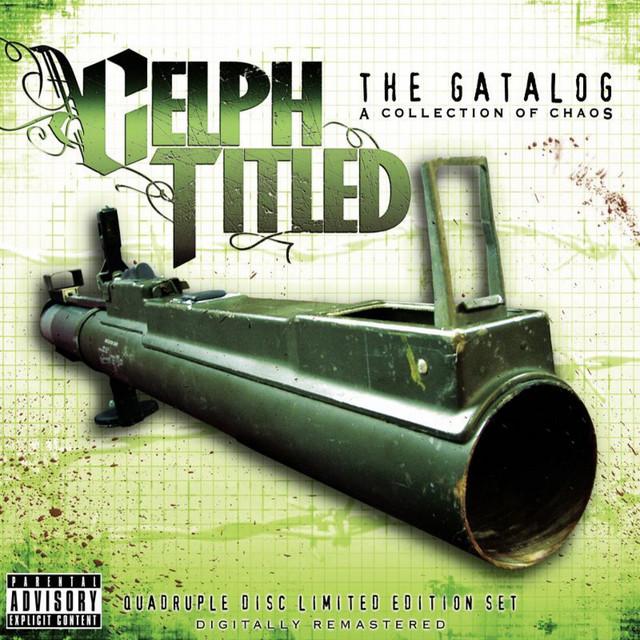
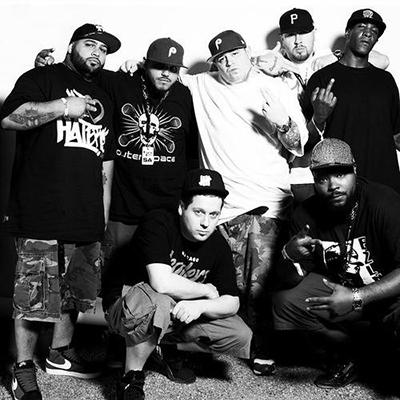
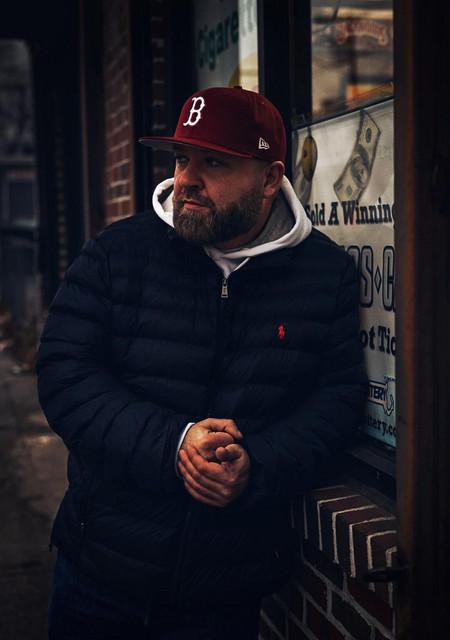
Apathy’s Spotify BioBorn Chad Bromley to teenage parents in a working-class area of Connecticut, rapper Apathy first discovered hip-hop at age five when his uncle played him Chaka Khan's 1984 cover of the Prince song "I Feel for You," which featured Melle Mel rapping. Instantly hooked, Apathy began listening to rap incessantly, soaking up the sounds of Gang Starr, Jay-Z, Nas, and Organized Konfusion, among others, as well as writing his own rhymes. He made his debut on Jedi Mind Tricks' 1997 debut LP, The Psycho-Social, Chemical, Biological, and Electro-Magnetic Manipulation of Human Consciousness, adding verses to three tracks. Shortly after, he was releasing singles on Bronx Science Records. It was through that label that Apathy met up with Celph Titled, the producer/MC originally from Florida who had worked for Bronx Science's distributor. The two founded the Demigodz crew (with 7L & Esoteric, El Fudge, Louis Logic, Open Mic, and Rise as the other initial members) and in 2002 they released their EP The… Godz Must Be Crazy. The EP was enough to gain attention from major labels, including Interscope, which wanted to sign Apathy and Celph, and Atlantic, which was more interested in Apathy as a solo artist. Eventually, Apathy chose the latter, and soon began recording tracks for his debut. However, disagreement over the direction of the album would delay progress considerably. After a few years, the rapper signed a distribution deal with indie label Babygrande, which helped release Eastern Philosophy in 2006 (many of the other tracks that he had already written for Atlantic ended up on the mixtapes It's the Bootleg, Muthafuckas!, Vol. 1 and Where's Your Album?!!) while negotiations for the major-label debut -- which was tentatively titled Bearer of Bad News -- continued (despite the drawn-out process, Apathy would leave Atlantic in 2009). To appease fans during the period of label limbo, Apathy released yet another mixtape, Baptism by Fire, which came out on the Demigodz Records.
In 2009, Apathy formed the Get Busy Committee with Styles of Beyond's Ryu and producer Scoop DeVille (Kendrick Lamar, Snoop Dogg). They would release one album -- Uzi Does It -- before returning to their solo careers in 2013.
The same year he formed Get Busy, Apathy issued his second studio LP, Wanna Snuggle?, which featured appearances by Phonte, Cypress Hill's B-Real, Celph Titled, and Ryu. He followed with Honkey Kong in 2011, which was bundled with the Primate Mindstate EP. The collection included spots by Celph Titled, Xzibit, Mad Lion, and Esoteric, with some production by DJ Premier.
Collaboration with his original Demigodz crew continued, as Apathy and Celph Titled released a teaser track "Demigodz Is Back" a few months after Honkey Kong. To further stoke interest, It's the Bootleg, Muthafuckas! Vol. 3: Fire Walk with Me appeared the next year, featuring guest spots from Nas, Xzibit, DJ Premier, Royce Da 5'9, and B-Real. Demigodz would finally return in 2013 with Killmatic, featuring contributions from all six members.
Apathy's non-Demigodz output continued with Connecticut Casual (with Harry Fraud), Weekend at the Cape, and It's the Bootleg, Muthafuckas! Vol. 4: The Black Lodge in the summer of 2015. His fifth solo LP would not arrive until the next year. Handshakes with Snakes (Dirty Version Records) was issued in June 2016 and featured familiar faces like Celph Titled, Blacastan, and B-Real, along with Twista and Bun B. The next year, he issued Dive Medicine: Chapter One, an instrumental project, and Perestroika, a collaboration with fellow East Coast rapper O.C. that featured appearances by Slaine, Celph Titled, Jus Cuz, and more. In 2018, The Widow's Son arrived. Featuring production by DJ Premier, Pete Rock, and Buckwild, the effort included the songs "I Keep On" with Pharoahe Monch and "Stomp Rappers" with M.O.P. and Celph Titled. ~ Marisa Brown & Neil Z. Yeung, Rovi
Viberate is a music analytics platform built for A&Rs, artist managers, labels, booking agents, marketers, and artists.
It helps music professionals track artist growth, analyze audience data, monitor playlist activity, compare artists, follow song performance, and identify opportunities across the music market.
Public artist pages provide a free preview of selected artist data. Paid plans provide access to deeper analytics, historical data, charts, comparisons, playlist tools, exports, alerts, reports, and additional professional features.
Yes. Public Viberate artist pages provide selected artist analytics and music data for free.
Viberate also offers a 7-day free trial of the full platform. A credit card is required to start the trial. The trial includes access to the complete product so users can test deeper artist analytics, historical views, playlist insights, comparisons, charts, exports, alerts, and reporting features before choosing a paid plan.
Viberate provides artist analytics across streaming, playlists, social media, video, radio airplay, songs, and audience markets.
Users can analyze Spotify performance, Spotify and Apple Music playlists, YouTube activity, TikTok and Instagram growth, radio spins, song performance, audience locations, demographics, rankings, and overall artist momentum.
Artist profiles also connect to music charts, similar artists, and comparison tools, helping users benchmark performance and evaluate artists in context.
Viberate updates key artist and track data daily.
For followed artists and tracks, selected data is refreshed multiple times per day. This helps teams monitor playlist changes, streaming movement, audience growth, releases, and campaign performance with more current data.
Update frequency can vary depending on the metric and data source.
Yes. Viberate lets users compare up to five artists side by side across streaming, social media, audience, and engagement metrics.
Users can compare fanbase growth, audience demographics, locations, Spotify performance, social metrics, and other artist data over selected time periods.
Artist comparison can be used for A&R scouting, benchmarking, booking decisions, campaign planning, and evaluating artists with similar audiences or market positions.