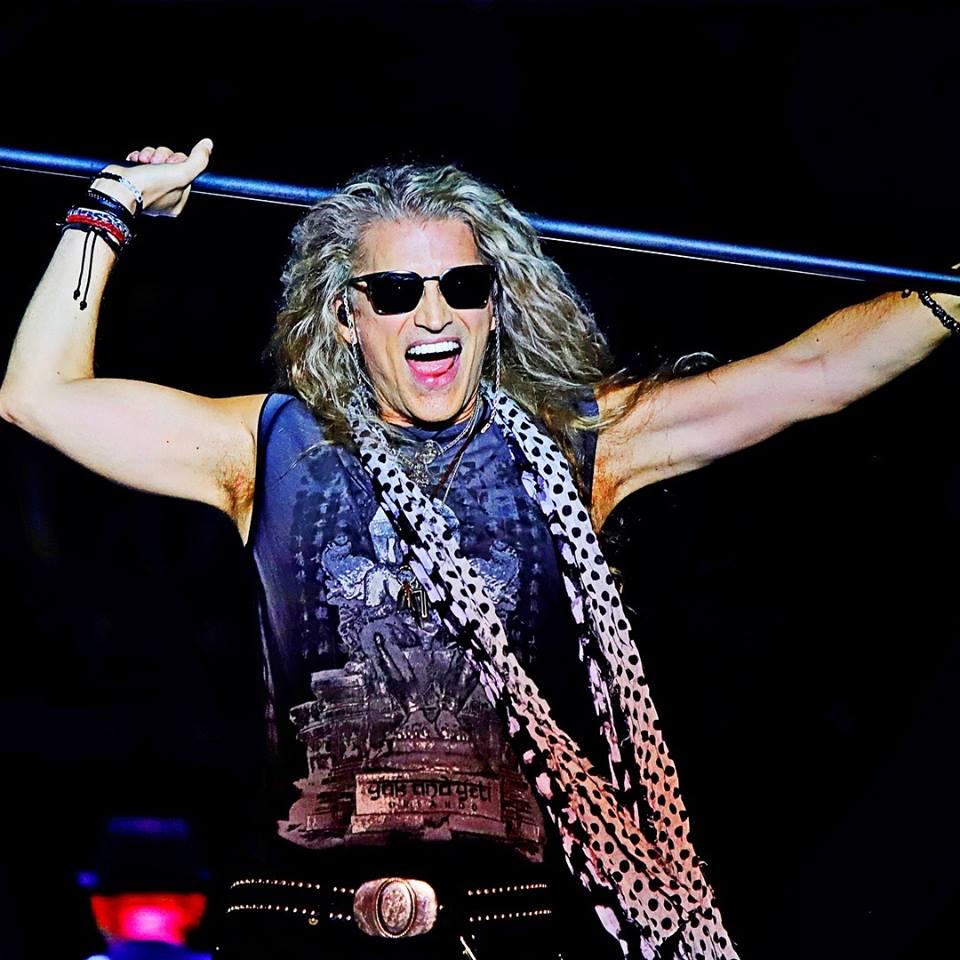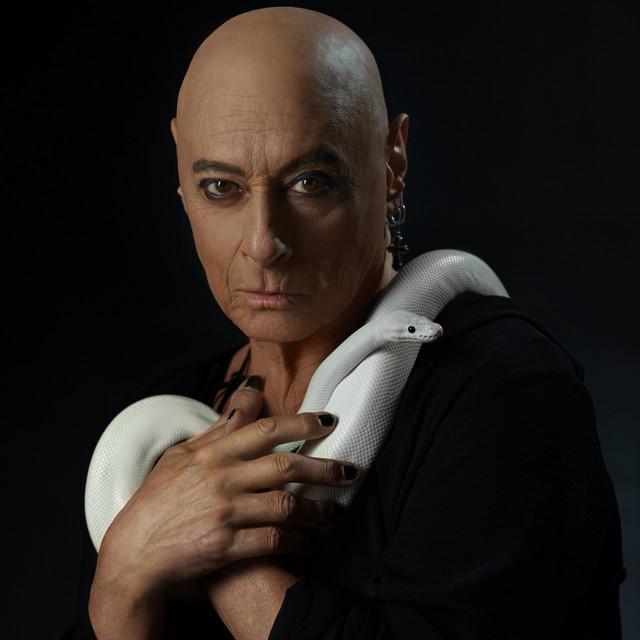
Richie Sambora

Rock
Hard Rock
Pop Rock
 Viberate Rank: 27177
 Viberate Rank: 27177
 Monthly ListenersFollowers
 Subscribers
 Followers
 Followers
 FansTop Spotify Songs
| Track | 7-Day Streams | |
|---|---|---|
1 | 21.37K | |
2 | 14.70K | |
3 | 11.39K | |
4 | 10.83K | |
5 | 10.31K |
Top YouTube Videos| Video | 7-Day Views | |
|---|---|---|
1 | 5.95K | |
2 | 5.11K | |
3 | 4.95K | |
4 | 4.94K | |
5 | 810 |
Monthly ListenersFeatured in Playlists| Playlist | Followers | |
|---|---|---|
1 |  Best Acoustic Songs Ever Calm Radio | 44.57K |
2 |  80’s Hair Metal & Rock halun1 | 40.35K |
3 |  feltzy891 | 40.28K |
4 |  Rock Ballads Saygın Sarıoğlu | 35.31K |
5 |  Fun Ballet Music Lizzie Johnson | 24.74K |
Audience| City | Monthly Listeners | |
|---|---|---|
1 |  | 6.47K |
2 |  | 1.92K |
3 | | 1.45K |
4 |  | 1.43K |
5 |  | 1.38K |
See full performance history, audience data, playlist activity, rankings, comparisons, and more in Viberate music analytics. Start with a free trial, then continue with a paid plan.
Richie Sambora’s Spotify BioRaised in the humble, swampside locale of Woodbridge, New Jersey, Richie Sambora -- the gifted lead guitarist of the multi-million-selling rock act, Bon Jovi -- was initially inspired by blues-based icons of the 1960s such as Jimi Hendrix and Eric Clapton. Following a self-released eponymous 1980 hard rock album with an act called Message that he had co-founded with the late Dean Fasano, Sambora took a two-week trip to Los Angeles to audition for a place in Kiss. Although the audition was unsuccessful, on his return to New Jersey a reassuring friend suggested that he make contact with Jon Bongiovi, a local artist whose taste in music was perhaps more closely aligned with Sambora's than that of Gene Simmons and company. By 1983, Sambora had replaced Dave Sabo as the guitarist in Bon Jovi and the band was signed to Mercury Records.
Selling over 28 million copies, Bon Jovi's third album, Slippery When Wet, became their most successful record, ushering hair metal into the mainstream.… Sambora had a hand in composing nine of the ten tracks, enjoying not unsubstantial royalties from what became the highest-selling album of 1987 in the U.S. As a result of this success, Sambora found himself in the media spotlight more than ever and his relationship and subsequent breakup with Cher were widely reported. Following an extensive promotional campaign for 1988’s New Jersey, Bon Jovi went on a well-deserved hiatus. While Sambora's 1991 debut solo album didn't enjoy the same commercial success as Jon Bon Jovi's Golden Globe-winning 1990 release Blaze of Glory, Stranger in this Town allowed him to return to his beloved blues roots. With his hero Clapton contributing a deft solo to "Mr. Bluesman," there was the implied sense that Sambora had achieved yet another lifelong ambition.
A full seven years passed before Sambora issued his sophomore solo album, Undiscovered Soul. In the interim, Bon Jovi issued the successful studio albums Keep the Faith and These Days, and consolidated their global position with a world tour that visited 43 countries. Although 1998's Undiscovered Soul was considered to be a less strong set than his debut, most critics acknowledged that it was a more ambitious effort, showcasing a versatility of approach that found power ballads sitting next to arena rock material.
The June 2007 release of Bon Jovi's country-influenced tenth album, Lost Highway, coincided with a difficult period in Sambora's personal life. Following the breakdown of his marriage with actress Heather Locklear, his father passed away, and this turn of events led to a period of alcohol dependency and rehab. Building on the eclecticism of Undiscovered Soul, his third solo album -- 2012's Aftermath of the Lowdown -- found Sambora in determined mood when it eventually arrived. It was another opportunity for him to explore areas of music that Bon Jovi had neglected to visit, and included material that was comparable in style to artists as diverse as Coldplay and David Bowie. ~ James Wilkinson, Rovi
Viberate is a music analytics platform built for A&Rs, artist managers, labels, booking agents, marketers, and artists.
It helps music professionals track artist growth, analyze audience data, monitor playlist activity, compare artists, follow song performance, and identify opportunities across the music market.
Public artist pages provide a free preview of selected artist data. Paid plans provide access to deeper analytics, historical data, charts, comparisons, playlist tools, exports, alerts, reports, and additional professional features.
Yes. Public Viberate artist pages provide selected artist analytics and music data for free.
Viberate also offers a 7-day free trial of the full platform. A credit card is required to start the trial. The trial includes access to the complete product so users can test deeper artist analytics, historical views, playlist insights, comparisons, charts, exports, alerts, and reporting features before choosing a paid plan.
Viberate provides artist analytics across streaming, playlists, social media, video, radio airplay, songs, and audience markets.
Users can analyze Spotify performance, Spotify and Apple Music playlists, YouTube activity, TikTok and Instagram growth, radio spins, song performance, audience locations, demographics, rankings, and overall artist momentum.
Artist profiles also connect to music charts, similar artists, and comparison tools, helping users benchmark performance and evaluate artists in context.
Viberate updates key artist and track data daily.
For followed artists and tracks, selected data is refreshed multiple times per day. This helps teams monitor playlist changes, streaming movement, audience growth, releases, and campaign performance with more current data.
Update frequency can vary depending on the metric and data source.
Yes. Viberate lets users compare up to five artists side by side across streaming, social media, audience, and engagement metrics.
Users can compare fanbase growth, audience demographics, locations, Spotify performance, social metrics, and other artist data over selected time periods.
Artist comparison can be used for A&R scouting, benchmarking, booking decisions, campaign planning, and evaluating artists with similar audiences or market positions.