Thorleifs

Pop
Mainstream Pop
Other European Music
 Viberate Rank: 103821
 Viberate Rank: 103821
 Monthly ListenersFollowers
 Subscribers
 Followers
 Followers
 FansTop Spotify Songs
| Track | 7-Day Streams | |
|---|---|---|
1 | 15.56K | |
2 | 14.96K | |
3 | 8.82K | |
4 | 8.62K | |
5 | 7.75K |
Top YouTube VideosMonthly ListenersFeatured in Playlists| Playlist | Followers | |
|---|---|---|
1 |  Dansband! Spotify | 172.17K |
2 |  Svenska låtar alla kan! 🇸🇪 Filtr Sweden | 111.64K |
3 |  Svenska Klassiker 🇸🇪 hits & favoriter Filtr Sweden | 47.37K |
4 |  Det svenska Sjuttiotalet Spotify | 32.09K |
5 |  Dansbandshits 💥 Filtr Legacy Sweden | 19.42K |
Audience| City | Monthly Listeners | |
|---|---|---|
1 | | 14.34K |
2 | | 14.01K |
3 | | 7.95K |
4 |  | 3.31K |
5 | | 2.05K |
See full performance history, audience data, playlist activity, rankings, comparisons, and more in Viberate music analytics. Start with a free trial, then continue with a paid plan.
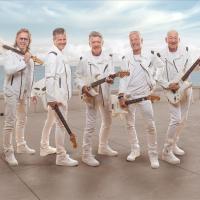
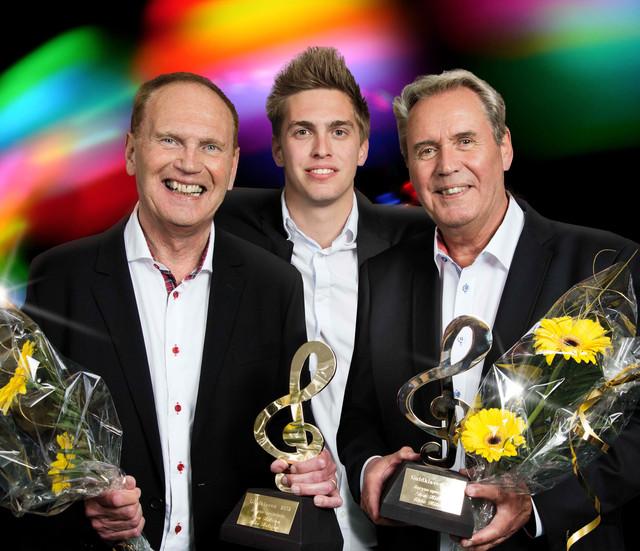
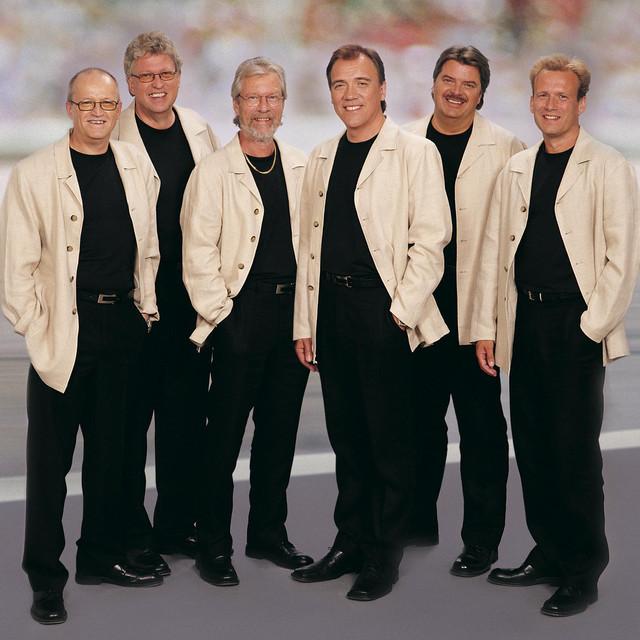
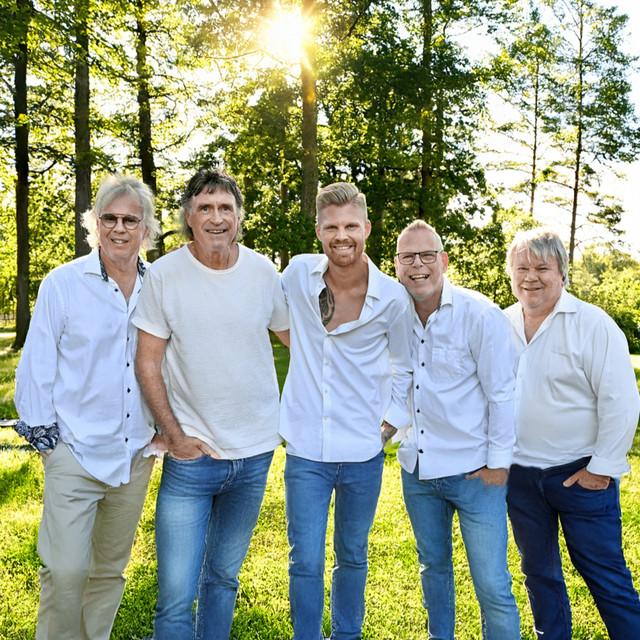
Thorleifs’ Spotify BioThorleifs are one of the most beloved and longest-running exponents of dansbandmusik, a broadly popular Swedish style inspired by swing, country, schlager, jazz, and 1950s and '60s rock & roll. Though the fundamental and archetypal role of dansbands is to perform live for audiences of dancers rather than mere spectators, many of the groups also released recordings; Thorleifs have upward of 30 albums to their credit. Initially formed in 1962 by singer, saxophonist, and guitarist Thorleif Torstensson, with Hans Magnusson on keyboards as well as sax and guitar, the band hit their stride in the dansband golden era of the '70s, after the addition of singer/guitarist Magnus Bergdahl in 1968, bassist Kim Lindahl in 1969, and drummer Jörgen Löfstedt in 1970. This lineup would remain unchanged straight through the 2000s, save for the addition of accordionist Magnus Franzén in 2004. Their sound would also remain virtually unchanged over that period: 2007's Våra Bästa År, one of countless… compilations they've released over the years -- with surprisingly little overlap -- contains seven new songs as well as three dozen selections from across more than 30 years of recordings (including several cuts from their ongoing Saxgodingar series of covers albums, mostly of '50s-era American pop tunes), and the discernible differences in style, songwriting, arrangements, and even production quality throughout the collection are essentially nil. Though the glory days of the dansbands are long gone, the style retains a substantial (albeit aging) following, and one can only imagine that Thorleifs will continue to soldier on, with unflagging steadiness, for as long as their audiences are willing to dance. In October of 1999 the Swedish government paid tribute to Thorleifs, along with three other legends of dansbandmusik (Lotta Engbergs, Arvingarna, and Sten & Stanley) by issuing their portraits on postage stamps. Multi-instrumentalist Hans Magnusson died on August 15, 2022 at the age of 73. ~ K. Ross Hoffman
Viberate is a music analytics platform built for A&Rs, artist managers, labels, booking agents, marketers, and artists.
It helps music professionals track artist growth, analyze audience data, monitor playlist activity, compare artists, follow song performance, and identify opportunities across the music market.
Public artist pages provide a free preview of selected artist data. Paid plans provide access to deeper analytics, historical data, charts, comparisons, playlist tools, exports, alerts, reports, and additional professional features.
Yes. Public Viberate artist pages provide selected artist analytics and music data for free.
Viberate also offers a 7-day free trial of the full platform. A credit card is required to start the trial. The trial includes access to the complete product so users can test deeper artist analytics, historical views, playlist insights, comparisons, charts, exports, alerts, and reporting features before choosing a paid plan.
Viberate provides artist analytics across streaming, playlists, social media, video, radio airplay, songs, and audience markets.
Users can analyze Spotify performance, Spotify and Apple Music playlists, YouTube activity, TikTok and Instagram growth, radio spins, song performance, audience locations, demographics, rankings, and overall artist momentum.
Artist profiles also connect to music charts, similar artists, and comparison tools, helping users benchmark performance and evaluate artists in context.
Viberate updates key artist and track data daily.
For followed artists and tracks, selected data is refreshed multiple times per day. This helps teams monitor playlist changes, streaming movement, audience growth, releases, and campaign performance with more current data.
Update frequency can vary depending on the metric and data source.
Yes. Viberate lets users compare up to five artists side by side across streaming, social media, audience, and engagement metrics.
Users can compare fanbase growth, audience demographics, locations, Spotify performance, social metrics, and other artist data over selected time periods.
Artist comparison can be used for A&R scouting, benchmarking, booking decisions, campaign planning, and evaluating artists with similar audiences or market positions.