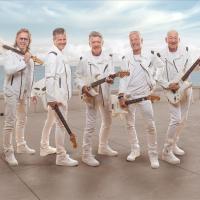
Flamingokvintetten

European
Schlager
Other European Music
 Viberate Rank: 119173
 Viberate Rank: 119173
 Monthly ListenersFollowers
 Subscribers
 Followers
 Followers
 FansTop Spotify Songs
| Track | 7-Day Streams | |
|---|---|---|
1 | 12.95K | |
2 | 12.39K | |
3 | 7.11K | |
4 | 6.19K | |
5 | 5.46K |
Top YouTube VideosMonthly ListenersFeatured in Playlists| Playlist | Followers | |
|---|---|---|
1 |  Dansband! Spotify | 172.17K |
2 |  Det svenska Sjuttiotalet Spotify | 32.09K |
3 |  Dansbandshits 💥 Filtr Legacy Sweden | 19.42K |
4 | Svenska låtar alla kan! ☀️☀️☀️ backenklara <3 | 18.62K |
5 | GAMMALT FJORTIS DUNK Elias Bengtsson | 18.40K |
Audience| City | Monthly Listeners | |
|---|---|---|
1 | | 13.75K |
2 | | 12.20K |
3 | | 6.63K |
4 |  | 2.21K |
5 | | 1.71K |
See full performance history, audience data, playlist activity, rankings, comparisons, and more in Viberate music analytics. Start with a free trial, then continue with a paid plan.
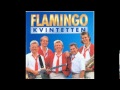
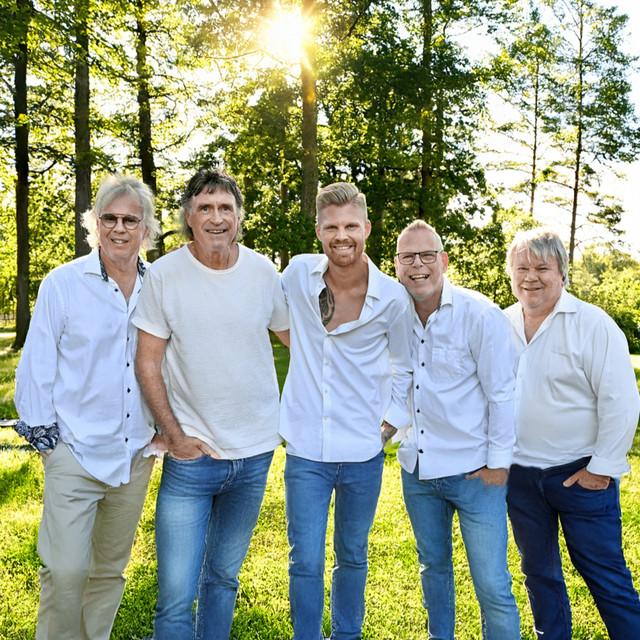
Flamingokvintetten’s Spotify BioFlamingokvintetten is a Swedish dansband whose career spans several decades, beginning in the 1960s and carrying on well into the next century. The band peaked in popularity during the mid- to late '70s and eventually mounted a comeback at the turn of the century with latter-day albums such as the Top Ten hit Bästa! (2008). The band was founded in 1960 in Partille, Sweden, by Hasse Carlsson (vocals), Gunnar Karlsson (guitar), Carl-Mårten Nilsson (guitar), Dennis Janebrink (bass), and Bjarne Lundqvist (drummer). While there were numerous lineup changes over the years, the latter-day lineup that hit the Top Ten with Bästa! is comprised of Carlsson, Janebrink, Douglas Möller (guitar), Stefan Kardebratt (keyboards), and Lars Lindholm (drums). Flamingokvintetten made their full-length album debut in 1967 with Harrli! Harrlå!, followed by a new album practically every year until the mid-'80s, when the band's album output grew erratic. The band peaked in popularity during the mid-'70s with… full-length releases such as Flamingokvintetten 6 (1975) and Flamingokvintetten 7 (1976), which hit numbers one and two respectively on the Swedish albums chart. While the band continued to reach the Top Ten during the late '70s, its popularity declined sharply in the '80s. Despite a vastly diminished fan base, Flamingokvintetten remained more or less active throughout the '80s and '90s, releasing new albums every now and then. They eventually mounted a successful comeback at the turn of the century, when Dacapo (2000) reached the Top 20 and, even more impressively, Bästa! (2008) reached the Top Ten. ~ Jason Birchmeier, Rovi
Viberate is a music analytics platform built for A&Rs, artist managers, labels, booking agents, marketers, and artists.
It helps music professionals track artist growth, analyze audience data, monitor playlist activity, compare artists, follow song performance, and identify opportunities across the music market.
Public artist pages provide a free preview of selected artist data. Paid plans provide access to deeper analytics, historical data, charts, comparisons, playlist tools, exports, alerts, reports, and additional professional features.
Yes. Public Viberate artist pages provide selected artist analytics and music data for free.
Viberate also offers a 7-day free trial of the full platform. A credit card is required to start the trial. The trial includes access to the complete product so users can test deeper artist analytics, historical views, playlist insights, comparisons, charts, exports, alerts, and reporting features before choosing a paid plan.
Viberate provides artist analytics across streaming, playlists, social media, video, radio airplay, songs, and audience markets.
Users can analyze Spotify performance, Spotify and Apple Music playlists, YouTube activity, TikTok and Instagram growth, radio spins, song performance, audience locations, demographics, rankings, and overall artist momentum.
Artist profiles also connect to music charts, similar artists, and comparison tools, helping users benchmark performance and evaluate artists in context.
Viberate updates key artist and track data daily.
For followed artists and tracks, selected data is refreshed multiple times per day. This helps teams monitor playlist changes, streaming movement, audience growth, releases, and campaign performance with more current data.
Update frequency can vary depending on the metric and data source.
Yes. Viberate lets users compare up to five artists side by side across streaming, social media, audience, and engagement metrics.
Users can compare fanbase growth, audience demographics, locations, Spotify performance, social metrics, and other artist data over selected time periods.
Artist comparison can be used for A&R scouting, benchmarking, booking decisions, campaign planning, and evaluating artists with similar audiences or market positions.