Sten & Stanley

Rock
Pop Rock
Other European Music
 Viberate Rank: 121139
 Viberate Rank: 121139
 Monthly ListenersFollowers
 Subscribers
 Followers
 Followers
 FansTop Spotify Songs
| Track | 7-Day Streams | |
|---|---|---|
1 | 31.34K | |
2 | 5.42K | |
3 | 4.80K | |
4 | 4.44K | |
5 | 3.06K |
Top YouTube VideosMonthly ListenersFeatured in Playlists| Playlist | Followers | |
|---|---|---|
1 |  Svenska Favoriter Spotify | 295.92K |
2 |  Dansband! Spotify | 172.17K |
3 |  Svenska låtar alla kan! 🇸🇪 Filtr Sweden | 111.64K |
4 |  Svenska Klassiker 🇸🇪 hits & favoriter Filtr Sweden | 47.37K |
5 |  Det svenska Sjuttiotalet Spotify | 32.09K |
Audience| City | Monthly Listeners | |
|---|---|---|
1 | | 16.36K |
2 | | 13.74K |
3 | | 6.90K |
4 |  | 3.78K |
5 | | 2.29K |
See full performance history, audience data, playlist activity, rankings, comparisons, and more in Viberate music analytics. Start with a free trial, then continue with a paid plan.
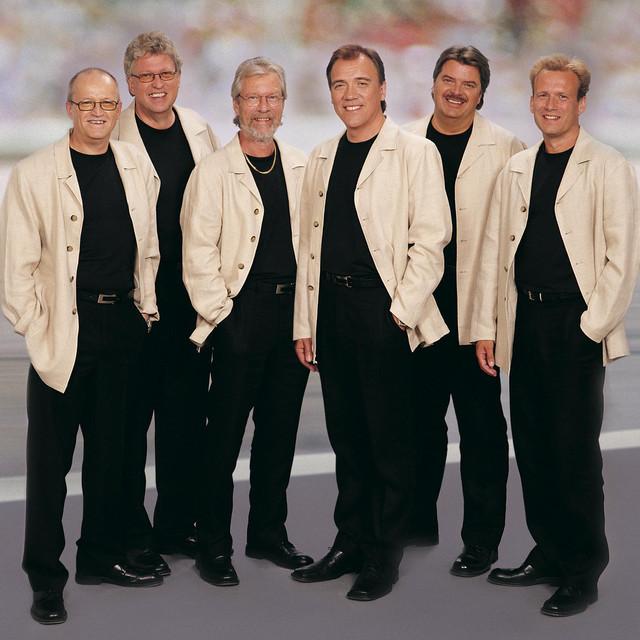
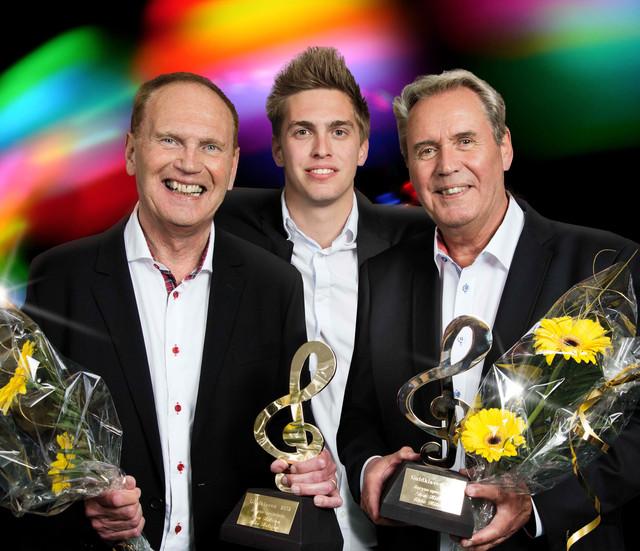
Sten & Stanley’s Spotify BioSten & Stanley are a Swedish dansband whose career spans several decades, beginning in the early '60s and extending well into the next century. The band's post-millennial output was some of its most popular, with albums such as Det Känns När Det Svänger (2008) hitting the Top Ten of the Swedish albums chart. Founded in 1962 in Karlskoga, Sweden, the band was originally comprised of Sten Nilsson (vocals; born on December 19, 1941, in Karlskoga), Stanley Granström (guitar; born on August 9, 1938, in Karlskoga), Per Nilsson (bass; born on November 20, 1936, in Karlskoga), Ebbe Nilsson (organ, piano; born on April 26, 1940, in Karlskoga), and Stig Olsson (drums). In association with Decca, Sten & Stanley made their album debut in 1963 with Guns of Bofors, which is partly comprised of instrumentals. For the remainder of the century, they released a new album more or less annually, switching labels in 1977 from Decca to Scranta. While the popularity of Sten & Stanley fluctuated over the… years, they remained steadily active, not only in the recording studio but also on the performance stage. Latter-day albums such as the Top Ten hits Det Känns När Det Svänger (2008) and Allsånger På Vårt Sätt (2009) were among the band's most successful. ~ Jason Birchmeier, Rovi
Viberate is a music analytics platform built for A&Rs, artist managers, labels, booking agents, marketers, and artists.
It helps music professionals track artist growth, analyze audience data, monitor playlist activity, compare artists, follow song performance, and identify opportunities across the music market.
Public artist pages provide a free preview of selected artist data. Paid plans provide access to deeper analytics, historical data, charts, comparisons, playlist tools, exports, alerts, reports, and additional professional features.
Yes. Public Viberate artist pages provide selected artist analytics and music data for free.
Viberate also offers a 7-day free trial of the full platform. A credit card is required to start the trial. The trial includes access to the complete product so users can test deeper artist analytics, historical views, playlist insights, comparisons, charts, exports, alerts, and reporting features before choosing a paid plan.
Viberate provides artist analytics across streaming, playlists, social media, video, radio airplay, songs, and audience markets.
Users can analyze Spotify performance, Spotify and Apple Music playlists, YouTube activity, TikTok and Instagram growth, radio spins, song performance, audience locations, demographics, rankings, and overall artist momentum.
Artist profiles also connect to music charts, similar artists, and comparison tools, helping users benchmark performance and evaluate artists in context.
Viberate updates key artist and track data daily.
For followed artists and tracks, selected data is refreshed multiple times per day. This helps teams monitor playlist changes, streaming movement, audience growth, releases, and campaign performance with more current data.
Update frequency can vary depending on the metric and data source.
Yes. Viberate lets users compare up to five artists side by side across streaming, social media, audience, and engagement metrics.
Users can compare fanbase growth, audience demographics, locations, Spotify performance, social metrics, and other artist data over selected time periods.
Artist comparison can be used for A&R scouting, benchmarking, booking decisions, campaign planning, and evaluating artists with similar audiences or market positions.