The Working Title

Rock
Indie Rock
Punk Rock
Pop Punk
 Viberate Rank: 479302
 Viberate Rank: 479302
 Monthly ListenersFollowers
 Subscribers
 Followers
 Followers
 FansTop Spotify Songs
| Track | 7-Day Streams | |
|---|---|---|
1 | 386 | |
2 | 103 | |
3 | 51 | |
4 | 49 | |
5 | 34 |
Top YouTube Videos| Video | 7-Day Views | |
|---|---|---|
1 | 30 |
Monthly ListenersFeatured in Playlists| Playlist | Followers | |
|---|---|---|
1 |  American Pie soundtracks Dan Lewis | 17.90K |
2 | Skylar00 | 12.79K |
3 | 2000’s Emo Nostalgia Cohvey | 10.68K |
4 | 90s, 2000s Rock, Alt Rock, Grunge Hunter Bickford | 4.50K |
5 | Revision Playlist Adrienne Hudson | 4.20K |
Audience| City | Monthly Listeners | |
|---|---|---|
1 | | 32 |
2 | | 26 |
3 | | 23 |
4 | | 21 |
5 |  | 18 |
See full performance history, audience data, playlist activity, rankings, comparisons, and more in Viberate music analytics. Start with a free trial, then continue with a paid plan.
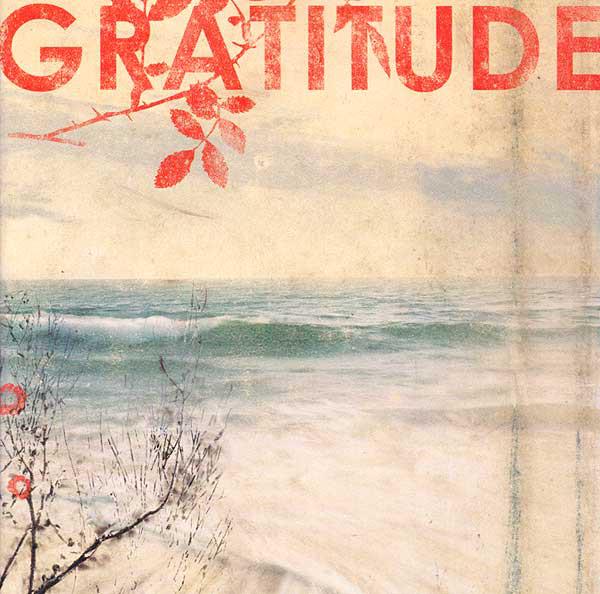
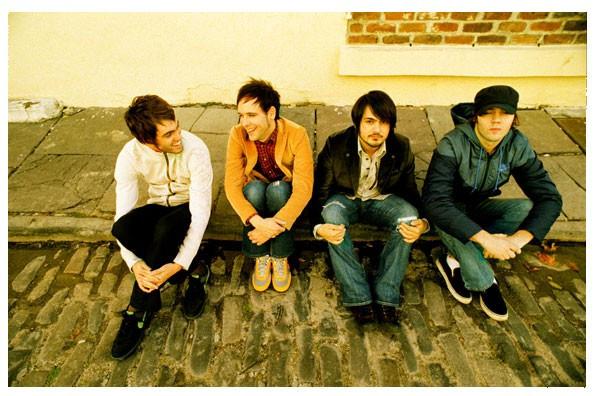
The Working Title’s Spotify BioMost of the members of the alternative pop/rock outfit the Working Title were originally friends from high school days in Charleston, SC. Playing in various bands around town, it wasn't until 2001 that the four friends came together as one cohesive unit to create introspective indie rock that, while sonically similar to bands like Switchfoot, draws influence ranging from underground punk to the Counting Crows to Kid Dynamite. Within six months of forming, the band -- Joel Hamilton (vocals/guitar/piano), Adam Pavao (guitar), Chris Ginn (bass), and Ross Taylor (percussion/drums) -- self-released and self-produced their debut effort, Sincerely, and independently sold a few thousand copies around their hometown. Universal's Kevin Law took notice, and the Working Title soon became the first band signed to his Universal imprint, Cause for Alarm. The seven-song Everyone Here Is Wrong EP was issued in late 2003, and the band's subsequent tour schedule included shows with Mae, mewithoutYou, Swi…tchfoot, and Our Lady Peace, along with various Warped Tour dates. Their debut record, About-Face, appeared in summer 2006, as the guys opened a month of shows on the Goo Goo Dolls and Counting Crows' joint tour. ~ Corey Apar, Rovi
Viberate is a music analytics platform built for A&Rs, artist managers, labels, booking agents, marketers, and artists.
It helps music professionals track artist growth, analyze audience data, monitor playlist activity, compare artists, follow song performance, and identify opportunities across the music market.
Public artist pages provide a free preview of selected artist data. Paid plans provide access to deeper analytics, historical data, charts, comparisons, playlist tools, exports, alerts, reports, and additional professional features.
Yes. Public Viberate artist pages provide selected artist analytics and music data for free.
Viberate also offers a 7-day free trial of the full platform. A credit card is required to start the trial. The trial includes access to the complete product so users can test deeper artist analytics, historical views, playlist insights, comparisons, charts, exports, alerts, and reporting features before choosing a paid plan.
Viberate provides artist analytics across streaming, playlists, social media, video, radio airplay, songs, and audience markets.
Users can analyze Spotify performance, Spotify and Apple Music playlists, YouTube activity, TikTok and Instagram growth, radio spins, song performance, audience locations, demographics, rankings, and overall artist momentum.
Artist profiles also connect to music charts, similar artists, and comparison tools, helping users benchmark performance and evaluate artists in context.
Viberate updates key artist and track data daily.
For followed artists and tracks, selected data is refreshed multiple times per day. This helps teams monitor playlist changes, streaming movement, audience growth, releases, and campaign performance with more current data.
Update frequency can vary depending on the metric and data source.
Yes. Viberate lets users compare up to five artists side by side across streaming, social media, audience, and engagement metrics.
Users can compare fanbase growth, audience demographics, locations, Spotify performance, social metrics, and other artist data over selected time periods.
Artist comparison can be used for A&R scouting, benchmarking, booking decisions, campaign planning, and evaluating artists with similar audiences or market positions.