John Ralston

Rock
Indie Rock
Alternative Rock
 Viberate Rank: 617588
 Viberate Rank: 617588
 Monthly ListenersFollowers
 Subscribers
 Followers
 Followers
 FansTop Spotify Songs
| Track | 7-Day Streams | |
|---|---|---|
1 | 186 | |
2 | 166 | |
3 | 42 | |
4 | 29 | |
5 | 28 |
Top YouTube VideosMonthly ListenersFeatured in Playlists| Playlist | Followers | |
|---|---|---|
1 | Gossip Girl (s1-6) Soundtrack Ashley Simoneaux | 68.75K |
2 |  Gossip girl (all songs) camila | 25.13K |
3 |  GOSSIP GIRL COMPLETE PLAYLIST maddie | 17.66K |
4 | Gossip Girl Soundtrack Becca Booker | 6.94K |
5 | Daphne Wittenberg | 6.89K |
Audience| City | Monthly Listeners | |
|---|---|---|
1 | | 19 |
2 | | 18 |
3 | | 12 |
4 | | 12 |
5 | | 11 |
See full performance history, audience data, playlist activity, rankings, comparisons, and more in Viberate music analytics. Start with a free trial, then continue with a paid plan.
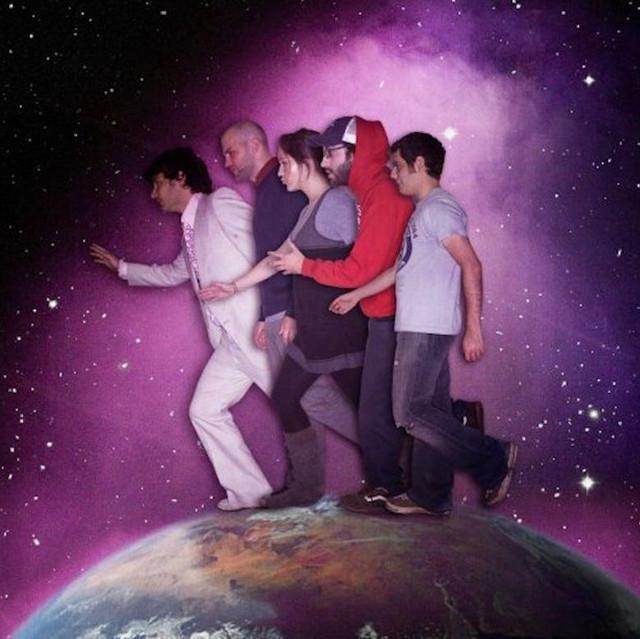
John Ralston’s Spotify BioJohn Ralston is a songwriter/producer living in the lush wastelands of sunny South Florida. In 2006, Needle Bed was recorded in the span of a week in Knoxville by Michael Seaman with Jeff Snow on drums. The debut was eventually picked up by Vagrant Records. Of the album, the Miami Herald wrote that it "recalls Brian Wilson’s manic-depressive songs for the Beach Boys, or Nick Drake- if he had fronted the Beatles.” Harp magazine likened the album to “Brian Wilson’s teenage basement demos to God,” and Alternative Press said "Needle Bed channels the spirit of late Townes Van Zandt to create a piece of reflective folk-rock nouveau." Intending to track overdubs, John instead spent time at Pieholden in Chicago with the late Jay Bennett recording what would be another full length record. Vagrant then released the sonic masterpiece "Sorry Vampire" in 2008 (recorded by Micheal Seaman, mixed by Charles Dye, produced by J. Phillip Wilkins) and the White Spiders EP prior to a stint in the UK.… Post-Vagrant records breakup, John collaborated with David Vandervelde who produced the album "Shadows of the Summertime", recorded by Michael Seaman over the course of two weeklong stays in New Orleans. John has gone on to self-record and independently release three LPs since 2017: "IV" (recorded primarily on 4-track cassette), Turn Eternal, and Moon Feathers. Here in 2024, John is set to release his 7th proper full length LP "The Lawns of Dawn", recorded with jazz drummer Deric Dickens.
Viberate is a music analytics platform built for A&Rs, artist managers, labels, booking agents, marketers, and artists.
It helps music professionals track artist growth, analyze audience data, monitor playlist activity, compare artists, follow song performance, and identify opportunities across the music market.
Public artist pages provide a free preview of selected artist data. Paid plans provide access to deeper analytics, historical data, charts, comparisons, playlist tools, exports, alerts, reports, and additional professional features.
Yes. Public Viberate artist pages provide selected artist analytics and music data for free.
Viberate also offers a 7-day free trial of the full platform. A credit card is required to start the trial. The trial includes access to the complete product so users can test deeper artist analytics, historical views, playlist insights, comparisons, charts, exports, alerts, and reporting features before choosing a paid plan.
Viberate provides artist analytics across streaming, playlists, social media, video, radio airplay, songs, and audience markets.
Users can analyze Spotify performance, Spotify and Apple Music playlists, YouTube activity, TikTok and Instagram growth, radio spins, song performance, audience locations, demographics, rankings, and overall artist momentum.
Artist profiles also connect to music charts, similar artists, and comparison tools, helping users benchmark performance and evaluate artists in context.
Viberate updates key artist and track data daily.
For followed artists and tracks, selected data is refreshed multiple times per day. This helps teams monitor playlist changes, streaming movement, audience growth, releases, and campaign performance with more current data.
Update frequency can vary depending on the metric and data source.
Yes. Viberate lets users compare up to five artists side by side across streaming, social media, audience, and engagement metrics.
Users can compare fanbase growth, audience demographics, locations, Spotify performance, social metrics, and other artist data over selected time periods.
Artist comparison can be used for A&R scouting, benchmarking, booking decisions, campaign planning, and evaluating artists with similar audiences or market positions.