The Bluetones

Rock
Pop Rock
Alternative Rock
 Viberate Rank: 66305
 Viberate Rank: 66305
 Monthly ListenersFollowers
 Subscribers
 Followers
 Followers
 FansTop Spotify Songs
| Track | 7-Day Streams | |
|---|---|---|
1 | 70.48K | |
2 | 14.18K | |
3 | 13.97K | |
4 | 10.27K | |
5 | 9.20K |
Top YouTube VideosMonthly ListenersFeatured in Playlists| Playlist | Followers | |
|---|---|---|
1 |  Britpop, Etc. Spotify | 666.13K |
2 |  BRITPOP: 100 best songs Juan Ceñal | 70.71K |
3 |  90s BritPop + British Rock Marcus Beaumont | 64.70K |
4 | probably the best indie playlist ever Jason Williams | 61.78K |
5 |  Now 1 - 114 (1983 - 2023) Now That's What I Call Music 1 - 114 abundantmusic | 56.69K |
Audience| City | Monthly Listeners | |
|---|---|---|
1 | | 19.68K |
2 | | 13.12K |
3 | | 7.08K |
4 | | 5.78K |
5 |  | 2.62K |
See full performance history, audience data, playlist activity, rankings, comparisons, and more in Viberate music analytics. Start with a free trial, then continue with a paid plan.
The Bluetones’ Spotify BioThe Bluetones filled the gap that the Stone Roses left behind, providing graceful but muscular guitar pop with slightly psychedelic overtones. They appeared during the waning days of Brit-pop, which guaranteed them a considerable amount of press coverage that helped their debut album rocket to the top of the charts upon its release in early 1996.
Originally called the Bottlegarden, the Bluetones formed in Hounslow, England in 1994. The group consisted of guitarist Adam Devlin, drummer Eds Chester, vocalist Mark Morriss, and his brother Scott, who played bass. All of the members had previously played in local bands before forming the Bluetones. During 1995, the group released two singles on its Superior Quality Recordings label, "Are You Blue or Are You Blind?" and "Bluetonic," which received positive reviews in the British music weeklies. By the fall of 1995, they were being touted as the next big thing in Brit-pop, since their sound fell halfway between the Stone Roses and Oasis. Early… in 1996, the Bluetones released "Slight Return," which shot to number two a month before their debut album, Expecting to Fly, was released. Expecting to Fly was greeted with mixed reviews, but it debuted at number one on the British charts and became a sizable hit.
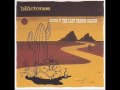
Despite their British success, the Bluetones had trouble breaking through in America. Furthermore, they were the subject of a quick backlash, as many critics believed the group embodied the conservatism of Brit-pop -- the non-LP single "Marblehead Johnson" was welcomed coolly upon its fall release, and it only dented the charts. During early 1997, the Bluetones began working on their second album, Return to the Last Chance Saloon; Science & Nature followed in mid-2000. A collection of singles, aptly titled The Singles, followed in the spring of 2002, and 2004 brought Luxembourg. ~ Stephen Thomas Erlewine, Rovi
Viberate is a music analytics platform built for A&Rs, artist managers, labels, booking agents, marketers, and artists.
It helps music professionals track artist growth, analyze audience data, monitor playlist activity, compare artists, follow song performance, and identify opportunities across the music market.
Public artist pages provide a free preview of selected artist data. Paid plans provide access to deeper analytics, historical data, charts, comparisons, playlist tools, exports, alerts, reports, and additional professional features.
Yes. Public Viberate artist pages provide selected artist analytics and music data for free.
Viberate also offers a 7-day free trial of the full platform. A credit card is required to start the trial. The trial includes access to the complete product so users can test deeper artist analytics, historical views, playlist insights, comparisons, charts, exports, alerts, and reporting features before choosing a paid plan.
Viberate provides artist analytics across streaming, playlists, social media, video, radio airplay, songs, and audience markets.
Users can analyze Spotify performance, Spotify and Apple Music playlists, YouTube activity, TikTok and Instagram growth, radio spins, song performance, audience locations, demographics, rankings, and overall artist momentum.
Artist profiles also connect to music charts, similar artists, and comparison tools, helping users benchmark performance and evaluate artists in context.
Viberate updates key artist and track data daily.
For followed artists and tracks, selected data is refreshed multiple times per day. This helps teams monitor playlist changes, streaming movement, audience growth, releases, and campaign performance with more current data.
Update frequency can vary depending on the metric and data source.
Yes. Viberate lets users compare up to five artists side by side across streaming, social media, audience, and engagement metrics.
Users can compare fanbase growth, audience demographics, locations, Spotify performance, social metrics, and other artist data over selected time periods.
Artist comparison can be used for A&R scouting, benchmarking, booking decisions, campaign planning, and evaluating artists with similar audiences or market positions.