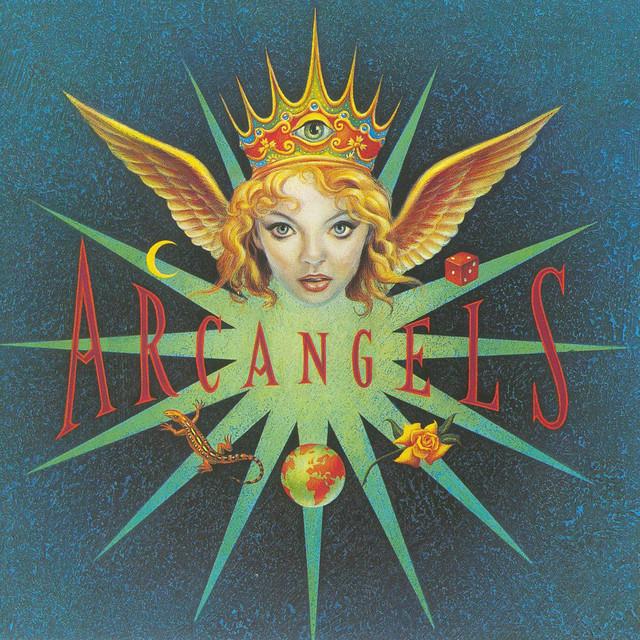
The Why Store

Rock
Pop Rock
 Viberate Rank: 257153
 Viberate Rank: 257153
 Monthly ListenersFollowers
 Subscribers
 Followers
 Followers
 FansTop Spotify Songs
| Track | 7-Day Streams | |
|---|---|---|
1 | 4.96K | |
2 | 919 | |
3 | 793 | |
4 | 684 | |
5 | 422 |
Top YouTube VideosMonthly ListenersFeatured in Playlists| Playlist | Followers | |
|---|---|---|
1 | PCC Goodness anna_leon | 8.09K |
2 |  Ultimate Party Mix – All Genres (500+ Hours) Void | 7.37K |
3 |  90s Road Trip Carefully Curated. | 6.14K |
4 | Karl's Porch Jams karltfm | 5.75K |
5 |  Obscure Rare And Forgotten 90's Alternative, Rock, Metal, And Grunge Deep Cuts Rick Plant | 5.01K |
Audience| City | Monthly Listeners | |
|---|---|---|
1 | | 643 |
2 | | 551 |
3 | | 277 |
4 | | 254 |
5 | | 239 |
See full performance history, audience data, playlist activity, rankings, comparisons, and more in Viberate music analytics. Start with a free trial, then continue with a paid plan.
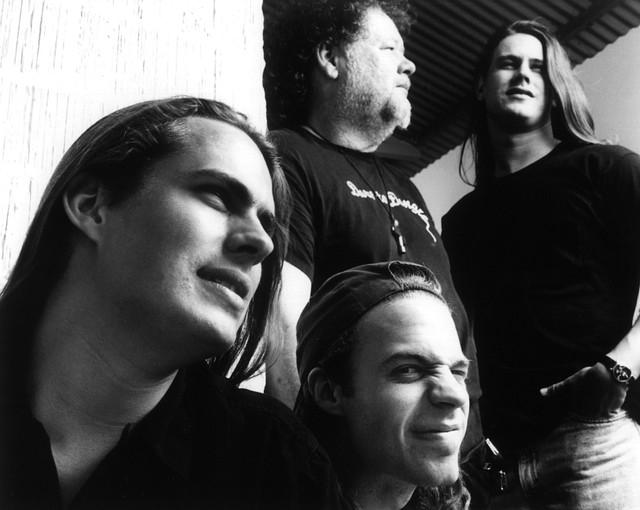
The Why Store’s Spotify BioAlternative groove-popsters Why Store trace their origins to Muncie, Indiana's Ball State University, where vocalist/guitarists Chris Shaffer and Michael David Smith met up with Greg Gardner (then a drummer, later the bass player). After playing a few gigs as Emerald City, the trio recruited drummer Charlie Bushor and began playing around the area. In 1993, the band recorded Welcome to the Why Store for Blee-Hee-Hee Records and followed one year later with Inside the Why Store. Longtime keyboard player Jeff Pedersen was made an official member of the group, and the Why Store signed to MCA's Way Cool Music subsidiary for their first major-label effort, a self-titled LP released in 1996. The single "Lack of Water" did well on alternative radio, and the band released Two Beasts in June 1998, following it a year later with the double-disc concert set Live at Midnight. ~ John Bush, Rovi
Viberate is a music analytics platform built for A&Rs, artist managers, labels, booking agents, marketers, and artists.
It helps music professionals track artist growth, analyze audience data, monitor playlist activity, compare artists, follow song performance, and identify opportunities across the music market.
Public artist pages provide a free preview of selected artist data. Paid plans provide access to deeper analytics, historical data, charts, comparisons, playlist tools, exports, alerts, reports, and additional professional features.
Yes. Public Viberate artist pages provide selected artist analytics and music data for free.
Viberate also offers a 7-day free trial of the full platform. A credit card is required to start the trial. The trial includes access to the complete product so users can test deeper artist analytics, historical views, playlist insights, comparisons, charts, exports, alerts, and reporting features before choosing a paid plan.
Viberate provides artist analytics across streaming, playlists, social media, video, radio airplay, songs, and audience markets.
Users can analyze Spotify performance, Spotify and Apple Music playlists, YouTube activity, TikTok and Instagram growth, radio spins, song performance, audience locations, demographics, rankings, and overall artist momentum.
Artist profiles also connect to music charts, similar artists, and comparison tools, helping users benchmark performance and evaluate artists in context.
Viberate updates key artist and track data daily.
For followed artists and tracks, selected data is refreshed multiple times per day. This helps teams monitor playlist changes, streaming movement, audience growth, releases, and campaign performance with more current data.
Update frequency can vary depending on the metric and data source.
Yes. Viberate lets users compare up to five artists side by side across streaming, social media, audience, and engagement metrics.
Users can compare fanbase growth, audience demographics, locations, Spotify performance, social metrics, and other artist data over selected time periods.
Artist comparison can be used for A&R scouting, benchmarking, booking decisions, campaign planning, and evaluating artists with similar audiences or market positions.