The Walker Brothers

Pop
Mainstream Pop
Progressive Rock
 Viberate Rank: 57863
 Viberate Rank: 57863
 Monthly ListenersFollowers
 Subscribers
 Followers
 Followers
 FansTop Spotify Songs
| Track | 7-Day Streams | |
|---|---|---|
1 | 44.72K | |
2 | 15.54K | |
3 | 14.15K | |
4 | 3.93K | |
5 | 3.19K |
Top YouTube Videos| Video | 7-Day Views | |
|---|---|---|
1 | 9.66K | |
2 | 5.81K | |
3 | 3.92K | |
4 | 2.77K | |
5 | 1.30K |
Monthly ListenersFeatured in Playlists| Playlist | Followers | |
|---|---|---|
1 |  Fidi & Bumsi Spotify | 353.23K |
2 |  70s Hits Filtr Sweden | 130.18K |
3 |  Baroque Pop Spotify | 120.31K |
4 |  Vintage & Retro | Soul • Blues • Rock • Classic Vibes • Throwback Pop • Modern Oldies Retro Tones | 86.99K |
5 |  Floss' Dreamy Bops florencegiven | 68.61K |
Audience| City | Monthly Listeners | |
|---|---|---|
1 |  | 6.62K |
2 |  | 3.33K |
3 | | 3.31K |
4 | | 3.25K |
5 | | 2.20K |
See full performance history, audience data, playlist activity, rankings, comparisons, and more in Viberate music analytics. Start with a free trial, then continue with a paid plan.
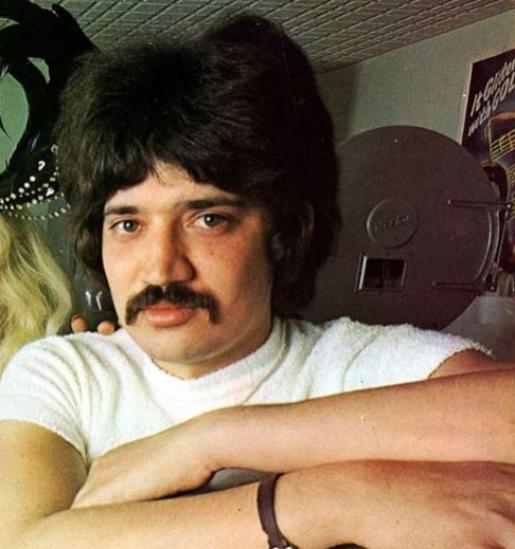
The Walker Brothers’ Spotify BioThey weren't British, they weren't brothers, and their real names weren't Walker, but Californians Scott Engel, John Maus, and Gary Leeds were briefly huge stars in England (and small ones in their native land) at the peak of the British Invasion. Engel and Maus were playing together in Hollywood when drummer Leeds suggested they form a trio and try to make it in England. And they did -- with surprising swiftness, they hit the top of the British charts with "Make It Easy on Yourself" in 1965. "The Sun Ain't Gonna Shine Anymore" repeated the feat the following year, and the group also had U.K. hits with "My Ship Is Coming In," "(Baby) You Don't Have to Tell Me," "Another Tear Falls," and others. For a few months they experienced frenzied adulation almost on the level of the Beatles and the Stones, though in the U.S. (where they rarely performed) only "Make It Easy on Yourself" and "The Sun Ain't Gonna Shine Anymore" entered the Top 20.
While the Walkers looked the part of British… Invaders with their shaggy mop-top hairstyles, they were far more pop than rock. Nor did they play on most of their records. With producer Johnny Franz and veteran British arrangers like Ivor Raymonde (who also worked with Dusty Springfield) and Reg Guest, they favored orchestrated ballads that were a studied attempt to emulate the success of another brother act who weren't really brothers: the Righteous Brothers. Not as soulful as the Righteous Brothers, lead singer Scott Walker's deep croon betrayed strong debts to non-rock vocalists like Tony Bennett and Frank Sinatra. While their biggest hits were covers of songs by American pop songwriting teams like Bacharach-David and Mann-Weil, Scott (and occasionally John Walker) could write brooding originals in a more personal, less overblown style when given the chance.
In the intensely competitive days of 1967, the Walkers' brand of pop suddenly become passé, and the group disbanded in the face of diminishing success and Scott's increasingly fruitful solo career. Scott ran off a series of Top Ten British solo albums in the late '60s, which have attracted a sizable cult with their idiosyncratic marriage of Scott's brooding, insular songs and ornate orchestral arrangements. Gary Walker released a few singles and an album with his group the Rain in a much harder-rocking guitar-oriented format. The Walkers reunited for a while in the mid-'70s, which produced a final British hit ("No Regrets"). Much of the Walkers' story is retold in the biography Scott Walker: A Deep Shade of Blue, published only in Britain. ~ Richie Unterberger, Rovi
Viberate is a music analytics platform built for A&Rs, artist managers, labels, booking agents, marketers, and artists.
It helps music professionals track artist growth, analyze audience data, monitor playlist activity, compare artists, follow song performance, and identify opportunities across the music market.
Public artist pages provide a free preview of selected artist data. Paid plans provide access to deeper analytics, historical data, charts, comparisons, playlist tools, exports, alerts, reports, and additional professional features.
Yes. Public Viberate artist pages provide selected artist analytics and music data for free.
Viberate also offers a 7-day free trial of the full platform. A credit card is required to start the trial. The trial includes access to the complete product so users can test deeper artist analytics, historical views, playlist insights, comparisons, charts, exports, alerts, and reporting features before choosing a paid plan.
Viberate provides artist analytics across streaming, playlists, social media, video, radio airplay, songs, and audience markets.
Users can analyze Spotify performance, Spotify and Apple Music playlists, YouTube activity, TikTok and Instagram growth, radio spins, song performance, audience locations, demographics, rankings, and overall artist momentum.
Artist profiles also connect to music charts, similar artists, and comparison tools, helping users benchmark performance and evaluate artists in context.
Viberate updates key artist and track data daily.
For followed artists and tracks, selected data is refreshed multiple times per day. This helps teams monitor playlist changes, streaming movement, audience growth, releases, and campaign performance with more current data.
Update frequency can vary depending on the metric and data source.
Yes. Viberate lets users compare up to five artists side by side across streaming, social media, audience, and engagement metrics.
Users can compare fanbase growth, audience demographics, locations, Spotify performance, social metrics, and other artist data over selected time periods.
Artist comparison can be used for A&R scouting, benchmarking, booking decisions, campaign planning, and evaluating artists with similar audiences or market positions.